Did Kerala Local Body Poll Results Undermine CM Vijayan's Third LDF Term Ambitions?
Synopsis
The recent Kerala local body elections have posed a challenge to CM Pinarayi Vijayan's ambitions for a third LDF term, revealing a surge in support for the Congress-led UDF and unexpected gains for the BJP. What does this mean for Kerala's political future?
Key Takeaways
The UDF has gained a significant lead in the local body elections.
The BJP's unexpected gains may alter Kerala's political dynamics.
Voter sentiment appears to be shifting, impacting established party strongholds.
Key issues during the campaign included governance performance and local cost of living.
Controversies surrounding Sabarimala affected the LDF's campaign negatively.
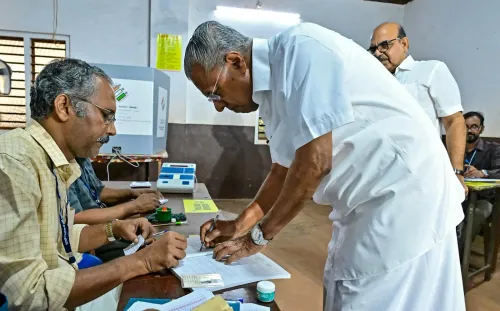
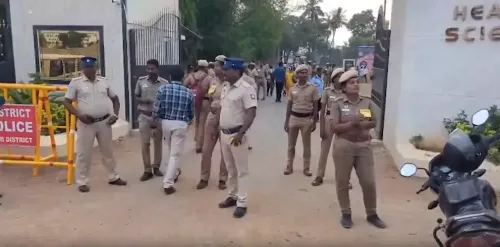
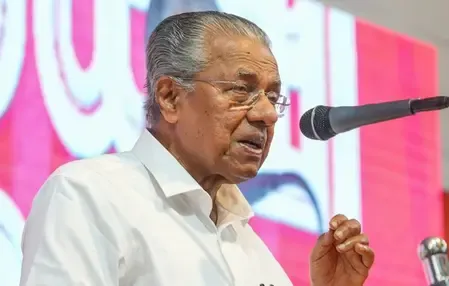
Thiruvananthapuram, Dec 13 (NationPress) Recent trends from the Kerala local body elections have posed a significant challenge to the Left Democratic Front's hopes of clinching a third consecutive term under Chief Minister Pinarayi Vijayan.
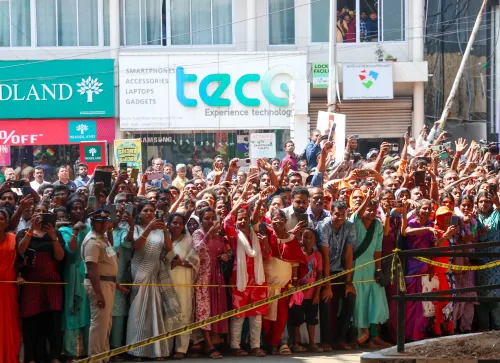
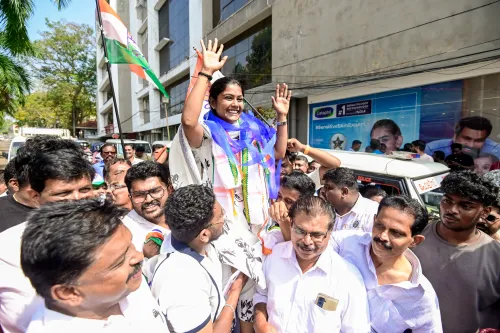
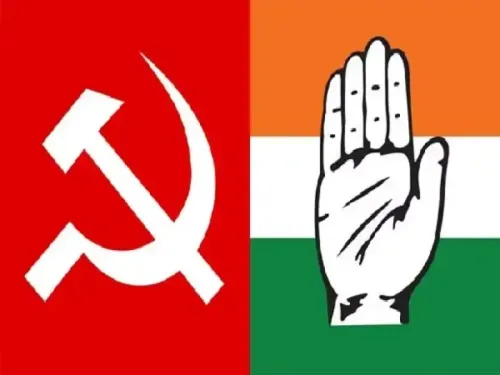
From Kasaragod to Thiruvananthapuram, the signs indicate a notable resurgence of the Congress-led UDF, while the BJP-led NDA has strengthened its position, altering the political landscape of Kerala. Across all levels—three-tier panchayats, municipalities, and corporations—the UDF seems to hold a commanding lead.
As per the latest statistics from the State Election Commission, the UDF is leading in 441 out of 941 gram panchayats, while the LDF has a presence in 372. In block panchayats, the UDF has captured 80 seats, in contrast to the LDF’s 63. The competition in district panchayats is evenly matched at 7 for each.
Notably, in several regions where the LDF had previously dominated, the UDF has made a robust comeback this time.
The election results have also yielded unexpected victories for the BJP. The party is nearing a win in the Thiruvananthapuram Corporation, has retained control of the Palakkad municipality, and expanded its presence across various panchayats.
The NDA is currently leading in 27 panchayats and 2 municipalities, highlighting its increasing role in local governance.
The setback for the LDF comes as a surprise, especially considering their campaign centered around governance successes, with Chief Minister Pinarayi Vijayan as the central figure. Initiatives such as pension increases and women’s security pensions were highlighted as key campaign issues.
The LDF had also anticipated that controversies surrounding the UDF, including the Congress MLA Rahul Mamkootathil matter, would favor them. However, initial evaluations indicate that controversies related to Sabarimala and a broader anti-incumbency sentiment were detrimental.
The extent of the reversal is noteworthy, considering the party’s own expectations of gains in the local body elections. Conversely, the UDF focused on issues like Sabarimala, alleged governance failures, increasing service fees in local bodies, and rising costs of living. Their strategy of countering criticisms by spotlighting the Sabarimala gold smuggling controversy seems to have resonated with voters.
Meanwhile, the BJP has surpassed expectations. While gains in Thiruvananthapuram Corporation were anticipated, the results indicate a stronger performance than expected, positioning the party as the single largest faction in the capital and consolidating its influence across multiple panchayats, municipalities, and corporations.
The BJP’s rise in regions such as Kollam Corporation and Alappuzha is significant enough to potentially reshape the State’s political dynamics.
Point of View
The recent local body elections in Kerala reveal a shifting political landscape. With the UDF's resurgence and the BJP's unexpected gains, the dynamics in Kerala's governance may be poised for significant changes. This reflects a broader trend in voter sentiment that could reshape political strategies across the country.
NationPress
29 Sept 2026
Frequently Asked Questions
What are the implications of the local body poll results for CM Vijayan?
The results present a significant challenge to CM Vijayan's administration, indicating a potential shift in voter sentiment and governance expectations in Kerala.
How did the UDF perform in the recent elections?
The UDF showed a strong performance, leading in a majority of gram panchayats and block panchayats, marking a notable comeback in areas previously dominated by the LDF.
What was the BJP's performance in the local body elections?
The BJP exceeded expectations, emerging as a significant player in the Thiruvananthapuram Corporation and expanding its presence in various local governance structures.
What were the key issues during the election campaign?
Key issues included governance achievements, pension increases, Sabarimala controversies, and rising service fees which influenced voter decisions.
What does this election result mean for Kerala's political landscape?
The election outcomes suggest a shifting political landscape in Kerala, with potential implications for future governance and party strategies.