ONGC Commissions Gas Evacuation Facilities at Khoraghat GGS-1, Golaghat
Synopsis
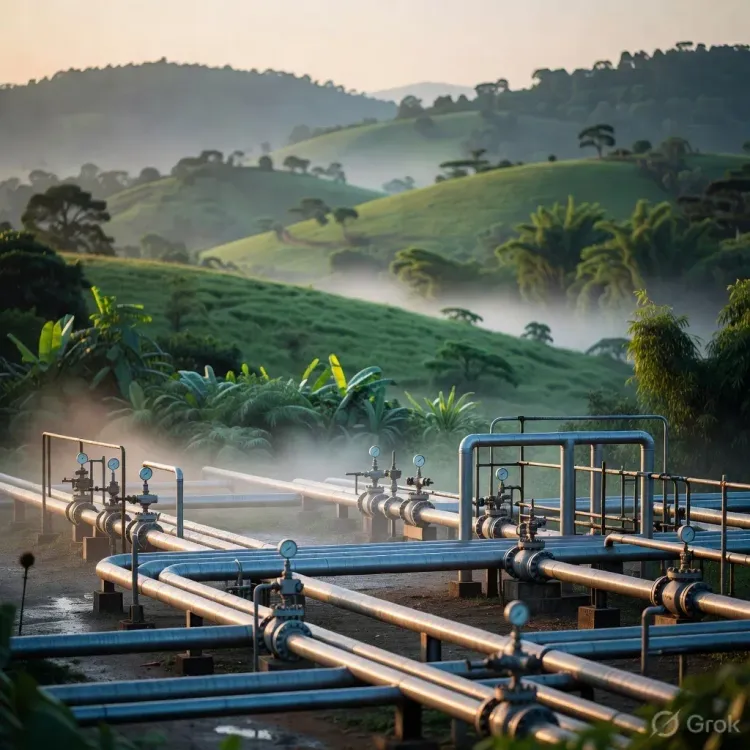
ONGC has successfully commissioned gas evacuation facilities at Khoraghat GGS-1 in Golaghat, Assam, enabling the collection and onward movement of associated natural gas from the Upper Assam basin as part of India's push to expand domestic gas output and reduce import dependence.
Key Takeaways
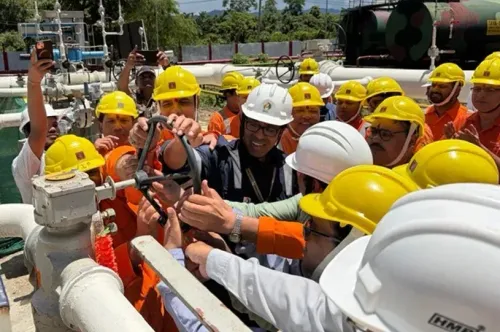
ONGC has successfully commissioned gas evacuation facilities at Khoraghat GGS-1 in Golaghat, Assam .
The Gas Gathering Station infrastructure enables collection and onward movement of associated natural gas from oil-producing wells in the Upper Assam basin .
Golaghat district has a history of ONGC oil and gas operations stretching back to the mid-20th century.
The project aligns with India's broader push to expand domestic natural gas supply and reduce import dependence.
The Chief Minister's Office of Assam highlighted the commissioning on August 19, 2026 .
Actual gas volumes delivered from the new facilities will determine the project's real-world impact on regional energy output.
A new chapter in Assam's long hydrocarbon story opened at Khoraghat GGS-1 in Golaghat district as Oil and Natural Gas Corporation (ONGC) successfully commissioned gas evacuation facilities at the site — a step that puts more domestic natural gas into India's energy pipeline from the northeast's oil-bearing heartland. The Chief Minister's Office of Assam shared the development on Wednesday, August 19, 2026.
What Khoraghat GGS-1 means for Assam's gas output
A Gas Gathering Station, or GGS, is the first critical link in the monetisation chain for associated gas — the natural gas that emerges alongside crude oil from producing wells. Without evacuation infrastructure at the GGS level, that gas is either flared or lost. Commissioning these facilities at Khoraghat GGS-1 means gas that was previously stranded can now be collected, processed, and moved to consumers or the grid.
Golaghat sits in the Upper Assam basin, a region with oil and gas operations stretching back to the mid-20th century. ONGC has maintained a significant footprint here since the corporation's founding in 1956, systematically developing the onshore hydrocarbon resources that India's northeast is historically known for.
Northeast gas and India's energy security push
The Khoraghat project slots into a broader national drive to expand domestic natural gas production and cut import dependence. India has consistently pushed to monetise associated gas from existing onshore fields — particularly in Assam — as part of its energy security agenda and its push toward cleaner fuels over coal and oil.
For Golaghat's local economy, active ONGC infrastructure means sustained employment and ancillary economic activity in a district where hydrocarbons have shaped livelihoods for generations. The commissioning also signals that ONGC continues to invest in upgrading legacy field infrastructure rather than letting mature assets stagnate.
What to watch next
The immediate metric that will define this project's real impact is the volume of gas actually evacuated and delivered once the facilities ramp up. Follow-on announcements on similar upgrades at other Assam fields would indicate whether Khoraghat GGS-1 is a one-off or the first in a systematic sweep of northeast gas infrastructure.
India's largest state-owned upstream explorer has just turned associated gas from a liability into an asset at one more Assam field. The northeast's hydrocarbon legacy, it turns out, still has plenty left to give.
Point of View
Where ONGC's presence has defined the economy of entire districts since the 1950s, infrastructure upgrades like this signal continued federal investment in the northeast's hydrocarbon legacy. The Chief Minister's Office amplifying an ONGC operational milestone also reflects a political incentive: associating the state government with visible energy-sector progress ahead of ongoing development narratives. The real test will be whether actual gas volumes delivered justify the infrastructure spend and whether similar upgrades follow at other Assam GGS sites.
NationPress
19 Aug 2026
Frequently Asked Questions
What is Khoraghat GGS-1 in Assam?
Khoraghat GGS-1 is a Gas Gathering Station operated by ONGC in Golaghat district, Assam, used to collect and process associated natural gas from nearby oil-producing wells in the Upper Assam basin.
What does ONGC's gas evacuation facility commissioning mean?
It means associated gas that previously could not be captured from oil wells at Khoraghat can now be collected, processed, and supplied to consumers or the gas grid, reducing flaring and boosting domestic gas output.
Where is Golaghat district in Assam?
Golaghat is a district in eastern Assam in northeastern India, situated within the Upper Assam basin, a region with oil and gas operations dating back to the mid-20th century.
What is ONGC's role in Assam's oil and gas sector?
ONGC, India's largest state-owned upstream energy company established in 1956, has been the primary operator of onshore oil and gas exploration and production across the Upper Assam basin for decades.
How does the Khoraghat project fit India's energy security goals?
It is part of India's national push to monetise associated gas from existing onshore fields in the northeast, reducing dependence on imported gas and supporting the country's transition toward cleaner fuel sources.