Owaisi Announces AIMIM's First UP Ticket Ahead of 2027 Polls
Synopsis
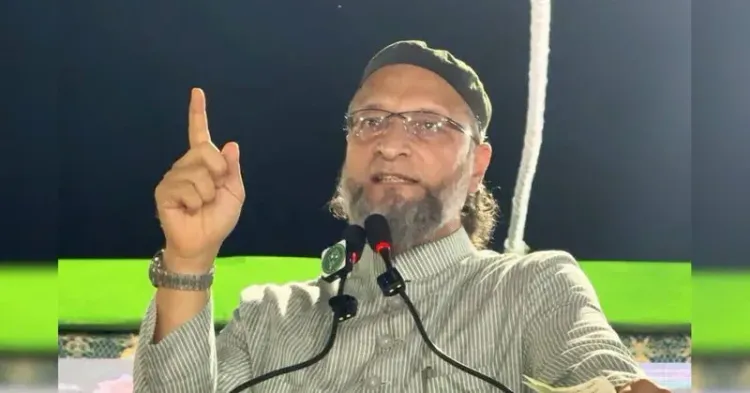
AIMIM president Asaduddin Owaisi has announced his party's first candidate ticket for the Uttar Pradesh assembly elections, marking the start of organisational groundwork ahead of the 2027 polls. The move continues AIMIM's strategy of early candidate deployment in UP to consolidate minority support in select constituencies.
Key Takeaways
Asaduddin Owaisi shared the announcement of AIMIM's first candidate ticket for Uttar Pradesh on June 15, 2026 .
The 2027 Uttar Pradesh assembly elections are the next scheduled polls in the state.
AIMIM contested the 2022 UP elections independently but did not win any seats, though it recorded notable vote shares in select constituencies.
Early ticket announcements are part of AIMIM's broader strategy of incremental expansion in northern India, mirroring its approach in Bihar and Maharashtra .
The identity of the first ticket recipient and the specific constituency have not been independently confirmed.
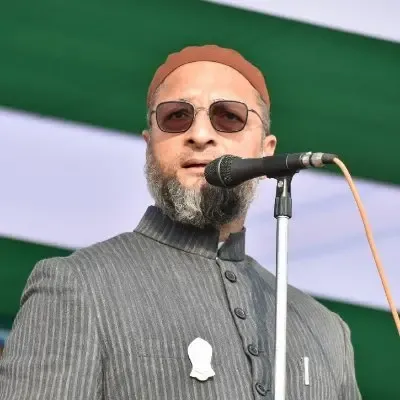
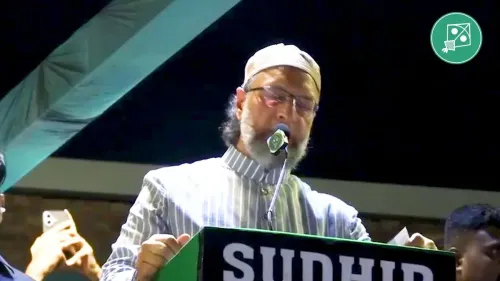
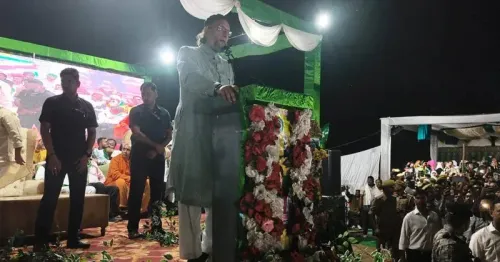
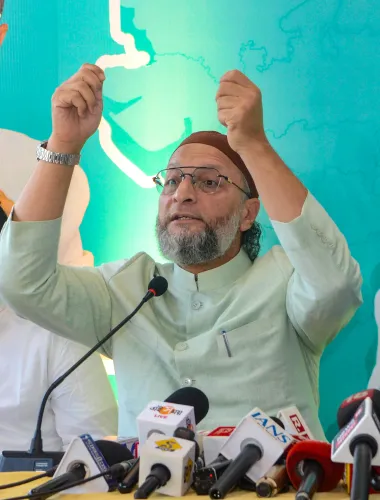
AIMIM president Asaduddin Owaisi on Monday, June 15, 2026, shared what appears to be the announcement of his party's first candidate ticket for the upcoming Uttar Pradesh assembly elections, signalling the beginning of AIMIM's electoral groundwork in India's most populous state well ahead of the 2027 polls.
Context
Owaisi shared a link referencing the distribution of AIMIM's first ticket for the Uttar Pradesh elections, indicating that the party has begun its candidate selection process. The post, shared on his official X account, points to early organisational activity by the All India Majlis-e-Ittehadul Muslimeen in a state where it has historically struggled to convert vote share into seats.
The 2027 Uttar Pradesh assembly elections are the next scheduled polls in the state. Early ticket announcements are a strategic tool parties use to establish a presence on the ground, mobilise volunteers, and signal intent to voters and potential alliance partners.
Policy Backdrop
AIMIM contested the 2022 Uttar Pradesh assembly elections independently, fielding candidates across select constituencies without winning any seats, though it recorded notable vote shares in specific Muslim-majority pockets. That contest followed a similar playbook the party had deployed in Bihar and Maharashtra — positioning itself as an alternative voice for minority representation outside the established national and regional party frameworks.
The party's president, Owaisi, has consistently argued that Muslim voters deserve dedicated political representation rather than being treated as a vote bank by larger parties. AIMIM's incremental expansion strategy involves early candidate announcements to build local networks before the campaign season formally begins.
Stakeholders and Impact
The primary stakeholders in AIMIM's UP electoral strategy are Muslim voters concentrated in western and central Uttar Pradesh, particularly in constituencies with significant minority populations. The party's entry into specific seats can influence vote-share arithmetic and is closely watched by both the ruling Bharatiya Janata Party and opposition formations including the Samajwadi Party.
Rival parties have in the past argued that AIMIM's candidacies fragment the opposition vote in minority-heavy constituencies. AIMIM rejects this framing, maintaining that it contests to win and to give voters a genuine choice. The identity of the first ticket recipient and the specific constituency have not been independently confirmed at the time of this report.
What's Next
Political observers will watch for AIMIM's full candidate list for Uttar Pradesh and whether the party pursues any seat-sharing arrangements with other opposition groups ahead of 2027. The pace of ticket announcements over the coming months will indicate how seriously the party intends to contest and in how many seats. Early mobilisation of this kind typically precedes broader outreach campaigns targeting specific voter communities across the state.
Point of View
Aimed as much at its own cadre as at rival parties. By beginning candidate deployment well before the 2027 election cycle formally opens, Owaisi is staking a claim to constituency-level ground before larger opposition formations consolidate their alliances. This mirrors a pattern the party has used in Bihar and Maharashtra — using early visibility to force a conversation about Muslim political representation. Whether this translates into seats or merely influences vote-share arithmetic in key constituencies remains the central question for analysts watching AIMIM's northern expansion.
NationPress
15 Sept 2026
Frequently Asked Questions
Who did Owaisi give the first UP election ticket to?
The identity of the first AIMIM ticket recipient for the Uttar Pradesh elections has not been independently confirmed at the time of this report. Owaisi shared a post on June 15, 2026, referencing the announcement, but specific candidate details require official confirmation from AIMIM.
When are the next Uttar Pradesh assembly elections?
The next Uttar Pradesh assembly elections are scheduled for 2027 . The state goes to polls every five years, and the last assembly election was held in 2022 .
Has AIMIM ever won a seat in Uttar Pradesh?
AIMIM contested the 2022 Uttar Pradesh assembly elections independently but did not win any seats. The party recorded notable vote shares in select constituencies with significant minority populations.
What is AIMIM's strategy in Uttar Pradesh?
AIMIM's strategy in Uttar Pradesh involves early candidate announcements, independent contest without relying on alliances, and targeting constituencies with significant Muslim voter populations to position itself as a dedicated vehicle for minority political representation.
Why does Owaisi contest elections in UP if AIMIM does not win seats there?
Owaisi argues that Muslim voters deserve direct political representation rather than functioning as a vote bank for larger parties. AIMIM contests to build long-term organisational presence and to give minority voters an independent choice, even in cycles where seat wins remain elusive.