Owaisi Slams NSA Threat Over NEET Protest at Jantar Mantar
Synopsis
AIMIM president Asaduddin Owaisi on 23 July 2026 condemned the reported use of the National Security Act against students protesting the NEET paper leak at Jantar Mantar, calling the government 'lazy and arrogant' for treating aggrieved youth as a national security threat.
Key Takeaways
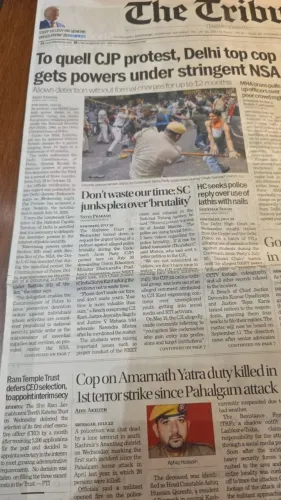
Owaisi warned on 23 July 2026 that the National Security Act (NSA) may be invoked against NEET paper-leak protesters at Jantar Mantar, Delhi .
The NSA (1980) allows detention for up to 12 months without trial, charge, or access to legal appeal.
Owaisi described the move as 'draconian' and stated that 'the youth are not a threat to national security.' Protests at Jantar Mantar centre on alleged irregularities in NEET , India's sole centralised medical entrance examination since 2016 .
Civil liberties groups have documented repeated use of the NSA against political and student dissent across successive governments.
The Supreme Court remains a key forum for scrutiny of both the NEET leak probe and the proportionality of security-law use.
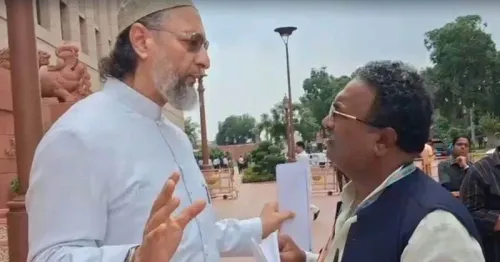
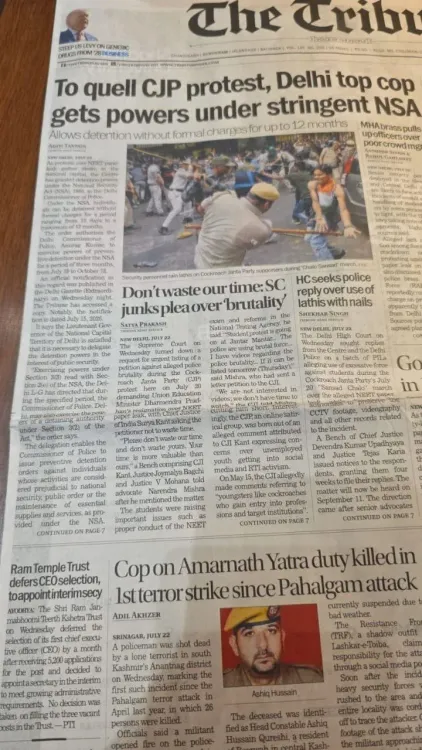
AIMIM president Asaduddin Owaisi on Thursday, 23 July 2026, sharply criticised the government for reportedly planning to invoke the National Security Act (NSA) against student protesters demonstrating at Jantar Mantar, New Delhi, over the alleged NEET paper leak. Owaisi called the move 'draconian' and accused the government of treating aggrieved youth as a threat to national security.
Context
Posting on X, Owaisi warned that 'a draconian Act will be used to quell the protests against NEET paper leak at Jantar Mantar.' He highlighted that the NSA allows the government to 'throw you in jail for months without any appeal, vakeel [lawyer] or daleel [argument].' The phrase, drawn from a well-known Indian legal idiom, underscores the law's sweeping reach — detainees have no immediate recourse to bail or a hearing.
Owaisi concluded with a pointed charge: 'The youth are not a threat to national security. A lazy and arrogant govt is.' The statement frames the controversy not as a law-and-order issue but as a failure of governance accountability.
Policy Backdrop
The National Security Act, enacted in 1980, permits preventive detention for up to 12 months without trial or formal charge on grounds of national security or public order. Critics have long argued that its broad language enables misuse against political dissent, and civil liberties organisations have documented its application during student, farmer, and communal protests across successive governments.
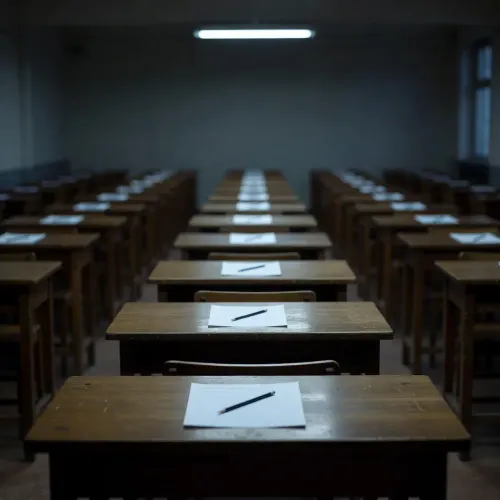
NEET — the National Eligibility cum Entrance Test — has been the sole centralised entrance examination for undergraduate medical and dental courses since 2016, following a Supreme Court directive. Allegations of paper leaks and irregularities in NEET have periodically triggered large-scale protests, with aspirants demanding systemic reform and accountability in examination governance. Jantar Mantar, a designated protest site in central Delhi, has historically served as a focal point for such demonstrations.
Stakeholders and Impact
The primary stakeholders are NEET aspirants — lakhs of students who invest years of preparation for a single high-stakes examination — and the broader student community whose access to medical education depends on the integrity of the process. Any invocation of the NSA against protesters would shift the legal and political terrain dramatically, exposing demonstrators to prolonged detention without judicial remedy.
Owaisi, as Lok Sabha MP from Hyderabad and president of AIMIM, has consistently raised concerns about civil liberties and government overreach in Parliament. His intervention amplifies the protest into a national political debate about the proportionality of security laws when applied to student movements.
What's Next
Attention will now turn to whether authorities proceed with NSA detentions and how the judiciary responds — Supreme Court hearings on the NEET leak investigation remain a key forum for accountability. Any legislative move to amend preventive detention provisions is also likely to surface in the next parliamentary session. The episode adds urgency to calls for an independent, transparent mechanism to oversee high-stakes national examinations.
Point of View
Forcing a debate on whether preventive detention laws designed for national security threats are being repurposed to suppress legitimate dissent. His invocation of the 'no appeal, no lawyer, no argument' formulation is calibrated to resonate with a wide audience beyond his core constituency, framing the issue as one of due process rather than partisan politics. The episode fits a recurring pattern in Indian governance where the executive reaches for security statutes during episodes of public embarrassment — in this case, a systemic failure in examination administration. The political cost of that choice, especially ahead of any electoral cycle, may prove higher than the government anticipates.
NationPress
23 Jul 2026
Frequently Asked Questions
What is the National Security Act and why is it controversial?
The National Security Act (NSA), enacted in 1980, allows Indian authorities to detain a person for up to 12 months without filing formal charges, presenting evidence in court, or allowing the detainee access to a lawyer or bail. It is controversial because its broad language permits use against political protesters, not just genuine security threats.
Why are students protesting at Jantar Mantar over NEET?
Students are protesting alleged paper leaks and irregularities in NEET, the National Eligibility cum Entrance Test that has been the sole gateway to undergraduate medical and dental admissions in India since 2016. Aspirants argue that leaks compromise years of preparation and demand accountability and systemic reform.
What did Owaisi say about the NSA and NEET protesters?
Owaisi said a 'draconian Act' — the NSA — would be used to quell protests at Jantar Mantar, warning it lets the government jail people for months without any appeal, lawyer, or argument. He stated that 'the youth are not a threat to national security' and called the government 'lazy and arrogant.'
Has the NSA been used against student protesters before?
Yes. Civil liberties organisations have documented the use of the NSA during student, farmer, and communal protests across successive Indian governments, drawing sustained criticism for bypassing due process guarantees.
What happens next in the NEET paper-leak controversy?
Supreme Court hearings on the NEET leak investigation are the primary legal forum for accountability. Any NSA detentions could face judicial challenge, and calls for legislative amendment of preventive detention laws are likely to intensify in the next parliamentary session.