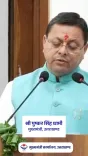
CM Dhami Pitches New Sports Policy for Uttarakhand Youth
Synopsis
Uttarakhand Chief Minister Pushkar Singh Dhami announced on 23 July 2026 that a new state sports policy is delivering world-class facilities and incentives to young athletes, positioning Uttarakhand as an emerging hub of sporting talent in India.
Key Takeaways
CM Pushkar Singh Dhami announced a new Uttarakhand sports policy on 23 July 2026 aimed at transforming the state into a hub for sporting talent.
The policy promises world-class facilities , better opportunities, and incentives for young athletes across the state.
The post was addressed to PM Narendra Modi , Home Minister Amit Shah , and Defence Minister Rajnath Singh , signalling alignment with national leadership.
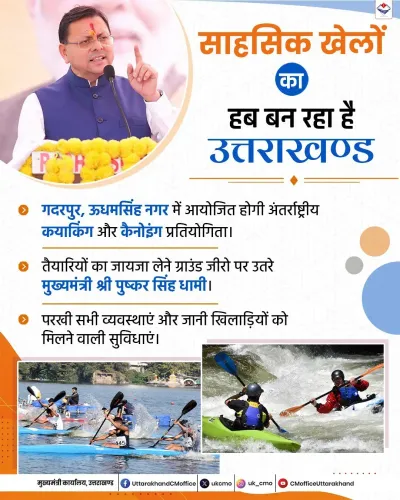
Uttarakhand's Himalayan terrain gives it a natural edge for adventure, winter, and mountaineering sports .
The state's push mirrors a broader pattern of BJP-governed states aligning local sports policies with the central Khelo India programme launched in 2017 .
Specific budget allocations and infrastructure project details have not yet been publicly released .
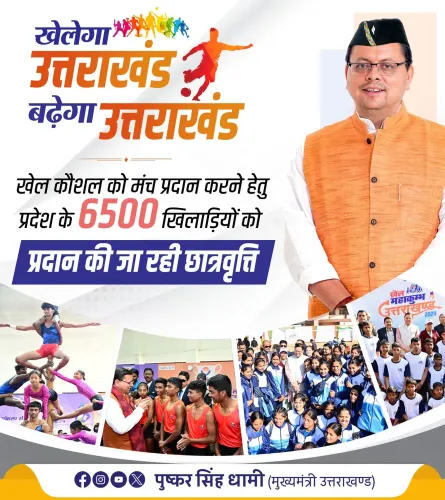
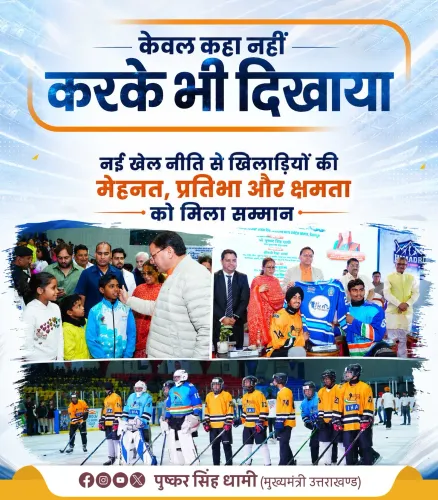
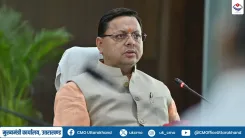
Uttarakhand Chief Minister Pushkar Singh Dhami on Thursday, 23 July 2026, declared that his government is bringing a 'new revolution' in sports through a fresh state sports policy, promising world-class facilities, better opportunities, and incentives for young athletes across Uttarakhand.
Context
Posting on X, CM Dhami wrote: 'Nayi khel niti ke madhyam se khelon ke kshetra mein nayi kranti late hue' ('Bringing a new revolution in sports through the new sports policy'), adding that Uttarakhand is emerging as a new identity for sporting talent. The post was addressed directly to Prime Minister Narendra Modi, Union Home Minister Amit Shah, Defence Minister Rajnath Singh, and BJP leadership, signalling the state government's intent to align its push with national priorities.
The Chief Minister stated that the policy is already delivering world-class facilities and enhanced encouragement to young players, positioning the hill state as a rising hub of sports talent in India.
Policy Backdrop
The announcement builds on a broader national framework. The Khelo India programme, launched in 2017 under Prime Minister Modi, has been the central pillar for grassroots sports talent identification and infrastructure development across Indian states. Uttarakhand, with its Himalayan terrain, has natural advantages for adventure sports, mountaineering, and winter disciplines that set it apart from other states.
Indian states — particularly those governed by the BJP — have increasingly aligned their own sports policies with the Khelo India framework, seeking to leverage central funding and national-level competition platforms such as the Khelo India Games and the National Games. CM Dhami's government has consistently positioned youth empowerment as a pillar alongside tourism and infrastructure development in the state's growth agenda.
Stakeholders and Impact
The primary beneficiaries of the new sports policy are Uttarakhand's young athletes, particularly those from remote Himalayan districts who have historically lacked access to structured training infrastructure. If implemented as articulated, the policy could open pathways for local talent to compete at state, national, and international levels.
Coaches, sports academies, and district-level sports bodies are also key stakeholders, as any expansion of facilities and incentives would flow through these institutions. The emphasis on 'world-class facilities' suggests potential capital investment in stadiums, training centres, and equipment — details that are yet to be publicly specified.
What's Next
The critical next step is the formal public release of the new sports policy document, including details on budget allocations, targeted disciplines, and timelines for infrastructure projects. Observers will watch whether the state integrates its policy milestones with upcoming editions of the Khelo India competitions or a potential hosting bid for national-level events.
With CM Dhami directly tagging central BJP leadership in his post, the move also carries political undertones ahead of any future electoral cycle, as youth and sports outreach has become a consistent plank for the party's state governments across India.
Point of View
Tagging the Prime Minister and senior Union ministers to signal that Uttarakhand is a model performer on youth and sports. The move fits a well-established pattern where BJP-ruled states use sports policy announcements to consolidate youth support ahead of electoral cycles. However, the absence of specific budgetary or infrastructural details means the announcement remains aspirational until a formal policy document is released. The real test will be whether the 'new sports policy' produces measurable outcomes — medal tallies, new facilities, or athlete scholarships — that distinguish it from earlier, similar proclamations.
NationPress
23 Jul 2026
Frequently Asked Questions
What is Uttarakhand's new sports policy announced by CM Dhami?
CM Pushkar Singh Dhami announced on 23 July 2026 that Uttarakhand's new sports policy aims to provide world-class facilities, enhanced opportunities, and financial incentives to young athletes in the state. Specific provisions and budget details have not yet been made public.
How does Uttarakhand's sports policy connect to Khelo India?
Uttarakhand's sports push aligns with the central government's Khelo India programme, launched in 2017, which funds grassroots sports infrastructure and talent identification across Indian states. BJP-governed states have increasingly used Khelo India as a framework for their own sports policies.
Why did CM Dhami tag PM Modi and Amit Shah in his sports post?
CM Dhami tagged Prime Minister Narendra Modi, Home Minister Amit Shah, and Defence Minister Rajnath Singh to signal that Uttarakhand's sports policy is in step with national BJP priorities and to seek visibility for the state's youth development efforts at the central level.
What sports advantages does Uttarakhand have?
Uttarakhand's Himalayan terrain provides a natural advantage for adventure sports, mountaineering, and winter disciplines, giving the state a distinct edge in developing athletes for specialised events that other Indian states cannot easily replicate.
When did CM Dhami make the sports policy announcement?
CM Pushkar Singh Dhami made the announcement on Thursday, 23 July 2026, via a post on X (formerly Twitter).