CM Dhami Cracks Down: UTU Paper Leak Professor Arrested
Synopsis
Doon Police arrested Shivalik College of Engineering assistant professor Ashish Kumar Gupta for leaking Uttarakhand Technical University semester exam papers via WhatsApp. CM Pushkar Singh Dhami reaffirmed a zero-tolerance policy, citing over 100 arrests of cheating-mafia members under the state's strict anti-cheating law.
Key Takeaways
Ashish Kumar Gupta , assistant professor at Shivalik College of Engineering, Jhajhra, arrested by Doon Police for leaking UTU semester exam papers.
Leaked questions were distributed to students via a WhatsApp group , representing an insider breach of the examination supply chain.
CM Pushkar Singh Dhami reaffirmed a zero-tolerance policy covering both recruitment and university examinations.
The state government claims more than 100 members of the cheating mafia and associates have been arrested under the ongoing campaign.
Uttarakhand has a dedicated anti-cheating law that underpins all police actions in these cases.
The campaign is stated to continue with full strictness, with further arrests and charge-sheets expected.
Dehradun, 23 July 2026 — The Chief Minister's Office of Uttarakhand announced on Thursday that Doon Police has arrested an assistant professor for allegedly leaking Uttarakhand Technical University (UTU) semester examination question papers, marking another major action under the state government's ongoing campaign to protect the integrity of recruitment and academic examinations.
What Happened
The arrested individual, Ashish Kumar Gupta, was serving as an assistant professor at Shivalik College of Engineering, Jhajhra, Dehradun. He is accused of sharing key examination questions with students through a WhatsApp group ahead of the UTU semester examination. Doon Police acted on directions from the state government as part of its sustained anti-cheating drive.
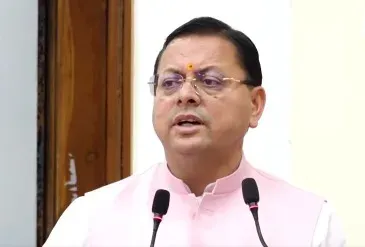
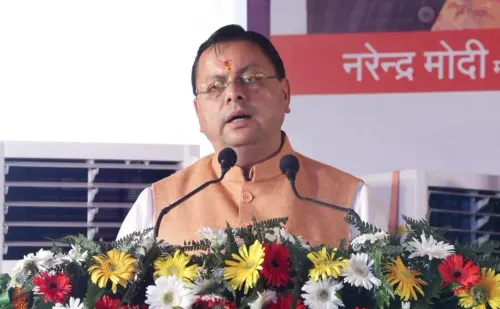
The Chief Minister's Office quoted Chief Minister Pushkar Singh Dhami as stating: 'उत्तराखण्ड सरकार युवाओं के भविष्य के साथ खिलवाड़ करने वालों के खिलाफ जीरो टॉलरेंस की नीति पर कार्य कर रही है' — ('The Uttarakhand government is working on a zero-tolerance policy against those who play with the future of the youth.')
Context
Uttarakhand Technical University is the state's apex technical university, affiliating dozens of engineering and management colleges across the state. A question-paper leak at the semester stage directly undermines the academic credibility of thousands of students and the degrees they earn. The use of WhatsApp groups to distribute leaked material has emerged as a common vector in paper-leak cases across India.
Shivalik College of Engineering is a private institution in Jhajhra, on the outskirts of Dehradun. The involvement of a faculty member — rather than an external operator — signals a breach from within the examination supply chain, making detection and prevention considerably more complex.
Policy Backdrop
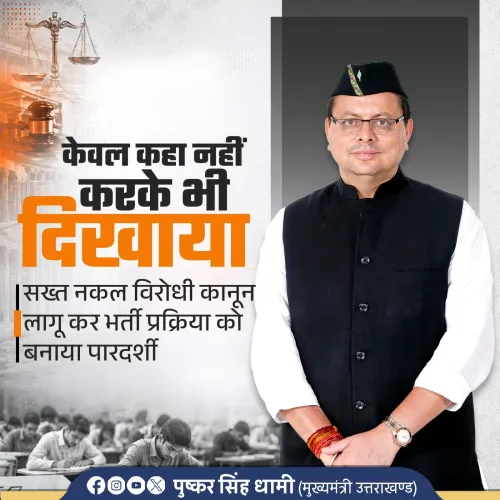
The Uttarakhand government enacted a strict anti-cheating law targeting unfair means in both recruitment and university examinations. CM Dhami stated that the combined effect of this legislation and continuous police action has resulted in the arrest of more than 100 members of the cheating mafia and their associates across various cases in the state.
He emphasised that the crackdown covers all categories of examinations: 'चाहे भर्ती परीक्षाएं हों या विश्वविद्यालय की परीक्षाएं' — ('whether recruitment examinations or university examinations') — and that anyone found violating the confidentiality of the examination system will not be spared. Uttarakhand's campaign mirrors a broader pattern across Indian states, several of which have tightened anti-cheating frameworks following repeated paper-leak scandals that disrupted government recruitment drives.
Stakeholders and Impact
The immediate victims are university students who prepared honestly for the UTU semester examinations, whose results and academic standing could be called into question if the integrity of the paper is compromised. Teaching faculty at affiliated colleges also face heightened scrutiny as institutions review internal examination handling protocols.
Examination authorities at Uttarakhand Technical University will be under pressure to review question-paper distribution mechanisms, access controls, and digital communication policies for examiners and faculty. The arrest of a faculty insider is likely to prompt a broader audit of how papers are transmitted from the university to affiliated colleges.
What's Next
Doon Police is expected to investigate the full extent of the WhatsApp group — identifying every student who received the leaked material and any other individuals in the distribution chain. Charge-sheet filings under the state anti-cheating law could follow, with penalties that the legislation is designed to make exemplary.
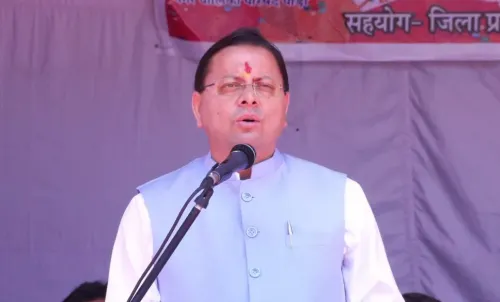
CM Dhami made clear that the campaign will continue with full force: 'अभियान आगे भी पूरी सख्ती से जारी रहेगा' — ('the campaign will continue with complete strictness going forward'). The smooth conduct of remaining UTU semester examinations and any institutional action against Shivalik College of Engineering will be closely watched as indicators of how effectively the state can seal systemic gaps in its examination infrastructure.
Point of View
Shifting the threat from the periphery to the examination supply chain itself. CM Dhami's invocation of the '100-plus arrests' figure is a deliberate political signal — framing the anti-cheating drive as a measurable governance achievement ahead of continued public scrutiny of state examinations. The zero-tolerance messaging also aligns with a national pattern where state governments are competing to demonstrate credibility on exam integrity after high-profile recruitment scandals eroded public trust. The real test will be whether prosecutions under the anti-cheating law result in convictions substantial enough to deter future violations.
NationPress
24 Jul 2026
Frequently Asked Questions
Who was arrested in the Uttarakhand UTU paper leak case?
Ashish Kumar Gupta , an assistant professor at Shivalik College of Engineering in Jhajhra, Dehradun, was arrested by Doon Police for allegedly leaking Uttarakhand Technical University semester examination question papers via a WhatsApp group.
How was the UTU exam paper leaked?
According to the Chief Minister's Office of Uttarakhand, the accused assistant professor shared important examination questions with students through a WhatsApp group before the UTU semester examination was conducted.
What is Uttarakhand's anti-cheating law?
The Uttarakhand government enacted a strict anti-cheating law targeting unfair means in both recruitment and university examinations. The law enables swift police action and is designed to impose exemplary penalties on those who leak papers or facilitate cheating.
How many people have been arrested in Uttarakhand's anti-cheating drive?
CM Pushkar Singh Dhami stated that more than 100 members of the cheating mafia and their associates have been arrested across various cases under the state's ongoing anti-cheating campaign.
What action will be taken against Shivalik College of Engineering after the arrest?
The post does not specify institutional action against Shivalik College of Engineering . However, Doon Police is expected to investigate the full distribution chain, and the state government has indicated the crackdown will continue with full strictness.