Jal Shakti Minister Paatil flags 83,000+ raids under Khet Bachao Abhiyan
Synopsis
Union Jal Shakti Minister C. R. Paatil has highlighted that the government's Khet Bachao Abhiyan campaign has conducted over 83,000 raids, cancelled more than 1,798 licences, and registered 105 FIRs against suppliers of fake and substandard agricultural inputs since 1 April 2025.
Key Takeaways
83,000-plus raids have been conducted under Khet Bachao Abhiyan since 1 April 2025 .
1,798-plus licences of agricultural input dealers have been cancelled during the same period.
105 FIRs have been filed, indicating criminal-level enforcement beyond administrative action.
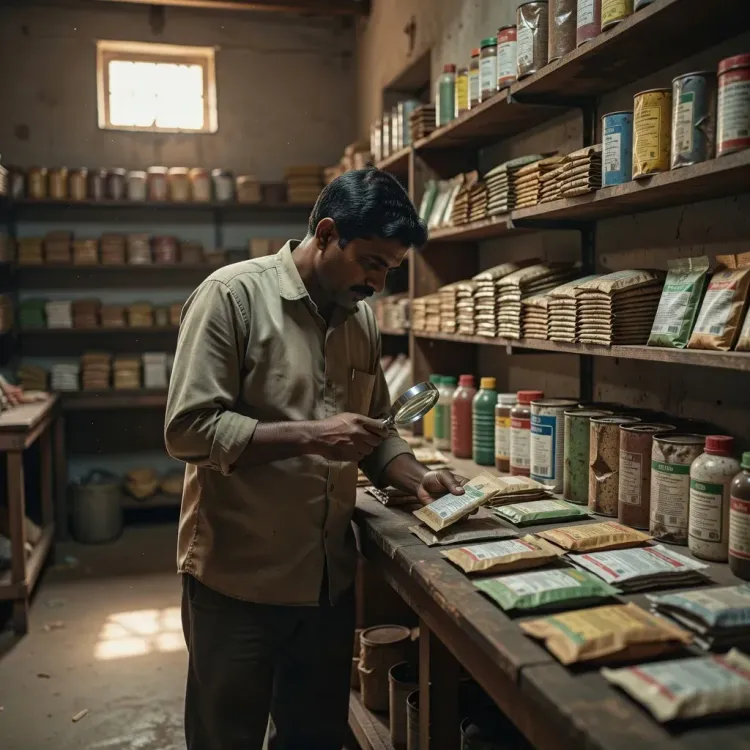
The campaign targets counterfeit and substandard seeds, pesticides, and fertilisers that damage crop yields.
Union Jal Shakti Minister C.
Paatil is publicly championing the drive, signalling high-level political attention.
The precise inter-ministerial mandate between Jal Shakti and Agriculture ministries in running the campaign remains to be formally clarified.
Union Jal Shakti Minister C. R. Paatil on Monday, 1 June 2026 highlighted sweeping enforcement action against counterfeit and substandard agricultural inputs, citing more than 83,000 raids, over 1,798 licence cancellations, and 105 FIRs filed since 1 April 2025 under the government's #KhetBachaoAbhiyan campaign.
Context
Paatil's post — 'नकली और घटिया कृषि सामान पर सरकार का कड़ा प्रहार!' ('A strong strike by the government against fake and substandard agricultural goods!') — frames the drive as a decisive crackdown on suppliers who sell spurious seeds, pesticides, and fertilisers to farmers. The figures he cited cover roughly fourteen months of enforcement activity, suggesting a sustained campaign rather than a one-off raid.
The Khet Bachao Abhiyan (Save the Farm Campaign) is the umbrella initiative under which these enforcement actions are being conducted. Raids, licence cancellations, and criminal complaints under statutes such as the Insecticides Act and the Essential Commodities Act are standard tools used in such drives across states and at the central level.
Policy Backdrop
Successive central and state governments have periodically launched enforcement drives against fake agricultural inputs, a problem that erodes crop yields and pushes farmers into debt when purchased seeds fail to germinate or pesticides prove ineffective. The scale cited — more than 83,000 raids in about fourteen months — places this among the larger such exercises on record, though independent verification of the figures remains pending.
Regulatory action in this space typically involves coordination between the Ministry of Agriculture, state agriculture departments, and law-enforcement agencies. The involvement of the Ministry of Jal Shakti in agricultural-input regulation is not a standard part of its core mandate, which centres on water resources and irrigation infrastructure, making the precise inter-ministerial arrangement behind this campaign a point worth watching.
Stakeholders and Impact
Farmers are the primary beneficiaries of any credible crackdown: defective inputs can devastate an entire season's crop, and the financial fallout often falls entirely on the cultivator. With 1,798-plus licences cancelled, a significant number of dealers have been removed from the supply chain, at least temporarily.
Agricultural input dealers — seed companies, pesticide distributors, and fertiliser retailers — face heightened scrutiny. The 105 FIRs lodged signal that enforcement has moved beyond administrative penalties to criminal prosecution in a subset of cases, which could act as a deterrent across the sector.
What's Next
The next quarterly enforcement report under Khet Bachao Abhiyan will indicate whether the pace of raids and prosecutions is being sustained or has peaked. Observers will also watch for any formal coordination statement between the Jal Shakti Ministry and the Agriculture Ministry that clarifies the division of regulatory responsibility.
Progress on the 105 FIRs through the courts will be a key indicator of whether the campaign translates into lasting deterrence or remains primarily an administrative exercise. Farmer organisations are likely to demand transparency on conviction rates and the restoration of genuine input suppliers to the licensed supply chain.
Point of View
And it reinforces the BJP's broader narrative of protecting the 'annadata' (food provider) farmer from exploitative middlemen. The sheer volume of raids cited — over 83,000 in roughly fourteen months — is politically striking, but the campaign's credibility will ultimately rest on prosecution outcomes from the 105 FIRs, which will take months or years to resolve. Notably, the Jal Shakti Ministry's involvement in agricultural-input regulation sits outside its core water-resources mandate, hinting at possible cross-ministerial task-force arrangements that have not yet been publicly detailed. If conviction rates remain low, opposition parties could reframe the drive as enforcement theatre rather than structural reform.
NationPress
15 Oct 2026
Frequently Asked Questions
What is Khet Bachao Abhiyan?
Khet Bachao Abhiyan is a government enforcement campaign targeting the sale of counterfeit and substandard agricultural inputs such as seeds, pesticides, and fertilisers, using raids, licence cancellations, and FIRs to protect farmers.
How many raids have been conducted under Khet Bachao Abhiyan?
According to Union Jal Shakti Minister C. R. Paatil, more than 83,000 raids have been carried out under the campaign since 1 April 2025.
How many licences have been cancelled under the farm input crackdown?
More than 1,798 licences of agricultural input dealers have been cancelled since the campaign began on 1 April 2025, as cited by Minister C. R. Paatil.
What laws are used to prosecute sellers of fake agricultural inputs in India?
Enforcement agencies typically invoke the Insecticides Act, the Seeds Act, and the Essential Commodities Act to file FIRs and cancel licences against dealers of spurious farm inputs.
Why is the Jal Shakti Ministry involved in agricultural input regulation?
The Jal Shakti Ministry's core mandate covers water resources and irrigation; its precise role in the Khet Bachao Abhiyan alongside the Agriculture Ministry has not been formally detailed in public records.