Paatil Hails India-Japan Ties, Credits Modi's Vision
Synopsis
Union Jal Shakti Minister C. R. Paatil on 3 July 2026 praised India-Japan relations as grounded in shared democratic values and mutual trust, crediting PM Modi's vision for expanding cooperation in infrastructure, technology, green growth and skill development into a model global partnership.
Key Takeaways
Union Jal Shakti Minister C.
Paatil posted on X on 3 July 2026 affirming the strength of India-Japan ties.
He credited PM Narendra Modi's leadership for giving the relationship 'new energy and wider dimensions.' Key cooperation areas cited: infrastructure, technology, investment, innovation, skill development and green growth .
The India-Japan Special Strategic and Global Partnership has been deepened through annual summits since 2006 .
The Mumbai-Ahmedabad High-Speed Rail project and the Quad revival in 2017 are landmark milestones of the partnership.
Paatil framed the relationship as a symbol of a shared resolve for 'a peaceful, prosperous and developed future.'
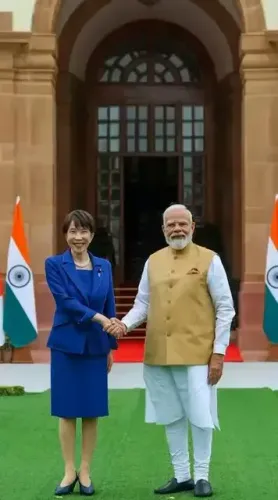
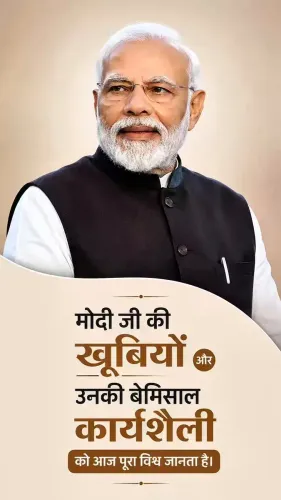
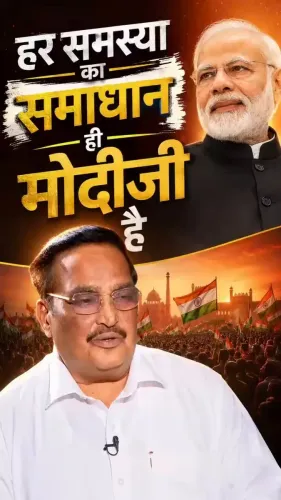
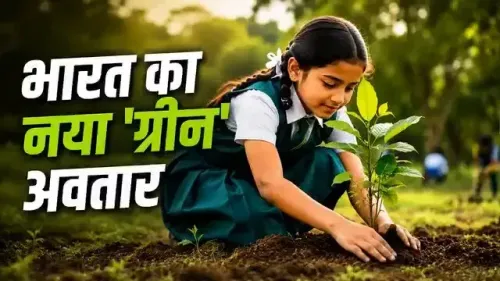
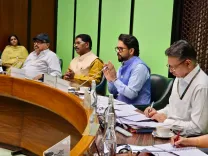
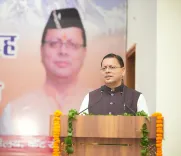
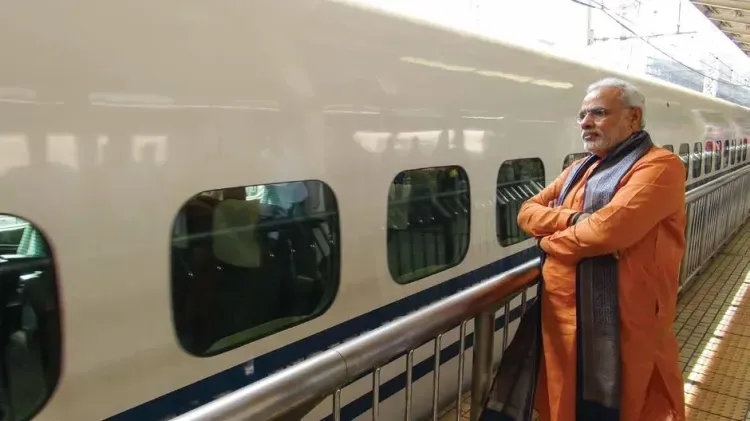
Union Jal Shakti Minister C. R. Paatil on Friday, 3 July 2026, took to X to celebrate the depth and breadth of India-Japan relations, crediting Prime Minister Narendra Modi's leadership for giving the partnership 'new energy and wider dimensions.' Paatil's post, accompanied by four images, underscored cooperation across infrastructure, technology, investment, innovation, skill development and green growth.
Context
Writing in Hindi, Paatil stated that 'भारत और जापान के संबंध साझा लोकतांत्रिक मूल्यों, पारस्परिक विश्वास और दीर्घकालिक सहयोग की सुदृढ़ नींव पर आधारित हैं' — 'India-Japan relations are rooted in the strong foundation of shared democratic values, mutual trust and long-term cooperation.' He added that the partnership is 'not limited to bilateral ties alone, but is also a powerful symbol of a shared resolve for a peaceful, prosperous and developed future.'
The minister concluded that the two nations are together 'writing an inspiring chapter of progress, trust and global partnership,' marking the post with both national flags — 🇮🇳🇯🇵.
Policy Backdrop
The India-Japan Special Strategic and Global Partnership, formally established in 2006 and deepened through annual summits, forms the structural backbone of the relationship Paatil described. The Comprehensive Economic Partnership Agreement, in force since 2011, has progressively expanded trade and investment flows between the two economies.
A landmark expression of this cooperation is the Mumbai-Ahmedabad High-Speed Rail project, for which a financing and technology agreement with Japan was signed in 2015. On the strategic side, both countries revived the Quad mechanism in 2017, embedding their bilateral cooperation within the broader Indo-Pacific architecture alongside the United States and Australia.
India's Act East Policy has consistently positioned Japan as a premier partner for connectivity, supply-chain diversification and sustainable development — precisely the sectors Paatil highlighted in his post.
Stakeholders and Impact
Japanese investors and Indian infrastructure developers are among the most direct beneficiaries of the bilateral framework, with large-scale rail, port and urban-mobility projects channelling Japanese official development assistance and private capital into India. The green-growth and skill-development pillars cited by Paatil point to a newer layer of cooperation aimed at India's younger workforce and its clean-energy transition goals.
For the broader Indo-Pacific region, a robust India-Japan axis contributes to supply-chain resilience and rules-based maritime order — objectives both governments have articulated through Quad dialogues and bilateral defence exchanges.
What's Next
Attention will focus on the outcomes of the next India-Japan Annual Summit and progress on flagship infrastructure and green-energy projects under existing bilateral frameworks. Paatil's public reaffirmation of the partnership signals continued political will at the cabinet level to sustain momentum across the multiple sectors he enumerated.
Point of View
' the statement also serves a domestic political function, reinforcing the BJP's image as the architect of India's elevated global standing. The invocation of shared democratic values and the Indo-Pacific framing subtly positions the partnership within a broader geopolitical alignment without explicitly naming any rival power. Taken together, the post reflects the Modi government's consistent practice of using social media as a real-time instrument of public diplomacy.
NationPress
3 Jul 2026
Frequently Asked Questions
What did C. R. Paatil say about India-Japan relations?
C. R. Paatil said India-Japan relations are built on shared democratic values, mutual trust and long-term cooperation, and credited PM Modi's leadership for expanding the partnership into areas such as infrastructure, technology, green growth and skill development.
What is the India-Japan Special Strategic and Global Partnership?
It is the highest tier of the bilateral relationship, established in 2006 and deepened through annual summits, covering economic, strategic and technological cooperation including the Comprehensive Economic Partnership Agreement and the Mumbai-Ahmedabad High-Speed Rail project.
What is the Mumbai-Ahmedabad High-Speed Rail project?
It is a flagship infrastructure project linking Mumbai and Ahmedabad using Japanese Shinkansen technology and financing, with a bilateral agreement signed in 2015 as a symbol of India-Japan cooperation.
How does India-Japan cooperation connect to the Quad?
Both countries revived the Quad mechanism in 2017 alongside the United States and Australia, embedding their bilateral ties within a broader Indo-Pacific framework aimed at regional stability, connectivity and supply-chain resilience.
What is India's Act East Policy and Japan's role in it?
India's Act East Policy prioritises engagement with East and Southeast Asian nations; Japan is a central partner within this framework, contributing technology, official development assistance and strategic coordination to advance India's connectivity and sustainable development goals.