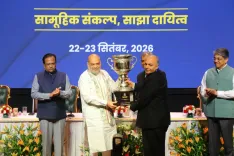
Jal Shakti Minister C. R. Paatil inaugurates Surat school buildings worth ₹29.75 cr
Synopsis
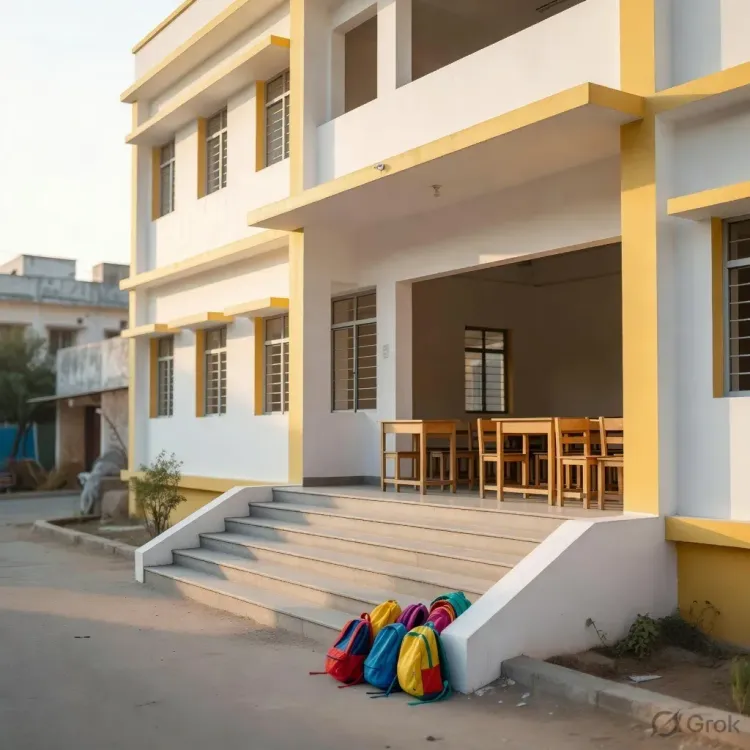
Union Jal Shakti Minister C. R. Paatil inaugurated primary school buildings worth ₹29.75 crore and laid foundation stones for ₹4.38 crore new buildings across Surat Municipal Corporation zones under the Samagra Shiksha framework, linking the projects to PM Modi's push for modern government school infrastructure.
Key Takeaways
₹29.75 crore worth of primary school buildings across Surat Municipal Corporation zones were formally dedicated to the public by C.
Paatil on 8 August 2026 .
Foundation stones for additional school buildings costing ₹4.38 crore were also laid at the same event.
Both sets of projects fall under the Samagra Shiksha department, the Centre's consolidated school education scheme launched in 2018 .
Paatil linked the infrastructure push to PM Narendra Modi 's stated goal of providing every child with quality education and modern school facilities.
The inauguration follows the policy direction set by the National Education Policy 2020 , which prioritised upgrading government school infrastructure.
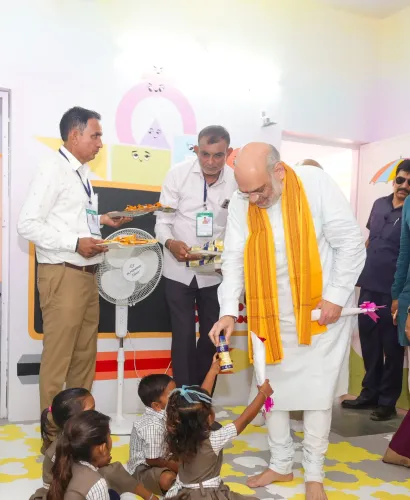
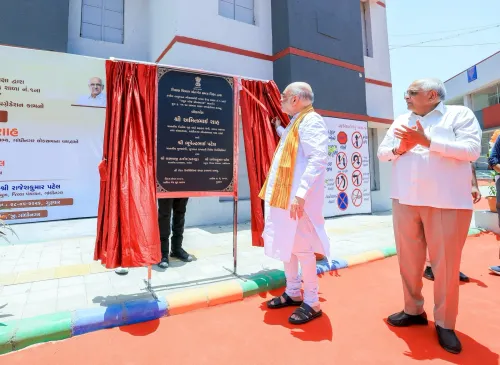
New classrooms, new futures — and a clear signal that Surat's youngest learners are not an afterthought. Union Jal Shakti Minister C. R. Paatil on Saturday, 8 August 2026, presided over the inauguration of primary school buildings across multiple zones of Surat, marking a significant step in the city's push to upgrade its government education infrastructure.
Paatil performed the lokarpan (public dedication) of primary school buildings constructed at a cost of ₹29.75 crore under the Surat Municipal Corporation across various zone areas of the city. He also laid the foundation stones — khatmuhurt — for new school buildings to be built at an additional outlay of ₹4.38 crore, both sets of projects falling under the Samagra Shiksha department.
₹34-crore push for Surat's primary classrooms
Together, the inaugurated and newly launched projects represent a combined investment of over ₹34 crore in government primary school infrastructure across Surat's urban zones. The buildings are designed to provide children with modern, well-equipped learning environments — a priority the central government has anchored to the National Education Policy (NEP) 2020 and the Samagra Shiksha Abhiyan, the flagship scheme launched in 2018 that pools central support for school construction and elementary education quality.
Paatil, posting in Gujarati on X, described the occasion as one of 'immense joy' and said the development works would strengthen the resolve — under Prime Minister Narendra Modi's leadership — to provide every child with quality education alongside modern and well-equipped educational infrastructure. He expressed heartfelt wishes that these school buildings become 'centres of knowledge, values, and a bright future' for Surat's children.
A Gujarat minister's local stamp on national education goals
Paatil's participation is consistent with a well-established pattern among Gujarat's senior Union ministers: active involvement in local civic milestones even when their portfolio sits outside the education ministry. For Paatil — a former BJP Gujarat state president and a dominant political figure in Surat — such appearances reinforce constituency ties while visibly connecting municipal-level work to the Centre's broader education agenda.
The Samagra Shiksha framework, which consolidates earlier schemes like Sarva Shiksha Abhiyan and Rashtriya Madhyamik Shiksha Abhiyan, funds school buildings, toilets, boundary walls, and digital infrastructure in partnership with state governments and urban local bodies. Surat Municipal Corporation's use of this framework to build and upgrade primary schools in its zone areas reflects the model the Centre has been pushing for urban centres across India.
For the children who will walk through these doors, the concrete and glass is just the beginning — the real test is whether the classrooms stay staffed, stocked, and open every morning.
Point of View
Broadening its political footprint. For the BJP, showcasing a Union minister at a civic education event reinforces the message that central schemes translate into bricks-and-mortar outcomes at the ward level. The real metric to watch will be whether teacher deployment and learning outcomes in these new buildings keep pace with the infrastructure investment.
NationPress
22 Sept 2026
Frequently Asked Questions
What did C. R. Paatil inaugurate in Surat on 8 August 2026?
C. R. Paatil inaugurated primary school buildings built at a cost of ₹29.75 crore across various zones of Surat Municipal Corporation, and also laid foundation stones for new school buildings worth ₹4.38 crore, all under the Samagra Shiksha department.
What is the Samagra Shiksha Abhiyan?
Samagra Shiksha Abhiyan is a centrally sponsored scheme launched in 2018 that consolidates support for school construction, infrastructure, and elementary education quality across India, funded jointly by the Centre and state governments.
Why is a Jal Shakti Minister inaugurating school buildings?
Senior Union ministers from Gujarat, including C. R. Paatil, regularly participate in local civic inaugurations in their home state even when their central portfolio is unrelated to education, maintaining constituency presence and linking municipal projects to national schemes.
How much money is being spent on Surat school buildings under this project?
A combined amount of over ₹34 crore is being invested — ₹29.75 crore for buildings already completed and inaugurated, and ₹4.38 crore for new buildings whose foundation stones were laid on the same day.
What is the National Education Policy 2020's role in school infrastructure?
The National Education Policy approved in 2020 prioritised building modern, well-equipped school infrastructure alongside improving education quality, providing the policy framework under which schemes like Samagra Shiksha are channelling funds to upgrade government primary schools.