Pakistan strikes Afghanistan 'to dodge Mecca pact duties, hide Munir failures': Report
Synopsis
Pakistan's cross-border strikes in Afghanistan have killed at least 10 civilians since 1 October, according to UNAMA — but an analysis in Afghan media argues the real drivers are Islamabad's reluctance to honour the Mecca Joint Defence Agreement after Houthi attacks on Saudi Arabia and a bid to distract from Army chief Asim Munir's mounting domestic security failures. The strikes are not solving Pakistan's insurgency problem; they may be masking it.
Key Takeaways
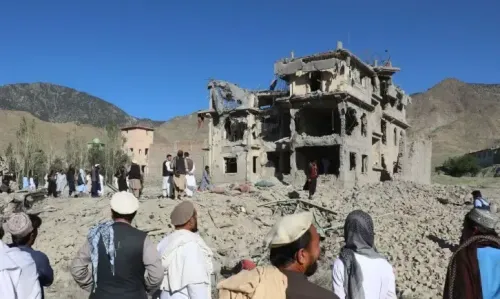
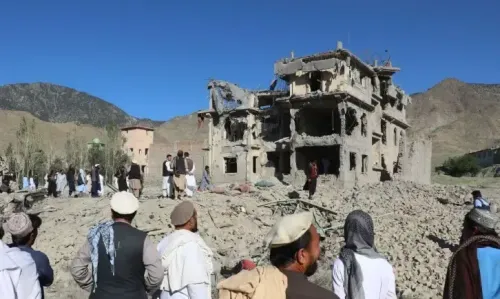
UNAMA confirmed at least 10 killed and 9 injured in Pakistan's airstrikes on 1 October 2026 ; the Taliban said 3 civilian homes were hit.
Earlier strikes on 24 September killed 4 civilians in Khost, Paktia, and Kandahar ; strikes on 21 September killed 3 in Kunar and Paktika .
Analysis by Ankit Kumar in Khaama Press argues the strikes serve to avoid obligations under the Mecca Joint Defence Agreement , signed by Pakistan, Saudi Arabia, and Turkey on 7 August 2026 .
Pakistan Defence Minister Khawaja Asif indicated the pact could be triggered after Houthi attacks on Saudi Arabia on 8 September , but no troops have been deployed.
A second motive cited is diverting attention from Field Marshal Asim Munir's failure to contain militancy inside Pakistan , especially in Khyber Pakhtunkhwa .
Pakistan has framed its recent airstrikes inside Afghanistan as targeted counterterrorism operations against militant hideouts, but an analysis published by Afghan news agency Khaama Press argues that the true motivations run deeper — including evading obligations under the Mecca Joint Defence Agreement and concealing the security failures of Field Marshal Syed Asim Munir, Pakistan's Army chief.
Civilian Toll and Disputed Claims
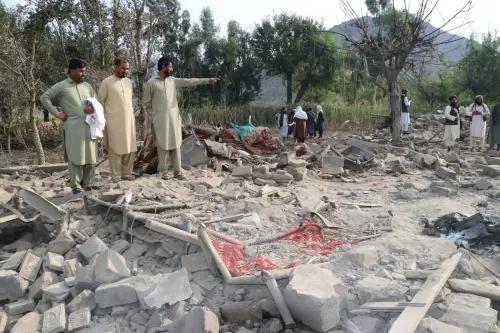
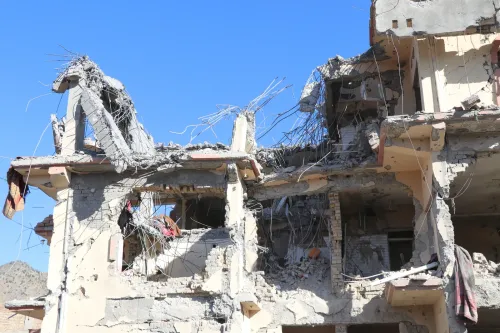
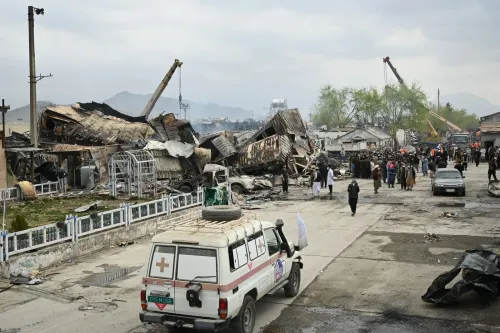
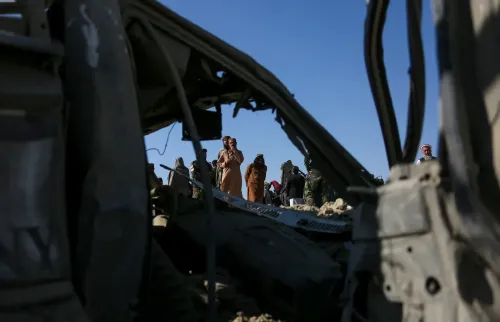
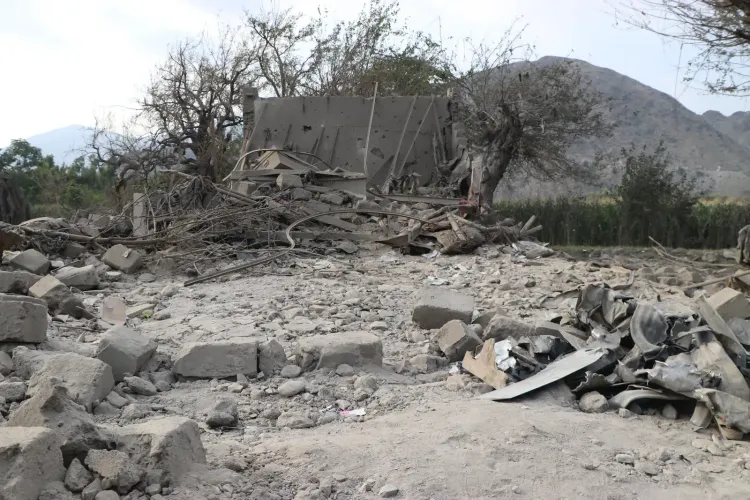
The United Nations Assistance Mission in Afghanistan (UNAMA) confirmed that at least 10 people were killed and nine others injured in Pakistani airstrikes on 1 October 2026. The Taliban stated that three civilian homes were struck in the raids. Pakistan, however, maintained that its strikes targeted hideouts belonging to the Tehreek-e-Taliban Pakistan (TTP) and the Balochistan Liberation Army (BLA).
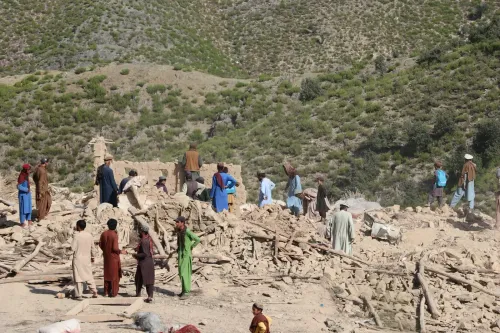
The latest strikes were not an isolated incident. On 24 September, Pakistan carried out airstrikes in Khost, Paktia, and Kandahar, killing four civilians. Three days earlier, on 21 September, strikes in Kunar and Paktika killed three more people. The pattern of repeated cross-border strikes and an accumulating civilian death toll has drawn international scrutiny.
The Mecca Agreement Factor
On 7 August 2026, Saudi Arabia, Pakistan, and Turkey signed the Mecca Joint Defence Agreement, under which an attack on any one signatory is treated as an attack on all three. Pakistan's Ministry of Foreign Affairs described the pact as reflecting a shared commitment to 'strengthen collective security and promote peace, stability, and prosperity in the region.'
On 8 September, Houthi forces launched missile and drone attacks against Saudi Arabia. The following day, Pakistan Defence Minister Khawaja Asif said the assault could trigger the Mecca agreement. Senior Pakistani military officials subsequently vowed to stand with Riyadh, and Prime Minister Shehbaz Sharif, addressing the 81st session of the United Nations General Assembly, declared that any threat to Mecca or Medina represented a 'red line' for Pakistan.
The Khaama Press analysis, authored by Ankit Kumar, argues that this rhetoric has not translated into troop deployments or direct military engagement in the Middle East — and that the airstrikes in Afghanistan may serve as a visible but less costly show of military assertiveness to substitute for that commitment.
Munir's Security Record Under Scrutiny
'Islamabad has repeatedly described its attacks as deliberate, precise, and proportionate, presenting them as necessary responses to militant attacks and threats allegedly originating from Afghan territory. Yet the growing civilian toll and continuing deterioration of Pakistan's own security situation raise serious questions about that justification,' Kumar wrote.
He further argued: 'These strikes appear to serve two additional political goals for Islamabad that go beyond its stated counterterrorism strategy against the TTP: avoiding the difficult commitments Pakistan faces under the Mecca Joint Defence Agreement and diverting attention from Field Marshal Syed Asim Munir's failure to contain the worsening security situation inside Pakistan.'
The security crisis in Pakistan, particularly in Khyber Pakhtunkhwa and the former tribal areas, has deep political, social, and historical roots that cross-border airstrikes cannot address, the analysis contended. Critics argue that striking across an international border is not a substitute for resolving the underlying grievances that sustain militancy within Pakistan's own borders.
Broader Regional Implications
This is not the first time Pakistan's military operations in Afghanistan have been questioned on grounds of proportionality. The latest strikes add to a pattern of escalating cross-border action that risks further straining Islamabad-Kabul relations, already fraught since the Taliban's return to power. With the Mecca pact's obligations unresolved and Pakistan's internal security worsening, analysts warn that Islamabad's strategic calculus is becoming increasingly difficult to sustain.
How Pakistan reconciles its defence pact commitments with its domestic security crisis — and whether the international community will hold it accountable for civilian casualties in Afghanistan — will be closely watched in the weeks ahead.
Point of View
But when the Houthis struck Saudi Arabia weeks later, Pakistan's response was a speech at the UN General Assembly, not a deployment. Striking militants in Afghanistan — or at least claiming to — fills that credibility gap at a lower political cost. Meanwhile, the security situation in Khyber Pakhtunkhwa and the former tribal areas continues to worsen, suggesting these strikes are displacement activity rather than strategy. The mounting civilian toll documented by UNAMA risks triggering an international accountability process that Pakistan is ill-equipped to handle while simultaneously managing its Mecca pact obligations and an internal insurgency.
NationPress
4 Oct 2026
Frequently Asked Questions
Why is Pakistan conducting airstrikes in Afghanistan?
Pakistan says its strikes target hideouts of the Tehreek-e-Taliban Pakistan (TTP) and the Balochistan Liberation Army (BLA) on Afghan soil. However, analysis published by Khaama Press argues the strikes also serve to help Islamabad avoid commitments under the Mecca Joint Defence Agreement and distract from Army chief Asim Munir's failure to contain Pakistan's domestic security crisis.
What is the Mecca Joint Defence Agreement?
The Mecca Joint Defence Agreement is a trilateral pact signed by Saudi Arabia, Pakistan, and Turkey on 7 August 2026, under which an attack on any one signatory is treated as an attack on all three. Pakistan invoked its 'red line' language after Houthi attacks on Saudi Arabia in September 2026 but has not deployed troops to the Middle East.
How many civilians have been killed in Pakistan's Afghan strikes?
According to UNAMA, at least 10 people were killed and 9 injured in Pakistani airstrikes on 1 October 2026 alone. Earlier rounds on 24 September killed 4 civilians in Khost, Paktia, and Kandahar, and strikes on 21 September killed 3 in Kunar and Paktika.
Who is Asim Munir and why is he mentioned?
Field Marshal Syed Asim Munir is Pakistan's Army chief. The Khaama Press analysis contends that the cross-border strikes serve partly to divert attention from his failure to contain the worsening security situation inside Pakistan, particularly in Khyber Pakhtunkhwa and the former tribal areas.
What has been the Taliban's response to the strikes?
The Taliban stated that three civilian homes were struck in Pakistan's October 2026 airstrikes, contradicting Islamabad's claim that the raids targeted militant hideouts. The strikes risk further deteriorating already-strained Pakistan-Afghanistan relations since the Taliban's return to power.