Taliban accuses Pakistan of Afghan strikes to dodge Mecca Pact duties
Synopsis
The Taliban's top spokesperson has accused Pakistan of bombing Afghan territory not out of security necessity but to dodge its obligations under the Mecca Pact and mask mounting domestic failures — a sharp diplomatic escalation that comes after two rounds of Pakistani airstrikes killed at least seven civilians in under a week.
Key Takeaways
Taliban spokesperson Zabihullah Mujahid accused Pakistan on 25 September 2026 of striking Afghanistan to evade the Mecca Pact and divert attention from domestic crises.
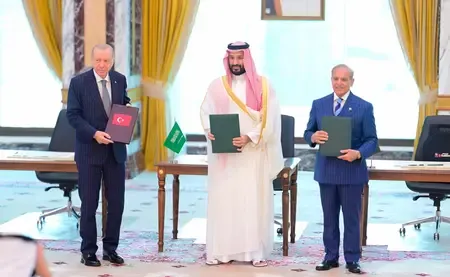
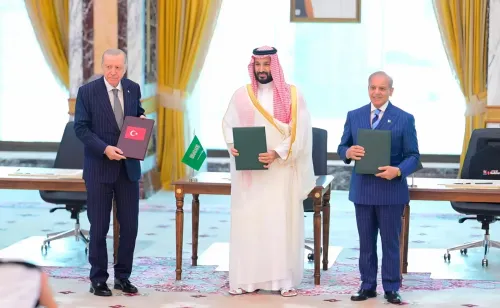
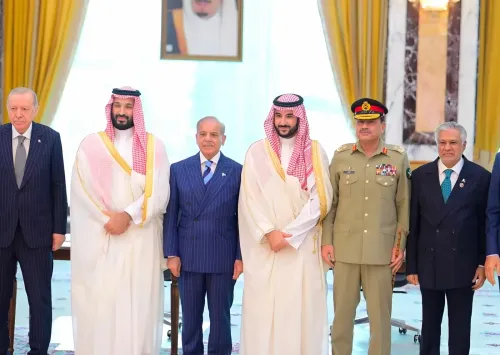
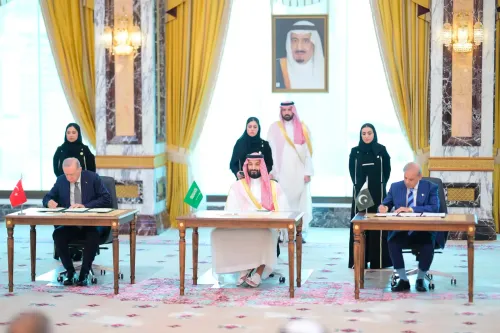
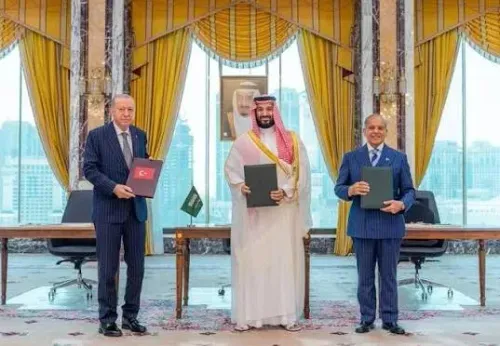
The Mecca Pact , signed by Saudi Arabia , Pakistan , and Turkey on 7 August , treats an attack on any signatory as an attack on all three.
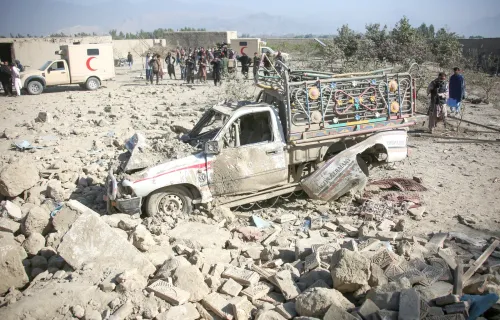
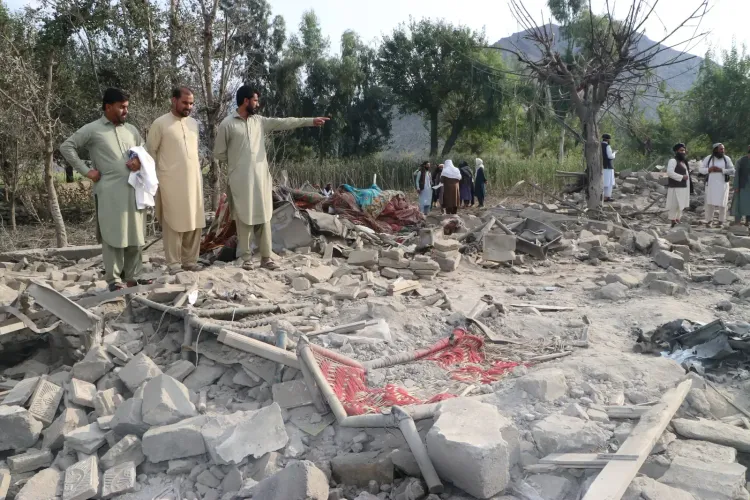
Pakistani airstrikes on Kandahar , Paktia , and Khost on Thursday reportedly killed four civilians .
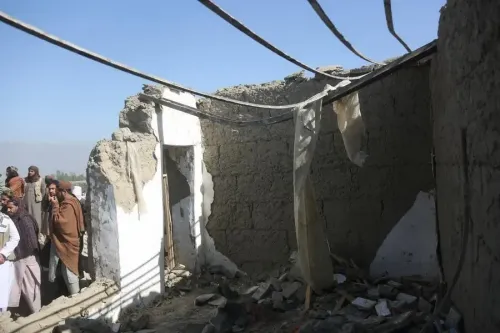
Earlier strikes on Kunar and Paktika on 21 September killed three people , according to the Taliban.
Mujahid warned of an 'appropriate response' and described the strikes as a 'flagrant violation' of all principles, including in a post on X.
Taliban spokesperson Zabihullah Mujahid on 25 September 2026 accused Pakistan of launching military strikes against Afghanistan to deflect domestic political pressure and evade obligations under the Mecca Pact, according to Afghan media reports. Mujahid made the remarks at a religious seminary in Kandahar, warning that Kabul would deliver an 'appropriate response' to what he called Pakistani military 'bullying.'
The Mecca Pact Allegation
Saudi Arabia, Pakistan, and Turkey signed a trilateral defence agreement in Mecca on 7 August, pledging to strengthen collective deterrence against acts of aggression. Under the pact, an armed attack on any one signatory is to be treated as an attack on all three.
Mujahid alleged that Islamabad was deliberately framing its cross-border operations as a state of war with Afghanistan in order to invoke or sidestep the pact's provisions. 'Pakistan's recent attacks on Afghanistan were carried out with the aim of escaping the Mecca agreement with Saudi Arabia, while portraying the situation as though Pakistan is engaged in a war in Afghanistan,' he said, according to reports citing Afghan outlet Ariana News.
Pakistan's Strikes and the Civilian Toll
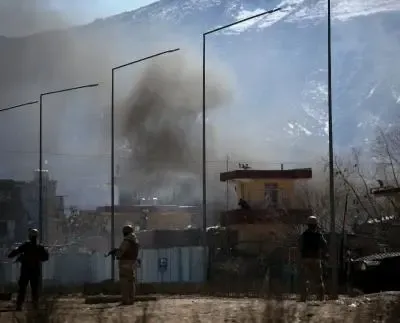
The remarks followed fresh Pakistani airstrikes on Afghanistan's Kandahar, Paktia, and Khost provinces on Thursday, which reportedly killed four civilians. These came just days after earlier strikes on Kunar and Paktika provinces on 21 September that killed three people, according to Taliban accounts.
Mujahid, in a post on X, condemned the strikes as 'indiscriminate and cowardly,' describing them as a flagrant violation of all principles and a clear act of 'aggression and crime.' The Taliban has not independently verified civilian casualty figures through third-party sources.
Taliban's Reading of Pakistan's Internal Crisis
Mujahid alleged that Pakistan's military leadership was pursuing a 'false position' that endangered its own people. He claimed that political space inside Pakistan had been curtailed, legally protected freedoms withheld, and the country's economic situation had 'deteriorated substantially.' 'Pakistan, by violating the territory of its neighbouring Islamic country, wants to divert attention from its failures,' he said.
Notably, Pakistan has faced sustained domestic unrest in recent months, including protests, political arrests, and a fragile macroeconomic environment — context that lends the Taliban's narrative a degree of surface plausibility, even as Islamabad has not publicly responded to these specific allegations.
Afghanistan's Warning
The Islamic Emirate of Afghanistan — the Taliban's formal name for its administration — vowed that 'shameless acts of aggression and attacks by the Pakistani military regime will be met with an appropriate response through a decisive stance.' Mujahid further warned that 'reckless, careless, and hostile actions' would provoke the anger of the Afghan people and carry 'adverse consequences' for Pakistan's military leadership.
With two sets of airstrikes in under a week and Kabul publicly threatening retaliation, the Afghanistan-Pakistan border situation is deteriorating rapidly — and the role of the Mecca Pact's third signatory, Saudi Arabia, in mediating or responding to the dispute remains an open question.
Point of View
Kabul is attempting to internationalise the dispute and bring Riyadh into a position where it must respond. Pakistan, meanwhile, has offered no public rebuttal to this specific legal argument. The civilian casualty claims remain unverified by independent sources, but the pattern of two strikes in under a week marks a significant escalation — and one that the Mecca Pact's third signatory, Saudi Arabia, cannot easily ignore.
NationPress
25 Sept 2026
Frequently Asked Questions
What is the Mecca Pact and why is it relevant to the Pakistan-Afghanistan conflict?
The Mecca Pact is a trilateral defence agreement signed by Saudi Arabia, Pakistan, and Turkey on 7 August, under which an attack on any one signatory is treated as an attack on all three. The Taliban alleges Pakistan is manipulating this pact by framing its cross-border strikes as a state of war with Afghanistan, thereby invoking or evading the agreement's provisions.
What did Taliban spokesperson Zabihullah Mujahid say about Pakistan's airstrikes?
Mujahid alleged that Pakistan launched strikes on Afghanistan to divert public attention from its domestic political and economic failures and to escape its Mecca Pact obligations. He condemned the strikes as 'indiscriminate and cowardly' and warned of an 'appropriate response' from the Islamic Emirate of Afghanistan.
How many civilians were killed in Pakistan's recent airstrikes on Afghanistan?
According to Taliban accounts, Pakistani airstrikes on Kandahar, Paktia, and Khost on Thursday killed four civilians, while earlier strikes on Kunar and Paktika on 21 September killed three people. These figures have been attributed to the Taliban and have not been independently verified.
Has Pakistan responded to the Taliban's allegations?
Pakistan had not publicly responded to the Taliban's specific allegations regarding the Mecca Pact or the domestic-distraction narrative as of the time of these reports. Islamabad has previously justified cross-border operations as counterterrorism actions targeting militant groups on Afghan soil.
What is the Islamic Emirate of Afghanistan's position going forward?
The Taliban's administration, which styles itself the Islamic Emirate of Afghanistan, has vowed a 'decisive' and 'appropriate response' to the Pakistani strikes. Mujahid warned that continued hostile actions would provoke Afghan anger and carry adverse consequences for Pakistan's military leadership.