Sonowal hails Paradip Port for sheltering 54 fishermen amid Cyclone Akvan
Synopsis
Union Ports Minister Sarbananda Sonowal lauded Paradip Port's team on November 19, 2026, for sheltering 54 fishermen and securing 6 vessels as Cyclone Akvan threatened Odisha's coast, citing India's commitment to maritime safety and humanitarian duty.
Key Takeaways
54 fishermen and 6 vessels were sheltered by Paradip Port during Cyclone Akvan on November 19, 2026 .
Union Minister Sarbananda Sonowal publicly commended the port team's 'timely action' on X.
Paradip Port lies on Odisha's coast within India's cyclone-prone Bay of Bengal corridor.
India's port cyclone protocols were significantly upgraded following Cyclone Fani in 2019 , coordinated with the India Meteorological Department .
The Sagarmala Project (2015) has funded safety and modernisation infrastructure at major ports including Paradip.
Maritime safety for coastal fishing communities is a stated pillar of Maritime India Vision 2030 .
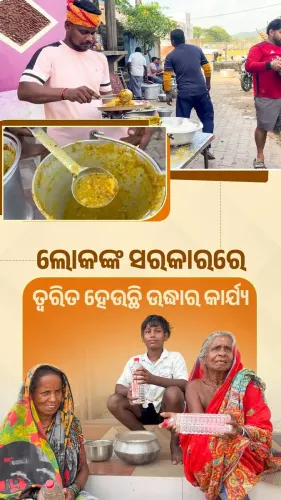
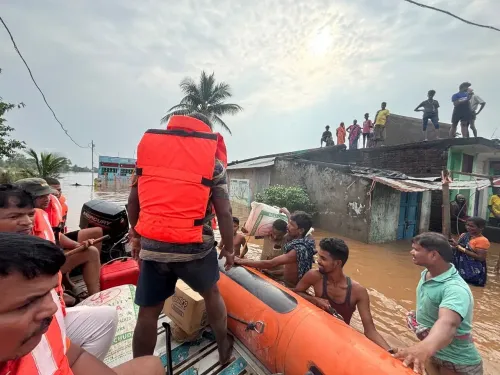
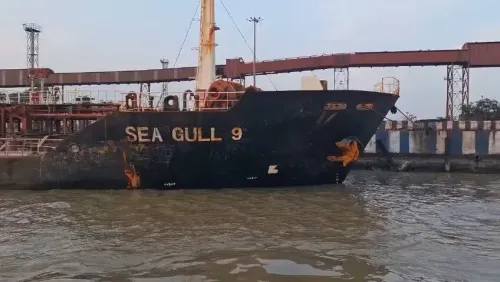
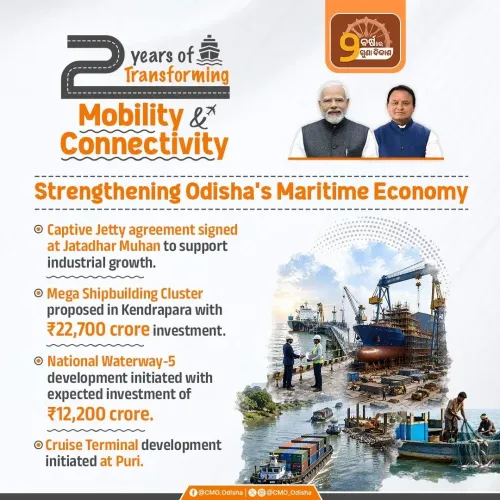
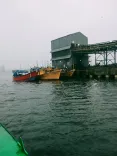
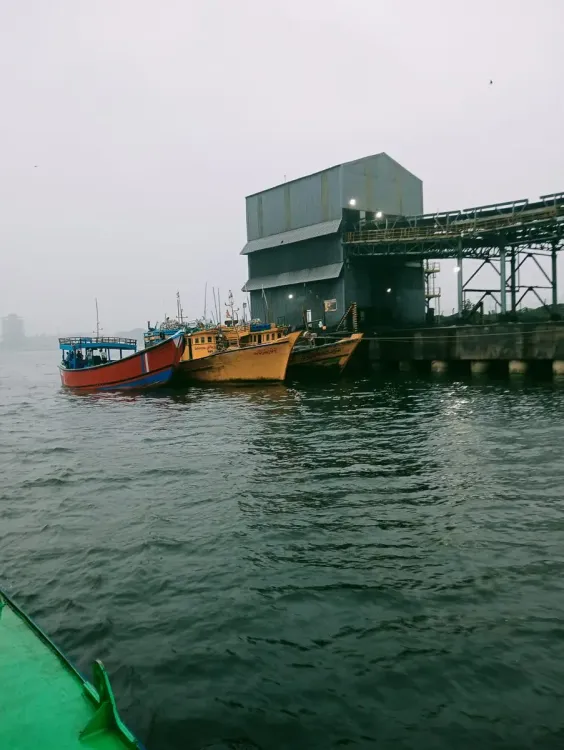
When Cyclone Akvan bore down on India's east coast, Paradip Port did not wait for orders — it opened its gates. Union Minister of Ports, Shipping and Waterways Sarbananda Sonowal on Thursday, November 19, 2026, praised the port's swift humanitarian response after its team sheltered 54 fishermen and secured 6 vessels ahead of the storm.
54 fishermen, 6 vessels, one decisive call
Posting on X, Sonowal called it 'commendable, timely action,' adding that the response 'reflects our deep commitment to maritime safety and humanitarian duty.' The numbers are modest in scale but pointed in meaning: each of those 54 lives represents a coastal family whose breadwinner came home because a port team moved fast.
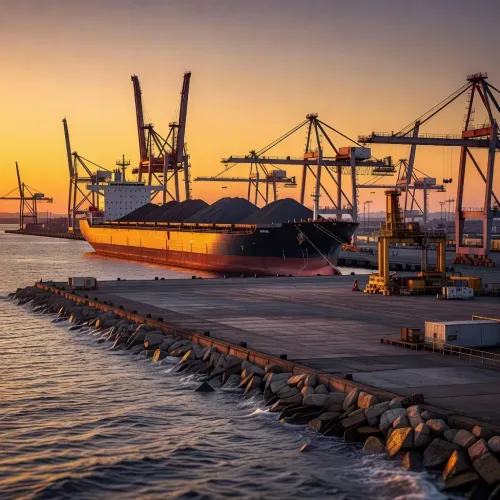
Paradip Port, located on the Odisha coast, sits squarely in India's cyclone corridor — a geography that makes preparedness not optional but existential. The port handles massive volumes of bulk cargo year-round and has periodically faced the full force of Bay of Bengal storm systems.
Lessons from Fani, embedded in protocol
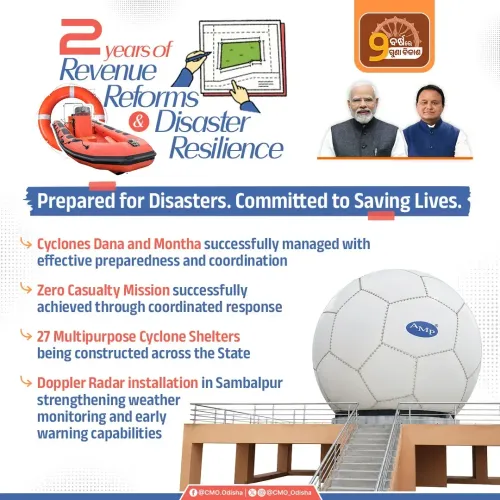
India's port authorities have spent years hardening their cyclone playbooks. The devastation wrought by Cyclone Fani in 2019 along the same Odisha coastline accelerated integration of early-warning systems and mandatory shelter protocols across major ports, coordinated closely with the India Meteorological Department. What Paradip's team executed during Akvan is precisely the drill those post-Fani reforms envisioned — shelter the vulnerable, secure the vessels, eliminate preventable loss of life.
The Sagarmala Project, launched in 2015, underpins much of this institutional muscle. Port modernisation under Sagarmala has included safety infrastructure upgrades at Paradip and other major ports, weaving disaster resilience into what was originally conceived as a port-led economic development initiative.
Maritime India Vision 2030 and the safety benchmark
Sonowal's ministry has consistently framed maritime safety as a non-negotiable pillar of Maritime India Vision 2030, the long-term blueprint governing port development, shipping capacity, and coastal connectivity. Incidents like Cyclone Akvan test whether that vision is rhetoric or reality — and Paradip's response on November 19 landed firmly on the side of reality.
Coastal fishing communities remain among India's most economically exposed populations during cyclone season. When port authorities treat their protection as a core operational mandate rather than an afterthought, it sets a benchmark every port along the 7,500-kilometre Indian coastline can be measured against.
Fifty-four fishermen are safe tonight. The standard has been set — now the question is who meets it next.
Point of View
Signalling to port trusts across the coastline that such action is expected, not exceptional. This sits within a deliberate policy arc: the Ministry of Ports has increasingly positioned maritime safety and community protection as integral to, not separate from, the commercial port development agenda under Sagarmala and Maritime India Vision 2030. The post also carries quiet political utility for the BJP government in Odisha, where coastal fishing communities are a significant constituency. How consistently this standard is applied across India's 12 major ports ahead of future cyclone seasons will be the real test of institutional depth.
NationPress
19 Nov 2026
Frequently Asked Questions
What happened at Paradip Port during Cyclone Akvan?
During Cyclone Akvan, Paradip Port's team sheltered 54 fishermen and secured 6 vessels as the storm threatened Odisha's coast on November 19, 2026 . Union Minister Sarbananda Sonowal praised the action as a reflection of India's maritime safety commitment.
Where is Paradip Port and why is it cyclone-prone?
Paradip Port is located on the Odisha coastline along the Bay of Bengal , a region frequently hit by severe cyclonic storms. It is one of India's major east-coast ports handling bulk cargo and has faced major storms including Cyclone Fani in 2019.
What is India's Sagarmala Project and how does it relate to cyclone safety?
The Sagarmala Project , launched in 2015 , is a government programme for port-led development that includes modernisation and safety upgrades at major ports. These upgrades have strengthened cyclone preparedness infrastructure, including shelter facilities for coastal communities.
What is Maritime India Vision 2030?
Maritime India Vision 2030 is the Ministry of Ports, Shipping and Waterways' long-term blueprint for port capacity expansion, shipping growth, and coastal connectivity, with maritime safety listed as a core pillar alongside commercial and economic targets.
How did Cyclone Fani change India's port cyclone protocols?
Cyclone Fani (2019) , which devastated parts of Odisha, prompted Indian port authorities to accelerate integration of early-warning systems and formalise shelter protocols for fishing communities, coordinated with the India Meteorological Department .