Surging Paraffin Wax Prices Challenge Thoothukudi's Safety Match Industry Amid Iran Import Delays
Synopsis
In a troubling turn of events, the safety match industry in Thoothukudi faces significant challenges as paraffin wax prices spike due to Iranian import disruptions. This situation threatens the livelihoods of many, particularly women, working in the region's match manufacturing units.
Key Takeaways
Paraffin wax prices have risen from Rs 80 to Rs 130 per kg.
Delays in imports from Iran are the primary cause.
The price increase is affecting production costs for manufacturers.
Local alternatives are of lower quality than imported wax.
A decline in production could impact over five lakh women employed in this industry.
Thoothukudi, March 10 (NationPress) The safety match sector in southern Tamil Nadu is encountering new hurdles as the cost of paraffin wax—an essential ingredient in the production of safety matches—has surged dramatically in the last two weeks.
The price of paraffin wax has escalated from approximately Rs 80 per kilogram to around Rs 130 per kilogram, largely due to import delays from Iran, a primary supplier of this material to Indian manufacturers.
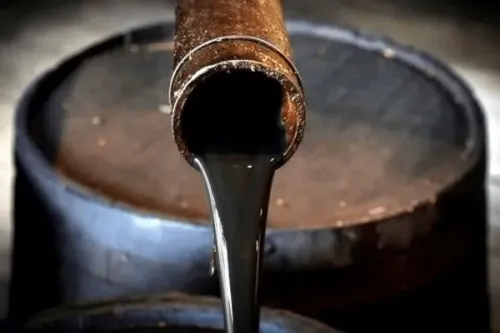
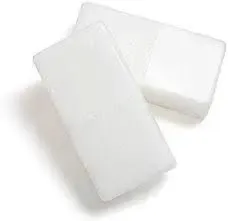
Paraffin wax, derived from petroleum, is extensively utilized in various industries such as candle crafting, packaging, and match production because of its properties that enable smooth ignition and consistent burning.
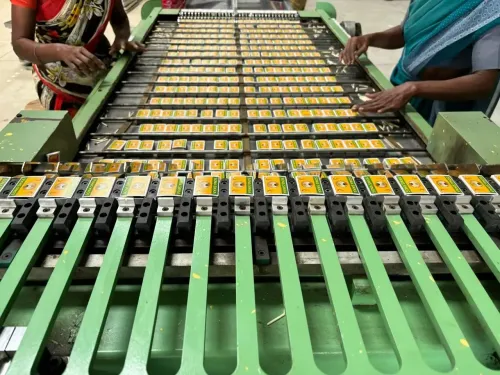
Within the safety match sector, it serves both as a coating on wooden matchsticks and as a vital component in wax safety matches, ensuring that the flame travels effectively along the stick.
Manufacturers in the match-producing regions of Thoothukudi and adjoining districts report that the sharp increase in prices has been instigated by supply disruptions related to the ongoing conflict in West Asia.
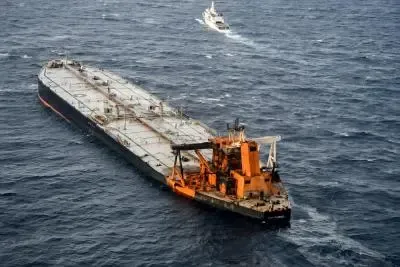
The turmoil has hindered the movement of shipments from Iran, impacting the availability of premium quality paraffin wax that is crucial for many Indian match manufacturers. Iran stands out as a significant global exporter of paraffin wax, delivering various grades of this petroleum-based product to markets throughout Asia and beyond.
The imported wax is typically favored by match producers due to its superior quality and enhanced oil content, which optimizes matchstick performance during ignition and combustion. In light of insufficient imports, some manufacturers have started sourcing paraffin wax locally from Chennai Petroleum Corporation Limited (CPCL).
Nevertheless, industry experts indicate that domestically produced wax has a comparatively lower oil content and does not measure up to the quality of the imported Iranian wax, rendering it less suitable for specific match production types.
The significant rise in paraffin wax prices is beginning to strain the economics of match manufacturing.
Producers estimate that this price surge could elevate production costs by at least ₹10 per carton, which contains 600 matchboxes.
Despite the uptick in input costs, manufacturers struggle to increase selling prices due to fierce competition and market limitations.
Industry analysts caution that if import disruptions from Iran persist and supplies remain constrained, match manufacturers may soon deplete their stock.
A prolonged shortage of paraffin wax could hinder production across match units in southern Tamil Nadu. The safety match industry in this region provides employment to a significant workforce, especially for women working in small and medium enterprises.
A decline in production could, therefore, have grave economic ramifications, potentially jeopardizing the livelihoods of over five lakh women reliant on this industry for their jobs.
Point of View
The rising cost of paraffin wax due to disruptions in Iranian imports poses a significant challenge not only to the match industry in Thoothukudi but also to the livelihoods of thousands of workers, particularly women. The situation warrants close monitoring as it has the potential to impact local economies and employment significantly.
NationPress
19 Sept 2026
Frequently Asked Questions
What caused the rise in paraffin wax prices?
The increase in paraffin wax prices is primarily due to delays in imports from Iran, a major supplier, linked to the ongoing conflict in West Asia.
How has this price increase affected match manufacturers?
Manufacturers estimate that the price hike could raise production costs by at least ₹10 per carton of 600 matchboxes, complicating their ability to maintain competitive pricing.
What alternatives are manufacturers considering?
Some manufacturers have begun sourcing paraffin wax domestically from Chennai Petroleum Corporation Limited (CPCL), although this wax is of lower quality compared to the imported Iranian product.
What is the potential impact on employment?
A decline in production due to paraffin wax shortages could adversely affect the livelihoods of over five lakh women employed in the safety match industry in Tamil Nadu.
What industries use paraffin wax?
Paraffin wax is widely used in the candle-making, packaging, and match production industries due to its properties that enhance ignition and burning.