Karnataka Dy CM Parameshwara: 15 lakh housing sites to prioritise poor families
Synopsis
Karnataka's Deputy CM G. Parameshwara has directed officials to urgently push through a scheme distributing 15 lakh housing sites to poor families, with 24,000 acres already earmarked. At the same review meeting, he flagged that ₹5,000 drought relief had not reached farmers two months after announcement and that 23 lakh people were wrongly cleared for pensions — exposing a wider accountability crisis in the state's welfare machinery.
Key Takeaways
Parameshwara on 20 November directed officials to fast-track distribution of 15 lakh housing sites to poor families.
Around 24,000 acres of land have already been identified for the scheme, aligned with CM D.K.
Shivakumar's vision. ₹5,000 drought relief for eligible farmers remains undisbursed in several districts, more than two months after announcement.
A proposal for an additional ₹30 crore for fodder seed kit distribution has been submitted for examination.
Around 23 lakh people were found ineligible for pension benefits due to lapses in initial verification.
Parameshwara warned that negligence and administrative delays would not be tolerated and called for transparency and accountability.
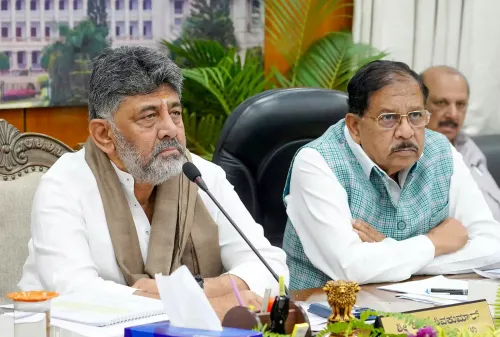
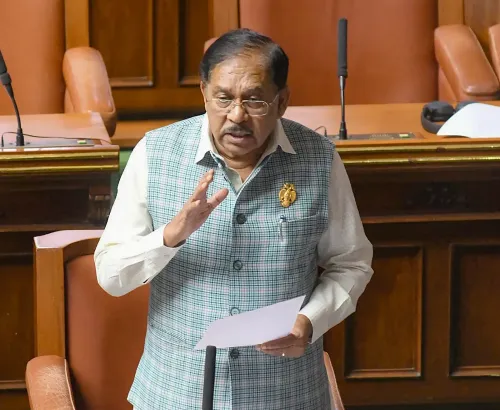
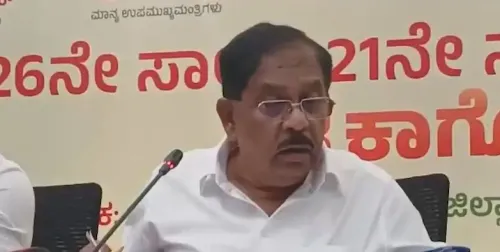
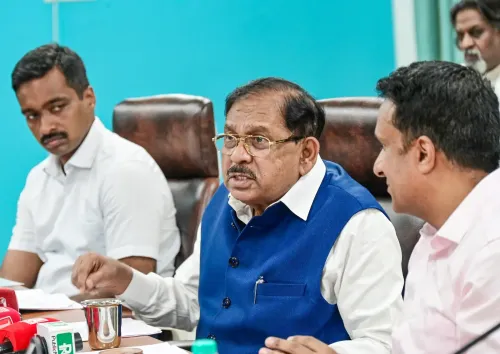
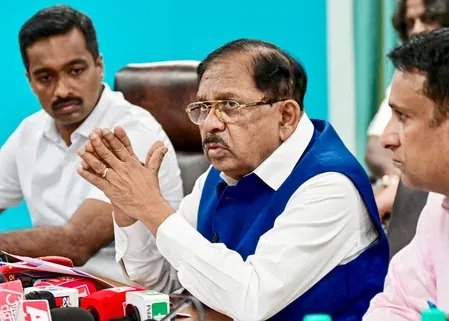
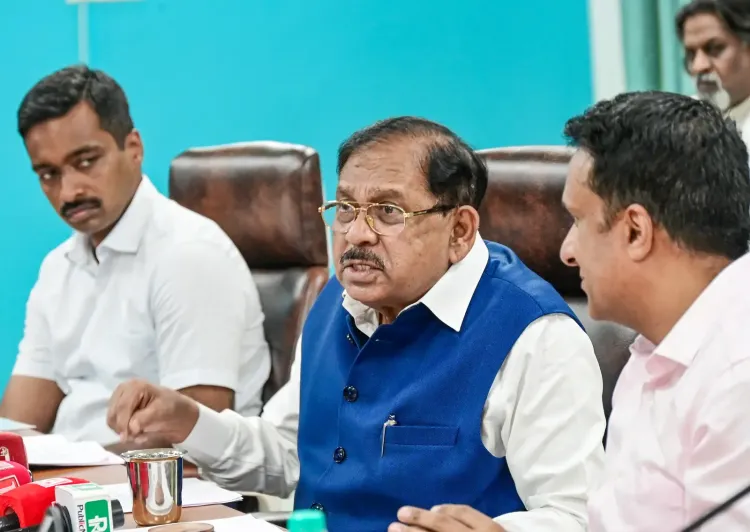
Karnataka Deputy Chief Minister and Revenue Minister G. Parameshwara on Friday, 20 November directed officials to fast-track the distribution of 15 lakh housing sites to poor families, calling it one of the state government's foremost priorities. Speaking at a progress review meeting with Deputy Commissioners and Assistant Commissioners at Vikasa Soudha, Bengaluru, he emphasised that eligible beneficiaries must be identified without delay and all land-related procedures completed on time.
Scheme Scale and Land Identified
Around 24,000 acres of land have already been earmarked for the housing site distribution drive. Parameshwara said the scheme is aligned with Chief Minister D.K. Shivakumar's vision of providing permanent housing security to economically weaker sections. Despite multiple development programmes over the years, he noted, a significant number of poor families continue to live in temporary huts — a situation he described as a matter of serious concern.
Officials were instructed to identify bottlenecks, examine reasons for administrative delays and present concrete solutions to ensure targets are met within the stipulated timeframe. Parameshwara warned that negligence and avoidable delays would not be tolerated, noting that while some districts had shown satisfactory progress, others had fallen behind.
Drought Crisis and Farmer Relief Delays
The Deputy Chief Minister expressed grave concern over Karnataka's severe drought, attributing its intensity to the impact of Super El Niño. He said no district had reported a good crop, and the northeast monsoon had also remained below expectations. Officials were directed to conduct a comprehensive assessment of the drought's impact on agriculture and other sectors, and to initiate preventive and relief measures without further delay.
Parameshwara pulled up officials over the tardy disbursement of the ₹5,000 drought relief announced for every eligible farmer, noting that the exercise remained incomplete in several districts even two months after the announcement. 'Government announcements cannot remain only on paper. They must be implemented effectively. What answer do we give farmers who are still waiting for relief?' he said, directing immediate corrective action.
He also directed Deputy Commissioners to ensure adequate drinking water supply for residents and sufficient fodder for livestock. A proposal seeking an additional ₹30 crore for fodder seed kit distribution has been submitted and is under examination, he said, adding that advance measures must be taken to prevent fodder shortages.
Pension Verification and Accountability Drive
On welfare administration, Parameshwara disclosed that around 23 lakh people had been identified as ineligible for pension benefits in the state, pointing to lapses in the initial verification process. He directed officials to undertake a thorough review to ensure that genuinely eligible beneficiaries are not excluded and that ineligible individuals are removed from the rolls.
Reviewing the Revenue Department and Youth Empowerment and Sports Department programmes, he called for transparency, speed and accountability. 'What matters is not progress reports, but whether the actual benefits of government programmes are reaching the people. Administrative efficiency must be demonstrated by achieving targets within the prescribed timelines,' he said.
Officials Present at the Review Meeting
Senior officials including Principal Secretary, Youth Empowerment and Sports Department, Naveen Raj Singh; Revenue Department and State Disaster Management Secretary Manoj Kumar Meena; Agriculture Department Secretary Trilok Chandra; Revenue Commissioner Meena Nagaraj; Commissioner for Survey, Settlement and Land Records Rakesh Kumar; State Disaster Management Commissioner Honnamba; and Commissioner for Youth Empowerment and Sports M.N. Anucheth attended the meeting.
With sectoral timelines now firmly in focus, the coming weeks will test whether the Karnataka government can convert its welfare commitments into ground-level delivery before the drought and housing crises deepen further.
Point of View
000 drought relief sitting undisbursed two months after announcement, and 23 lakh pension beneficiaries wrongly cleared, are not isolated failures — they point to systemic verification and administrative coordination gaps that no single review meeting can fix. The 15 lakh housing site scheme, backed by 24,000 acres already identified, has better infrastructure behind it, but the state's track record on beneficiary identification and land titling suggests the real bottleneck lies ahead, not behind. Without a credible district-level accountability mechanism, these targets risk becoming another headline absorbed into Karnataka's long catalogue of welfare schemes that promised more than they delivered.
NationPress
20 Nov 2026
Frequently Asked Questions
What is the Karnataka housing site distribution scheme?
It is a Karnataka government scheme to distribute 15 lakh residential sites to poor families, in line with Chief Minister D.K. Shivakumar's housing agenda. Around 24,000 acres of land have already been identified for the purpose, and officials have been directed to expedite beneficiary identification and land procedures.
Why has Dy CM Parameshwara pulled up Karnataka officials?
Parameshwara criticised officials for delays in disbursing ₹5,000 drought relief to eligible farmers — an exercise still incomplete in some districts more than two months after the announcement. He also flagged poor progress on fodder seed kit distribution and lapses in pension beneficiary verification.
How severe is the drought situation in Karnataka?
Karnataka is experiencing a severe drought attributed to the impact of Super El Niño, with no district reporting a good crop and the northeast monsoon also falling below expectations. The state government has issued several directions to address farmer distress, though implementation gaps remain.
What is the issue with Karnataka's pension beneficiary list?
Around 23 lakh people have been identified as ineligible for pension benefits in the state, pointing to inadequate initial verification. Dy CM Parameshwara has directed a comprehensive review to remove ineligible recipients and ensure genuinely eligible beneficiaries are not excluded.
What is the ₹30 crore proposal mentioned by Parameshwara?
A proposal seeking an additional ₹30 crore has been submitted to expand the distribution of fodder seed kits to farmers facing livestock fodder shortages amid the drought. Parameshwara said the proposal is under examination and directed officials to take advance measures to prevent further fodder shortfalls.