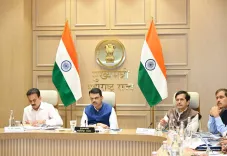
CM Hemant Soren Meets UNICEF Child Journalists on World Children's Day
Synopsis
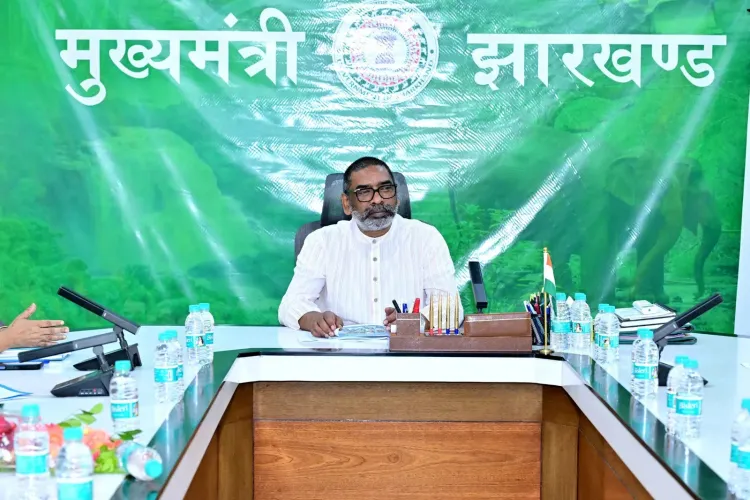
On World Children's Day, 20 November 2026, Jharkhand Chief Minister Hemant Soren met UNICEF India's child journalists for a wide-ranging conversation on child rights, with the Chief Minister's Office calling the dialogue 'meaningful' and significant.
Key Takeaways
Jharkhand Chief Minister Hemant Soren met UNICEF India child journalists on 20 November 2026 , World Children's Day.
The dialogue covered 'various issues related to child rights,' according to the Chief Minister's Office.
World Children's Day marks the anniversary of the 1989 UN Convention on the Rights of the Child , ratified by India in 1992 .
UNICEF India facilitates child journalist programmes to give young people direct access to policymakers.
Jharkhand is a key state for UNICEF's field programmes, covering child nutrition, education, and protection.
No specific policy announcements or new schemes were confirmed from the meeting.
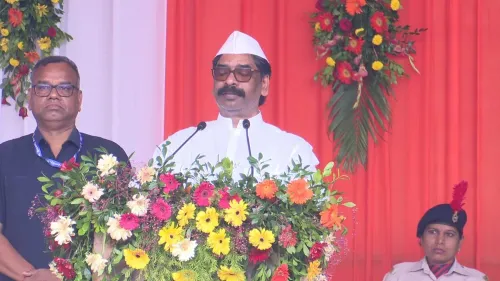
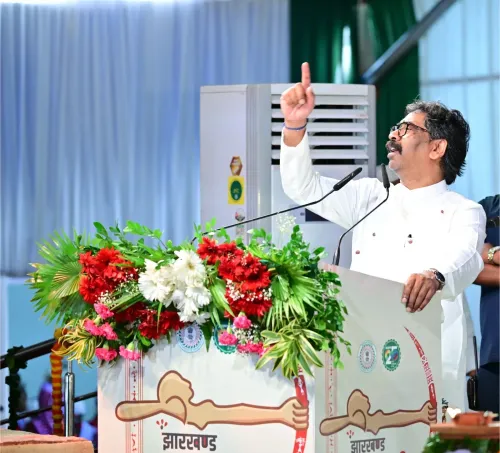
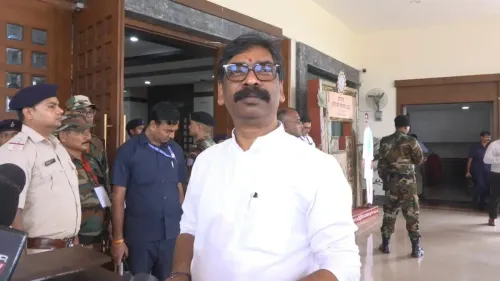
On World Children's Day, 20 November 2026, young voices walked into the office of Jharkhand Chief Minister Hemant Soren — not as petitioners, but as journalists. UNICEF India's child reporters sat across from the Chief Minister for a candid conversation on child rights, marking one of the most direct state-level engagements with young citizens this year.
Child journalists, real questions, the CM's office
The meeting was organised by UNICEF India to coincide with World Children's Day, observed every year on 20 November — the anniversary of the 1989 adoption of the UN Convention on the Rights of the Child (UNCRC). The Chief Minister's Office described the dialogue as a 'sarthak samvad' (meaningful conversation) on 'various issues related to child rights.' The child journalists, trained and facilitated by UNICEF, represent a model that gives children a direct platform to engage with power — asking the questions most adults do not.
Jharkhand, UNICEF, and the child-rights landscape
India ratified the UNCRC in 1992 and followed up with a National Policy for Children in 2013, laying a legal and policy foundation that state governments are expected to operationalise. Jharkhand — with significant tribal and rural populations — has been among the states where UNICEF India maintains an active field presence, working on child nutrition, education access, and protection from trafficking and child labour. Chief Minister Hemant Soren, leading the Jharkhand Mukti Morcha government, has positioned welfare schemes and tribal rights at the centre of his administration since his first term in 2019.
Engagements like today's are part of a broader pattern across Indian states where UNICEF leverages international observance days to push child-rights conversations to the highest levels of government. While such meetings are largely ceremonial in structure, they carry quiet political weight — placing issues like child nutrition, school dropout rates, and child marriage directly on a Chief Minister's agenda, even if only for an afternoon.
Why this date carries weight
20 November is not an arbitrary calendar marker. It is the day the global community agreed — in 1989 — that children possess inalienable rights independent of the states they are born into. For a state like Jharkhand, where intersecting vulnerabilities of poverty, geography, and social exclusion sharpen the stakes around those rights, the symbolism of a sitting Chief Minister hearing from child journalists directly is a pointed one. Whether the conversation translates into concrete follow-up from the Jharkhand government or UNICEF's state-level programmes remains the question worth watching.
Point of View
Keeping child welfare politically visible even without binding outcomes. For Hemant Soren, the optic of engaging UNICEF's child journalists plays into a broader welfare-state narrative the JMM government has cultivated since 2019. The real policy test, however, is whether Jharkhand's budget allocations and administrative machinery for child protection match the symbolism of such conversations. Nationally, the engagement reflects a growing expectation that state governments, not just the Centre, bear accountability for UNCRC commitments made over three decades ago.
NationPress
20 Nov 2026
Frequently Asked Questions
Why did UNICEF child journalists meet Jharkhand CM Hemant Soren?
UNICEF India organised the meeting on World Children's Day, 20 November 2026, so child journalists could engage directly with Chief Minister Hemant Soren on child rights issues in Jharkhand.
What is World Children's Day and why is it observed on 20 November?
World Children's Day is observed every year on 20 November to mark the date in 1989 when the United Nations adopted the Convention on the Rights of the Child, a landmark international treaty on child rights.
What did Hemant Soren and UNICEF child journalists discuss?
The Chief Minister's Office described the conversation as a 'meaningful dialogue' on various child rights issues, though specific details of what was discussed have not been officially released.
What is UNICEF India's role in Jharkhand?
UNICEF India maintains an active presence in Jharkhand, working on child nutrition, education access, and protection from trafficking and child labour, collaborating with the state government on these issues.
Has India ratified the UN Convention on the Rights of the Child?
Yes, India ratified the UN Convention on the Rights of the Child in 1992 and subsequently adopted a National Policy for Children in 2013 to guide implementation at the national and state levels.