BJP's Sambit Patra defends ECI, cites TMC wins in high-deletion seats
Synopsis
BJP's Sambit Patra turned Opposition 'vote chori' allegations on their head by pointing out that Trinamool Congress — not BJP — won 13 of the 20 West Bengal seats with the highest electoral-roll deletions. The data-point is the sharpest counter-punch yet in a widening row over the Election Commission's SIR exercise, triggered by a report that two Election Commissioners raised 14 formal objections over 10 months.
Key Takeaways
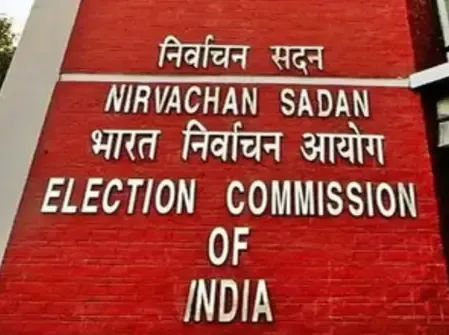
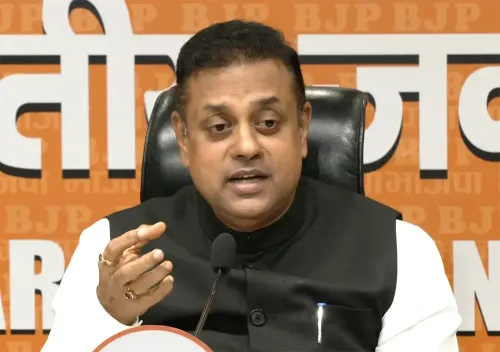
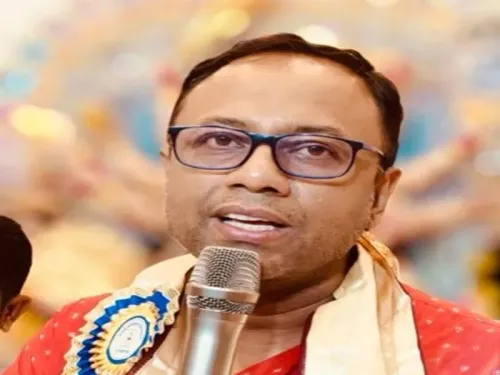
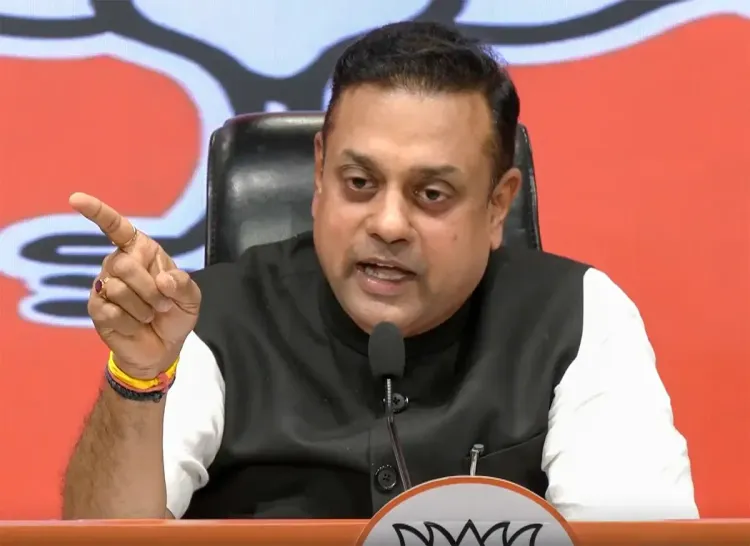
BJP spokesperson and MP Sambit Patra held a press conference on 23 September at BJP headquarters, New Delhi , defending the Election Commission of India .
A report in The Indian Express revealed Election Commissioners Sukhbir Singh Sandhu and Vivek Joshi raised 14 formal objections over 10 months to Commission decisions, including on the Special Intensive Revision (SIR) .
Patra cited West Bengal data showing Trinamool Congress won 13 of the 20 constituencies with the highest electoral-roll deletions, against BJP's 6 , to rebut 'vote chori' claims.
He invoked the BJP-NDA alliance's mixed electoral record from 2014–2024 to challenge claims the ECI was biased in the ruling party's favour.
Patra raised the appointment of former Election Commissioner Navin Chawla and former CEC N.
Gopalaswami's objections to counter Congress criticism of the current Commission.
He defended the reformed appointment process, noting it now includes the Leader of the Opposition as a transparency measure endorsed by the Supreme Court .
BJP national spokesperson and Member of Parliament Sambit Patra on Wednesday, 23 September mounted a forceful defence of the Election Commission of India (ECI), arguing that internal deliberations among Election Commissioners reflect institutional health, not dysfunction. Speaking at a press conference at the BJP headquarters in New Delhi, Patra pushed back against Opposition allegations over the Special Intensive Revision (SIR) of electoral rolls.
The Trigger: 14 Objections Over 10 Months
Patra's remarks followed a report in The Indian Express dated 23 September that Election Commissioners Sukhbir Singh Sandhu and Vivek Joshi had raised 14 formal objections over 10 months to Commission decisions, including those relating to the SIR of electoral rolls. Patra reframed this as evidence of healthy consultative process, saying the Commissioners had completed 14 rounds of official deliberations before arriving at consensus on the SIR exercise. He questioned why the Opposition treated internal debate among constitutional functionaries as a liability rather than a sign of democratic vigour.
The 'Vote Chori' Counter-Argument
Addressing the Opposition's 'vote chori' — or vote theft — narrative directly, Patra cited electoral data from West Bengal that he said contradicted the allegation. He pointed out that among the 20 constituencies with the highest number of deleted names from electoral rolls, the Trinamool Congress (TMC) won 13 while the BJP won six. 'If deletion of names from electoral rolls benefits the BJP, then how does the Opposition explain the TMC winning the majority of these constituencies?' Patra asked, calling on critics to examine the electoral data before making 'sweeping allegations.'
BJP's Mixed Electoral Record Cited as Rebuttal
Patra also invoked the BJP-NDA alliance's broader electoral track record between 2014 and 2024, noting that the alliance had won some elections and lost others, formed governments in some states and ceded power in others. He argued this record undermined claims that the Election Commission was being 'managed' in the BJP's favour, adding that the ultimate verdict in any democracy rests with voters, not institutions.
Congress and Past Appointment Controversies
Turning the tables on the Indian National Congress (INC), Patra raised the appointment of former Election Commissioner Navin Chawla, citing concerns raised by former Chief Election Commissioner N. Gopalaswami about Chawla's alleged political proximity to the Congress. He also referenced newspaper headlines from that period suggesting that Sonia Gandhi had played a role in appointing a Chief Election Commissioner, questioning what constitutional authority she held at the time to exercise such influence.
On the Current Appointment Mechanism
Defending the present framework, Patra noted that the current appointment process now includes the Leader of the Opposition — a reform he described as a transparency strengthening measure. He urged all political parties to respect the process, which he said had been upheld by the Supreme Court. Patra also challenged the Opposition to clarify which electoral institutions it did trust, given its stated reservations about the Election Commission, SIR, and Electronic Voting Machines (EVMs) simultaneously. The Election Commission, he noted, had already issued its own response to the controversy.
Point of View
And on what specific grounds? Framing internal dissent as proof of 'vibrant democracy' is a rhetorical move, not an answer. The Opposition's credibility suffers from fighting on too many fronts — ECI, SIR, and EVMs simultaneously — but the BJP's counter-narrative is equally incomplete without transparency on what those 14 objections actually said.
NationPress
23 Sept 2026
Frequently Asked Questions
What did Sambit Patra say about the Election Commission controversy?
Sambit Patra said that the 14 formal deliberations among Election Commissioners before consensus on the SIR exercise represented healthy democratic functioning, not discord. He argued that parties which had repeatedly lost elections were targeting constitutional institutions and called on the Opposition to examine electoral data before making allegations of 'vote chori.'
What is the Special Intensive Revision (SIR) of electoral rolls?
The Special Intensive Revision is an exercise conducted by the Election Commission of India to update and clean electoral rolls, which can include adding new voters and deleting invalid or duplicate entries. It became controversial after a report revealed that two Election Commissioners raised 14 formal objections to Commission decisions related to the process over a period of 10 months.
How did Patra counter the 'vote chori' allegation using West Bengal data?
Patra pointed out that among the 20 West Bengal constituencies with the highest number of deleted names from electoral rolls, Trinamool Congress won 13 and BJP won only six. He argued this directly contradicted the claim that electoral-roll deletions were engineered to benefit the BJP.
Which Election Commissioners raised objections, and how many?
According to a report in The Indian Express dated 23 September, Election Commissioners Sukhbir Singh Sandhu and Vivek Joshi raised 14 formal objections over 10 months to the Commission's decisions, including those linked to the Special Intensive Revision of electoral rolls.
What historical examples did Patra cite against the Congress?
Patra referenced former Chief Election Commissioner N. Gopalaswami's concerns about the appointment of Navin Chawla as Election Commissioner and Chawla's alleged political proximity to the Congress. He also cited newspaper reports from that period suggesting Sonia Gandhi had played a role in appointing a Chief Election Commissioner, questioning the constitutional basis for such influence.