Petrol, diesel under GST: BJD MP Sasmit Patra urges FM Sitharaman to act
Synopsis
BJD Rajya Sabha MP Sasmit Patra has formally urged Finance Minister Nirmala Sitharaman to restart GST Council deliberations on including petrol and diesel under GST — but with a crucial caveat: a phased, state-compensated framework rather than an abrupt shift. The move revives one of India's most politically charged tax reform debates, with billions in state revenues hanging in the balance.
Key Takeaways
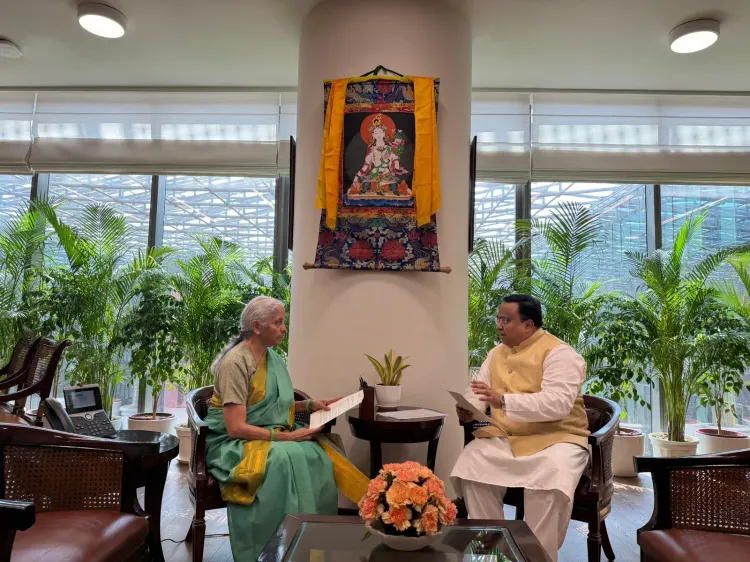
Rajya Sabha MP Sasmit Patra (BJD) met Finance Minister Nirmala Sitharaman on 20 May to formally request GST inclusion of petrol and diesel.
He cited Article 279A(5) of the Constitution, which already envisages petroleum products entering the GST framework via a GST Council recommendation.
Patra proposed a phased framework with a calibrated GST slab, transitional state compensation, a revenue-protection cess, and a fiscal stabilisation formula.
He called for a dedicated technical and fiscal working group to examine implementation models and build national consensus.
Fuel taxes are a major source of state revenue; no Finance Ministry response has been confirmed as yet.
Rajya Sabha MP Sasmit Patra met Finance Minister Nirmala Sitharaman in New Delhi on Wednesday, 20 May and submitted a formal representation calling for structured national deliberations on bringing petrol and diesel under the Goods and Services Tax (GST) framework. The Biju Janata Dal (BJD) MP argued that prevailing economic conditions make a fresh, consultative reconsideration of the issue both timely and necessary.
Constitutional Basis for Inclusion
Patra underscored that Article 279A(5) of the Constitution already contemplates the eventual inclusion of petroleum products within GST, subject to a recommendation by the GST Council. He noted that the Council had previously deliberated on the matter following directions from the Kerala High Court, but no definitive action followed. In his view, the economic landscape has shifted sufficiently to warrant reopening the discussion.
Why Fuel Prices Matter Beyond the Pump
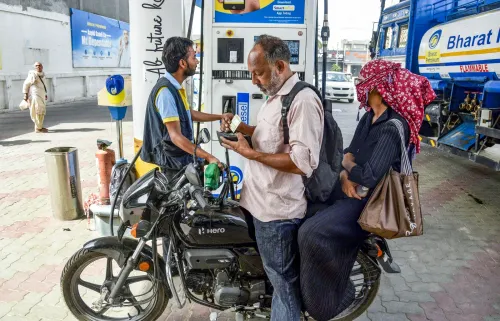
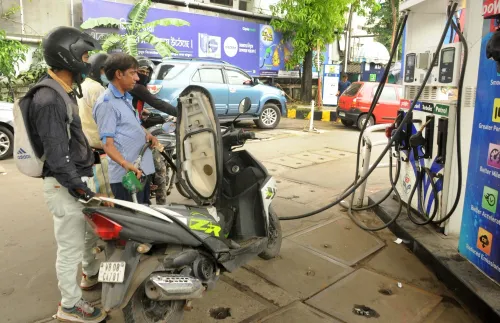
The BJD MP laid out a broad economic case, arguing that fuel prices have cascading effects on inflation, transportation and logistics costs, agricultural input costs, MSME operating expenditure, and household consumption patterns nationwide. He also flagged that persistent interstate disparities in VAT structures continue to undermine the tax-harmonisation and market-integration objectives that GST was designed to achieve.
Drawing on Odisha's profile as a major mining, industrial, and logistics-intensive state, Patra argued that a calibrated GST inclusion could meaningfully lower freight and supply-chain costs, sharpen industrial competitiveness, and deliver tangible relief to farmers, transport operators, and small businesses.
A Phased, Balanced Framework — Not Immediate Inclusion
Notably, Patra did not advocate an abrupt or unconditional shift. Acknowledging states' legitimate concerns over revenue stability — petroleum taxes are among the largest contributors to state finances — he proposed a phased framework that would include a calibrated GST slab structure, transitional compensation support for states, a limited revenue-protection cess mechanism, and a formula-based fiscal stabilisation arrangement during the transition period.
This comes amid a long-running debate in which states have resisted ceding petroleum tax revenues, while industry bodies and consumers have repeatedly called for rationalisation. The Centre has so far deferred the question, citing revenue-sharing sensitivities.
Patra's Recommendations to the Finance Minister
In his representation, Patra requested Sitharaman to facilitate broad-based consultations with all states and to consider constituting a dedicated technical and fiscal working group to examine implementation models and build national consensus on phased integration of petroleum products within the GST architecture. The proposal, if taken up, would require the GST Council — which includes both the Centre and all state finance ministers — to arrive at a collective recommendation.
What Happens Next
There is no official confirmation yet from the Finance Ministry on whether the representation will be placed before the GST Council. Industry observers note that any move on petroleum GST would require extensive political groundwork given the revenue stakes involved for states. The next GST Council meeting will be closely watched for any signal on the issue.
Point of View
And no GST compensation formula has yet won their trust. Patra's phased-framework proposal is more pragmatic than past calls for outright inclusion, but the GST Council has deferred this question for years precisely because the revenue-sharing arithmetic does not add up for most states. The real test is whether the Finance Ministry is willing to commission a credible, public fiscal impact study — without that, the working group idea risks becoming another consultative exercise that produces no binding outcome. India's fragmented fuel-tax structure continues to distort logistics costs and hit MSMEs hardest, making this a reform whose economic case grows stronger with every year it is delayed.
NationPress
14 Sept 2026
Frequently Asked Questions
What did MP Sasmit Patra request from Finance Minister Nirmala Sitharaman?
Patra submitted a formal representation urging Sitharaman to initiate structured GST Council deliberations on including petrol and diesel under GST. He proposed a phased, state-compensated framework rather than immediate unconditional inclusion.
Is there a constitutional basis for bringing petrol and diesel under GST?
Yes. Article 279A(5) of the Indian Constitution already envisages the inclusion of petroleum products within GST, subject to a recommendation by the GST Council. The Council had previously discussed the matter following Kerala High Court directions but took no final decision.
Why have petrol and diesel not been included under GST so far?
Petroleum taxes — primarily VAT levied by states — are among the largest contributors to state revenues. States have resisted inclusion citing revenue-stability concerns, and the GST Council has repeatedly deferred the issue due to the complex revenue-sharing implications.
What safeguards did Patra propose for states?
Patra advocated a calibrated GST slab structure, transitional compensation support for states, a limited revenue-protection cess mechanism, and a formula-based fiscal stabilisation framework during the transition period to address states' revenue concerns.
What is the likely next step after this representation?
There is no official confirmation yet from the Finance Ministry. Any move would require the GST Council — comprising the Union Finance Minister and all state finance ministers — to arrive at a collective recommendation. The next GST Council meeting will be closely watched for any signal on the matter.