Pawan Khera gets SC anticipatory bail in Assam FIR case, hails Constitution
Synopsis
The Supreme Court overturned the Gauhati High Court's denial of anticipatory bail to Congress leader Pawan Khera, invoking Article 21 to rule that individual liberty cannot be jeopardised lightly — a verdict his party says exposes the misuse of arrest as a tool of political pressure.
Key Takeaways
The Supreme Court on 1 May granted anticipatory bail to Congress leader Pawan Khera , setting aside the Gauhati High Court order that had denied pre-arrest protection.
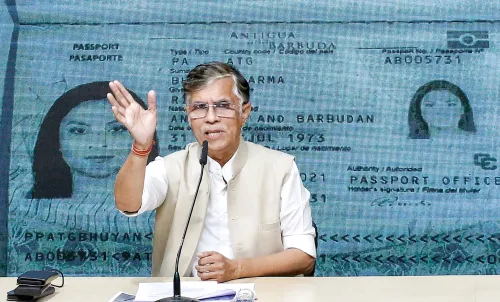
The FIR was lodged in Assam over Khera's alleged remarks against Riniki Bhuyan Sarma , wife of Chief Minister Himanta Biswa Sarma .
A bench of Justices J.K.
Maheshwari and Atul S.
Chandurkar cited Article 21 , stating individual liberty cannot be jeopardised lightly.
Khera must cooperate with police, not tamper with evidence, and seek court permission before leaving India.
Abhishek Manu Singhvi argued the ruling reinforces the "triple test" that must be met before any arrest is made.
Jairam Ramesh said the verdict reaffirms that "the flame of justice is very much alive" in India.
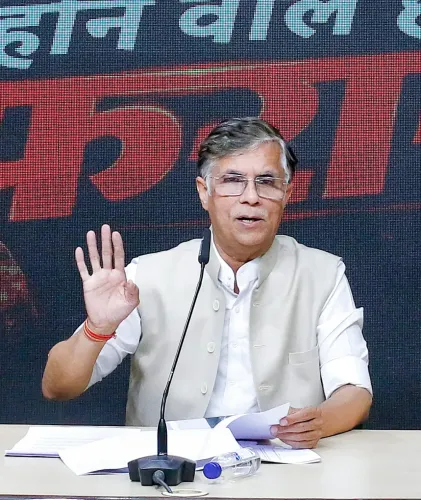
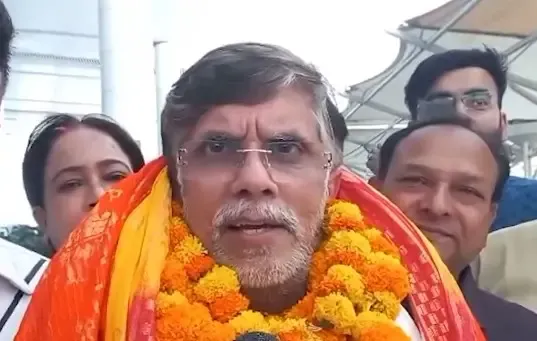
Congress leader Pawan Khera on 3 May hailed the Supreme Court's decision granting him anticipatory bail in connection with an FIR lodged over his alleged remarks against Riniki Bhuyan Sarma, wife of Assam Chief Minister Himanta Biswa Sarma. Speaking at the Delhi airport, where Congress workers gathered to welcome him, Khera said the Constitution protects those "fighting against an oppressive government".
What the Supreme Court Ruled
A bench of Justices J.K. Maheshwari and Atul S. Chandurkar on 1 May set aside the Gauhati High Court's earlier order that had denied Khera pre-arrest protection. The bench observed that while investigation must proceed with integrity, individual liberty under Article 21 of the Constitution cannot be jeopardised lightly.
The top court directed that Khera be released on anticipatory bail in the event of arrest, subject to reasonable conditions imposed by the investigating officer. He has been asked to cooperate with the investigation, appear before police as and when required, refrain from influencing witnesses or tampering with evidence, and not leave India without prior permission of the competent court.
Khera's Remarks After the Relief
Addressing media at the Delhi airport, Khera said, "The Constitution helps everyone. Whenever someone is in trouble or fighting against an oppressive government, the B.R. Ambedkar's Constitution ensures that they are protected. The relief I received from the Supreme Court is also because of the same Constitution."
The Congress leader's comments drew attention to the broader political context of the case, which his party has characterised as an instance of political targeting through legal mechanisms.
Congress Party's Response
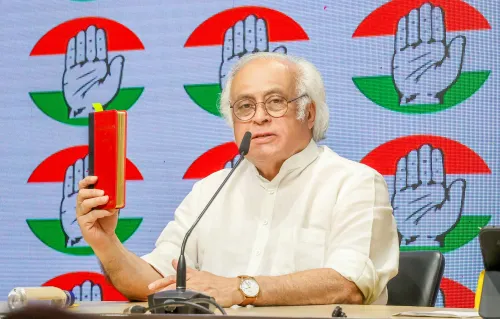
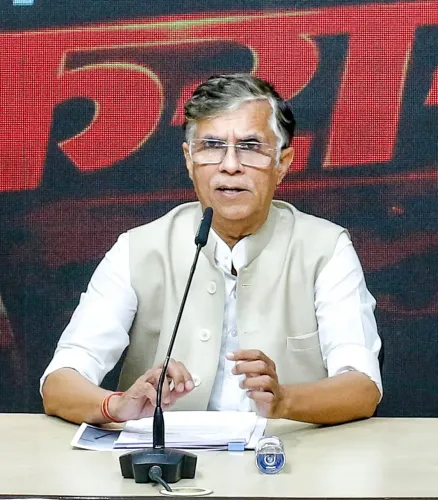
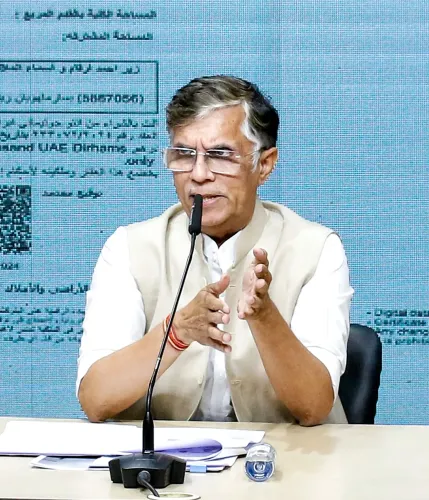
Addressing a press conference, Congress communications in-charge Jairam Ramesh and party MP and senior advocate Abhishek Manu Singhvi — who also served as Khera's counsel — said the apex court's verdict underscores that personal liberty remains paramount and that arrest must not be a routine step but the "last resort", particularly in cases related to alleged defamation.
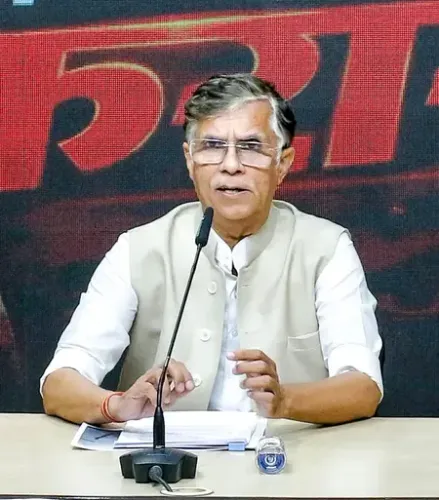
Singhvi said the ruling reinforces the legal principle that the "triple test" — risk of flight, tampering with evidence, or influencing witnesses — must justify any arrest, failing which custodial action risks becoming a tool for "humiliation, harassment and political point-scoring". He stressed that the Congress was not celebrating the outcome but drawing lessons from it.
Ramesh remarked that the SC relief reaffirmed their faith in the country's judiciary, stating that "the flame of justice is very much alive in our country".
Background of the Case
The FIR against Khera was lodged in Assam over remarks he allegedly made targeting Riniki Bhuyan Sarma. After the Gauhati High Court denied him pre-arrest protection, Khera approached the Supreme Court, which ultimately reversed that decision. The case has drawn wider attention as an example of the intersection between political speech, alleged defamation, and the scope of anticipatory bail under Indian law.
With the Supreme Court's conditions now in place, the investigation is expected to proceed, and Khera's next steps before the competent court will be closely watched by both legal observers and political circles.
Point of View
Only for higher courts to apply the brakes. The bench's explicit invocation of Article 21 and the 'triple test' is a signal to lower courts and investigating agencies that anticipatory bail cannot be denied as a matter of routine in speech-related cases. What the Congress frames as political targeting, the Assam government has not publicly responded to in detail — and that silence is itself telling. The broader question — whether defamation-adjacent FIRs against political figures meet the threshold for custodial risk — remains unsettled in Indian jurisprudence.
NationPress
27 Jul 2026
Frequently Asked Questions
Why was an FIR lodged against Pawan Khera in Assam?
An FIR was registered against Congress leader Pawan Khera in Assam over remarks he allegedly made targeting Riniki Bhuyan Sarma, the wife of Assam Chief Minister Himanta Biswa Sarma. The exact nature of the remarks has been characterised as defamatory by the complainants.
What did the Supreme Court decide in Pawan Khera's anticipatory bail case?
The Supreme Court on 1 May granted Pawan Khera anticipatory bail, setting aside the Gauhati High Court's earlier denial of pre-arrest protection. The bench of Justices J.K. Maheshwari and Atul S. Chandurkar ruled that individual liberty under Article 21 cannot be jeopardised lightly, even as investigation proceeds.
What conditions has the Supreme Court imposed on Pawan Khera?
Khera must cooperate with the investigation, appear before police when required, refrain from influencing witnesses or tampering with evidence, and not leave India without prior permission from the competent court.
What is the 'triple test' mentioned by Abhishek Manu Singhvi?
The 'triple test' refers to three grounds — risk of flight, tampering with evidence, and influencing witnesses — that courts assess before deciding on anticipatory bail. Singhvi argued that failing to establish any of these grounds makes custodial action unjustifiable and risks turning arrest into a political tool.
How has the Congress party responded to the Supreme Court's order?
Congress communications in-charge Jairam Ramesh and MP Abhishek Manu Singhvi held a press conference welcoming the verdict. They said the ruling affirms that personal liberty is paramount and that arrest must be a last resort, not a routine step, particularly in alleged defamation cases.