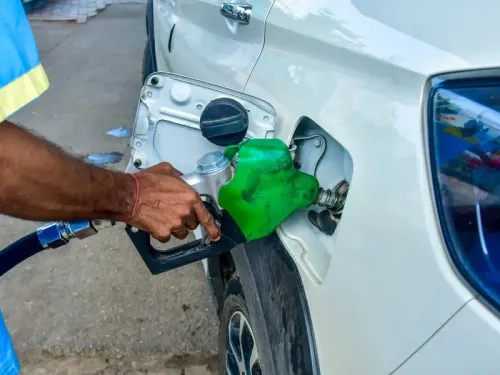
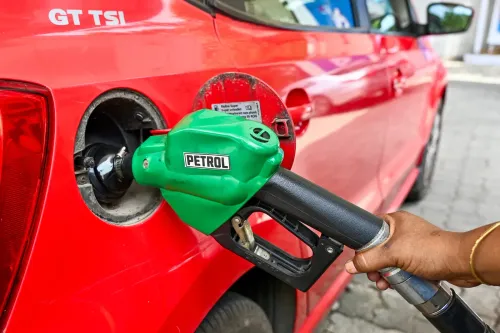
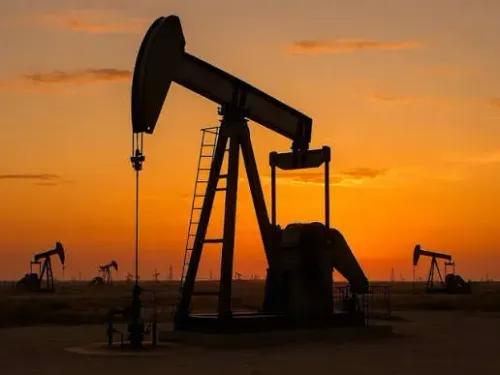
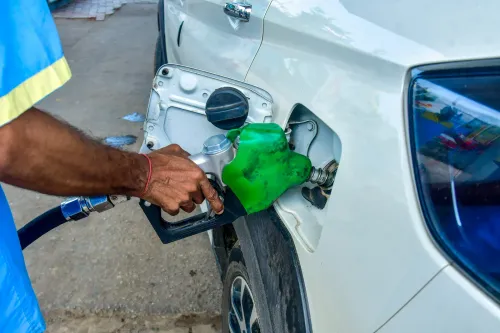
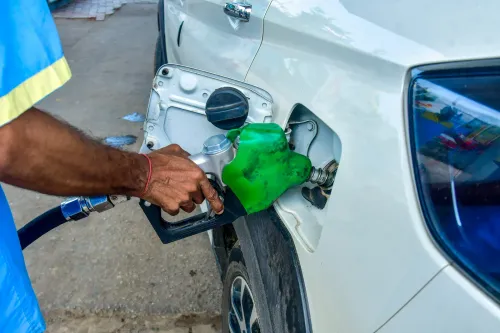
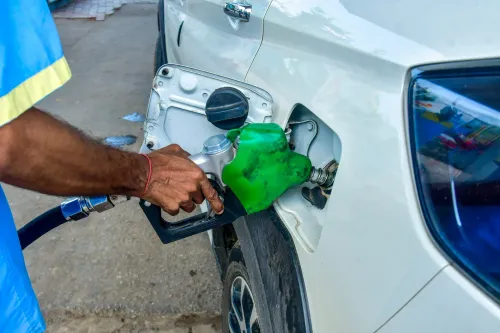
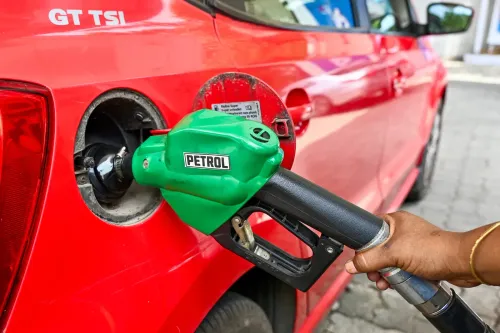
Petrol export duty raised to ₹2.5/litre; diesel levy slashed to ₹8.5/litre
Synopsis
In a split move, India has hiked the petrol export duty fivefold to ₹2.5/litre while cutting the diesel export levy by nearly half to ₹8.5/litre — a divergence that reflects sharply different refinery margin dynamics in the two segments, and the government's continued use of the windfall tax as a live lever in a volatile global oil market.
Key Takeaways
The Finance Ministry raised the petrol export duty to ₹2.5 per litre from ₹0.5 per litre , effective 16 October 2026 .
The diesel export levy was cut to ₹8.5 per litre from ₹16 per litre in the same notification.
Export duties on petroleum products are reviewed every fortnight and adjusted against international crude and product prices.
India first imposed windfall fuel export taxes in July 2022 after the Russia-Ukraine conflict drove crude prices higher.
The tax was reintroduced in March 2026 after crude spiked following the US-Israeli war on Iran .
Domestic retail fuel prices are not directly affected by export duty revisions.
The Indian government on 16 October 2026 revised its windfall tax on petroleum exports, raising the export duty on petrol to ₹2.5 per litre from ₹0.5 per litre while sharply cutting the levy on diesel to ₹8.5 per litre from ₹16 per litre, effective Friday. The changes were notified by the Finance Ministry as part of its routine fortnightly review mechanism.
What Changed and Why
The petrol export duty was hiked fivefold — from ₹0.5 per litre to ₹2.5 per litre — while the diesel export levy was more than halved. According to the ministry's order, export duties on petroleum products are reviewed every two weeks and recalibrated in line with movements in international crude oil and refined product prices. The latest adjustment reflects shifting refinery margins across the two fuel categories.
Recent Revision History
The revision follows a series of adjustments in recent months driven by persistent volatility in global oil markets and ongoing geopolitical tensions. In September, the government had reduced the windfall tax on petrol, diesel, and aviation turbine fuel (ATF), bringing the petrol export duty down to ₹0.5 per litre. Prior to that, effective 1 September, the diesel export levy had been cut to ₹1 per litre from ₹3 per litre, with the windfall tax on diesel reduced to ₹19 per litre from ₹24 per litre.
In August, the government had moved in the opposite direction — raising the petrol export duty to ₹3.5 per litre from ₹2.5 per litre, lifting the total diesel levy to ₹25.5 per litre from ₹15.5 per litre, and increasing the ATF export levy to ₹22 per litre from ₹14.5 per litre.
Origins of the Windfall Tax Regime
India first introduced windfall taxes on fuel exports in July 2022 after global crude prices surged in the wake of the Russia-Ukraine conflict, allowing domestic refiners to book super-normal profits by exporting rather than supplying the local market. The mechanism was subsequently wound down as crude prices normalised, but was reintroduced in March 2026 after crude prices jumped again following the US-Israeli war on Iran, according to official records.
What This Means for Refiners
The divergent treatment of petrol and diesel in this round suggests the government is responding to different margin dynamics in the two segments. A higher petrol export duty erodes the arbitrage available to refiners on petrol shipments, while the steep cut in diesel duty improves the economics of diesel exports at a time when global diesel cracks have reportedly softened. Domestic fuel prices for consumers are not directly affected by export duty changes, but the levies influence refinery throughput decisions and, over time, domestic supply availability. This is a story that markets and energy analysts will watch closely as the next fortnightly review approaches.
Point of View
And that the government is fine-tuning rather than broadly tightening. The fortnightly mechanism, originally a crisis tool from 2022, has quietly become a permanent instrument of fiscal management over petroleum exports. What is worth watching is whether these frequent reversals create planning uncertainty for refiners considering export commitments. And with crude prices once again tied to geopolitical flashpoints — first Ukraine, now the Iran theatre — the real question is whether a fortnightly review cycle is nimble enough or whether it lags market moves by just enough to leave arbitrage windows open.
NationPress
16 Oct 2026
Frequently Asked Questions
What is the new petrol export duty effective 16 October 2026?
The petrol export duty has been raised to ₹2.5 per litre from ₹0.5 per litre, effective 16 October 2026, as per a Finance Ministry notification. This is a fivefold increase from the previous rate set in September.
What happened to the diesel export duty in this revision?
The diesel export levy was cut to ₹8.5 per litre from ₹16 per litre, effective 16 October 2026. The reduction improves the economics of diesel exports amid reportedly softer global diesel refinery margins.
How often does India revise petroleum export duties?
India reviews and revises export duties on petrol, diesel, and ATF every fortnight, adjusting them in line with movements in international crude oil and petroleum product prices. The mechanism has been in place since the windfall tax was first introduced in July 2022.
Why did India introduce windfall taxes on fuel exports?
India first imposed windfall taxes on fuel exports in July 2022 to capture super-normal profits that domestic refiners were earning by exporting when global crude prices surged after the Russia-Ukraine conflict. The tax was reintroduced in March 2026 following a fresh crude price spike linked to the US-Israeli war on Iran.
Do these export duty changes affect petrol and diesel prices for consumers?
Domestic retail prices of petrol and diesel are not directly affected by changes in export duties. However, the levies influence refinery export decisions and can indirectly affect domestic supply availability over time.