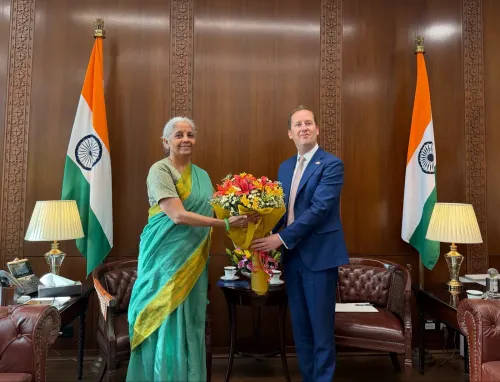
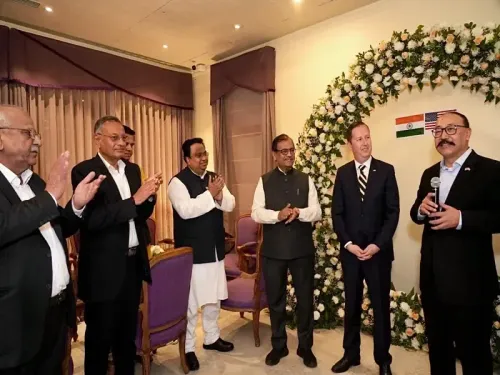
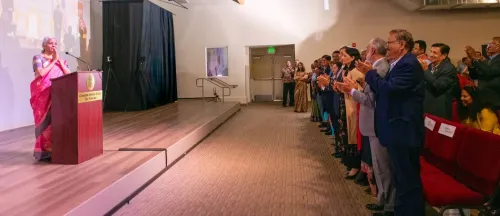
FM Sitharaman pushes for early India-US trade deal at IMF-World Bank meet
Synopsis
Finance Minister Sitharaman and US Ambassador Sergio Gor both signalled in Bangkok that the India-US Bilateral Trade Agreement is near the finish line — with the first tranche already in legal drafting. If formalised, it would be India's most consequential trade pact in decades, deepening supply-chain ties with its largest trading partner at a moment of global trade realignment.
Key Takeaways
Finance Minister Nirmala Sitharaman called for early conclusion of the India-US Bilateral Trade Agreement (BTA) at the IMF-World Bank Annual Meetings in Bangkok on 16 October 2026 .
Commerce Minister Piyush Goyal had confirmed a day earlier that the first tranche of the BTA had been finalised and was in legal drafting .
US Ambassador Sergio Gor said both countries were 'very close' to finalising the pact at the Bloomberg New Economy Forum in Bangkok.
Sitharaman cited India's status as the fastest-growing major economy over the past four to five years since COVID.
The Finance Minister highlighted capital expenditure and fiscal discipline as key drivers of India's economic resilience.
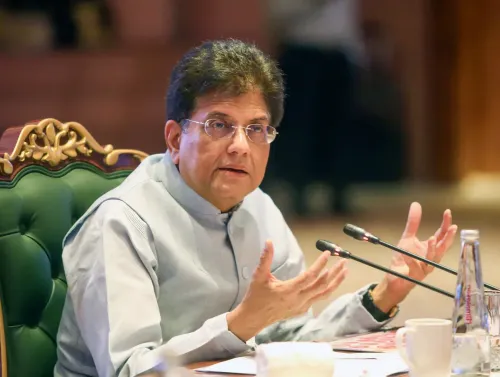
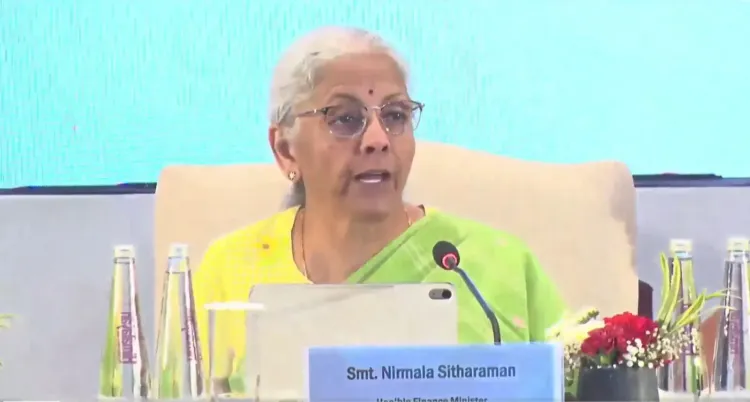
Finance Minister Nirmala Sitharaman on 16 October 2026 called for an early conclusion of the proposed India-United States Bilateral Trade Agreement (BTA), saying its finalisation would serve both global trade interests and bilateral economic ties. The remarks were made during a conversation with the Atlantic Council on the sidelines of the IMF-World Bank Annual Meetings in Bangkok.
Negotiations Nearing Completion
Sitharaman noted that negotiations appeared to be nearing completion, signalling growing momentum behind a deal that has been in the works for several months. Her remarks came a day after Commerce Minister Piyush Goyal confirmed that the first tranche of the India-US BTA had been finalised and was undergoing legal drafting. Goyal had added that the agreement would be operationalised once India secured a competitive advantage over peer economies.
Sitharaman also cited Goyal's earlier public statement, saying that the Commerce Minister had indicated the agreement was expected to be signed soon. This convergence of signals from two senior Cabinet ministers suggests New Delhi is aligning its messaging ahead of a formal announcement.
US Ambassador Echoes Optimism
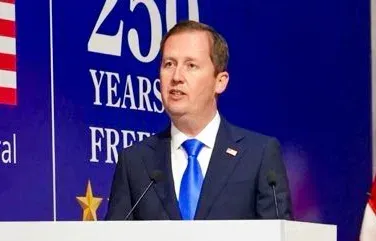
US Ambassador to India Sergio Gor, speaking at the Bloomberg New Economy Forum in Bangkok on Thursday, said the broad framework of the proposed agreement had been finalised and expressed confidence that both sides would reach a conclusion soon. Gor said both countries were 'very close' to finalising the pact — a characterisation that aligns closely with the Indian government's own position.
Notably, the simultaneous optimism from both the Indian Finance Ministry and the US diplomatic mission represents the strongest joint signalling on the BTA in recent months, raising expectations of an imminent formal signing.
India's Growth Record and Fiscal Discipline
Sitharaman used the platform to highlight India's economic resilience, stating that the country had continued to maintain strong growth despite global uncertainties. 'India, much against all the odds, is able to keep up the growth. In fact, we've been the fastest-growing in the last four or five years since COVID,' she said.
She attributed the performance to inclusive growth policies, investments in skills development, and fiscal discipline. 'We are conscious that we have a responsibility with public money and therefore have a very clear understanding that we can't be splurging money, even as we have to take care of those who are vulnerable in the economy,' Sitharaman said.
On infrastructure, she added: 'Public spending on capital expenditure has helped us build infrastructure in the country and that has a greater multiplier effect.'
What the BTA Could Mean for Both Economies
An India-US BTA, if concluded, would be among the most significant bilateral trade agreements for India, given that the United States is India's largest trading partner. The deal is expected to cover goods, services, and potentially digital trade — sectors where both economies have complementary strengths. Critics and trade analysts have long argued that delays in such agreements cost Indian exporters market access, particularly in agriculture and textiles.
This is also geopolitically significant: a formalised trade framework would deepen supply-chain integration between the two democracies at a time when global trade architecture is being redrawn in the wake of US-China tensions.
What Comes Next
With legal drafting of the first tranche already under way and the broad framework reportedly finalised, the focus now shifts to the timeline for signing and parliamentary or Congressional processes in both countries. Industry bodies and export associations are expected to watch closely for the final text, particularly on tariff concessions and non-tariff barrier provisions.
Point of View
But what India has conceded on market access for US agriculture and digital services in exchange for tariff relief on goods. The Goyal caveat — that operationalisation awaits India securing a 'competitive advantage over peer economies' — is a notable qualifier that mainstream coverage has underplayed. If that threshold is left undefined, it could become a convenient brake on implementation even after signing. A BTA headline without a verified tariff schedule is, at this stage, a political commitment, not yet an economic one.
NationPress
16 Oct 2026
Frequently Asked Questions
What is the India-US Bilateral Trade Agreement (BTA)?
The India-US BTA is a proposed bilateral trade pact aimed at expanding goods, services, and potentially digital trade between India and the United States, which is India's largest trading partner. Commerce Minister Piyush Goyal confirmed on 15 October 2026 that the first tranche had been finalised and was undergoing legal drafting.
What did Finance Minister Sitharaman say about the India-US trade deal?
Sitharaman called for early finalisation of the BTA, saying it would benefit both global trade and bilateral economic ties. She made the remarks at the Atlantic Council event on the sidelines of the IMF-World Bank Annual Meetings in Bangkok on 16 October 2026.
How close is the India-US trade deal to being signed?
Both sides have signalled it is imminent. US Ambassador Sergio Gor said the broad framework had been finalised and both countries were 'very close', while Commerce Minister Goyal said the first tranche was in legal drafting. No formal signing date has been announced.
Why does the India-US BTA matter for India's economy?
The United States is India's largest trading partner, and a formal BTA would provide Indian exporters improved market access while deepening supply-chain integration. It is also strategically significant as global trade architecture shifts amid US-China tensions.
What did Sitharaman say about India's economic growth?
Sitharaman said India had been the fastest-growing major economy over the four to five years since COVID, attributing the performance to inclusive growth policies, skills investment, fiscal discipline, and high capital expenditure on infrastructure.