Pilot Condemns Police Force on Nomadic Community Protest
Synopsis
Congress general secretary Sachin Pilot on 2 July 2026 condemned police use of force against the Ghumantu Samaj during a demonstration over their demands, calling it 'extremely unfortunate' and urging the government to resolve the nomadic community's grievances through sensitivity and dialogue rather than suppression.
Key Takeaways
Sachin Pilot , Congress general secretary and Chhattisgarh in-charge, posted on 2 July 2026 condemning police action against Ghumantu Samaj protesters.
Pilot described the use of force as 'extremely unfortunate' and called on the government to take the community's demands 'seriously'.
He invoked democratic rights, stating every citizen — especially weaker sections — has the right to protest and must be heard with sensitivity.
Nomadic and denotified tribes (DNTs) have been raising demands around land titles, reservations, and citizenship documentation for decades, with implementation of commission recommendations remaining uneven.
The national SEED scheme (2021-22) targets DNT welfare but has faced questions over outreach and utilisation.
Pilot's statement raises political pressure on the state administration and signals Congress's intent to champion DNT rights ahead of future electoral cycles.
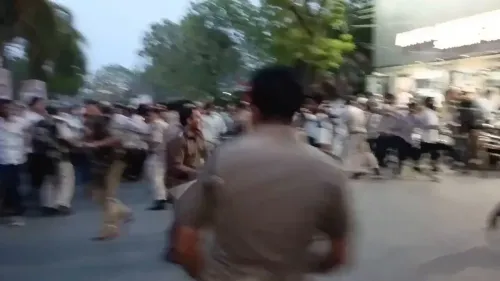
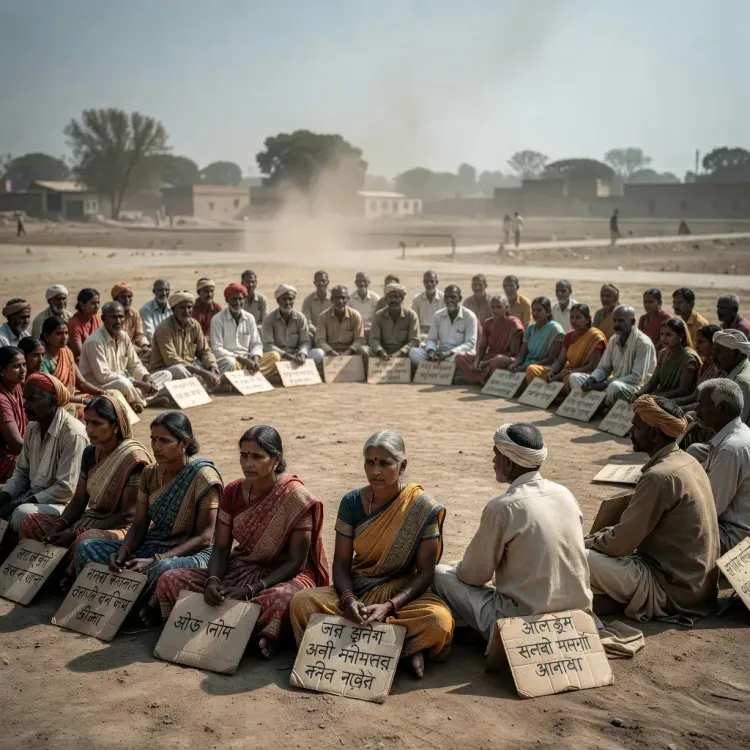
Congress leader and party general secretary Sachin Pilot on Thursday, 2 July 2026, condemned the use of police force against members of the Ghumantu Samaj (nomadic community) who had staged a demonstration over their long-pending demands, calling the action 'extremely unfortunate' and urging the government to address their grievances with sensitivity.
What Pilot Said
Posting in Hindi on X, Pilot wrote: 'अपनी मांगों को लेकर घुमंतू समाज द्वारा किए गए प्रदर्शन पर पुलिस द्वारा बल प्रयोग किया जाना बेहद दुर्भाग्यपूर्ण है' — 'The use of force by police on the demonstration staged by the nomadic community over their demands is extremely unfortunate.' He demanded that the government take the community's demands seriously and find a resolution rather than suppressing their voice.
Pilot further invoked democratic rights, stating that in a democracy every citizen has the right to voice their concerns, and when a weaker section struggles for its rights, the response must be one of sensitivity and dialogue — not force.
Context: Who Is the Ghumantu Samaj?
The term Ghumantu Samaj is a collective reference to nomadic and denotified tribes (DNTs) across India — communities historically criminalised under British-era laws and denotified after Independence, yet still among the most socioeconomically marginalised groups in the country. These communities have periodically organised protests demanding land titles, welfare scheme implementation, reservation benefits, and proper citizenship documentation.
Multiple government commissions, including the Renke Commission (2008) and the Idate Commission (2017), have submitted detailed recommendations for DNT welfare, but implementation has remained uneven across states. Activists working with these communities argue that lack of fixed addresses leaves many members excluded from ration cards, voter ID rolls, and other entitlements.
Policy Backdrop
The episode reflects a recurring pattern in Indian politics where nomadic and denotified communities stage demonstrations — often over the same unresolved demands — and face administrative pushback. Opposition leaders, including Congress spokespersons, have consistently framed police responses to such protests as evidence of insensitivity toward marginalised groups by ruling administrations.
At the national level, the Ministry of Social Justice and Empowerment runs the SEED scheme (Scheme for Economic Empowerment of DNTs), launched in 2021-22, aimed at providing education, health, livelihood, and housing support to denotified, nomadic, and semi-nomadic tribes. However, outreach and fund utilisation under the scheme have been questioned by welfare advocates.
Stakeholders and Impact
India's nomadic and denotified tribe population is estimated in the crores, spread across nearly every state, making them a numerically significant but politically underrepresented constituency. Their demands typically encompass land rights, inclusion in state OBC or SC/ST lists, and documentation support — issues that cut across party lines but are most acutely felt in states with large DNT populations such as Rajasthan, Maharashtra, Uttar Pradesh, and Madhya Pradesh.
Pilot's intervention, as Congress's Chhattisgarh in-charge, signals the party's intent to amplify the community's concerns ahead of any upcoming electoral cycle in the region and to hold the state administration accountable for the alleged use of force.
What's Next
The immediate focus will be on whether the concerned state government responds formally to the nomadic community's charter of demands or initiates dialogue with community representatives. Pilot's public statement raises the political cost of inaction and could prompt follow-up protests or a formal Congress delegation visiting affected families. The broader question of DNT welfare implementation — long deferred despite multiple commission reports — is likely to remain a flashpoint unless concrete administrative steps are taken.
Point of View
He broadens the appeal beyond the Congress base. The statement also reflects a strategic calculation: nomadic and denotified tribes, though numerically large, remain electorally underserved, and early advocacy can consolidate bloc support. Unless the state government responds with concrete steps on the community's charter of demands, the episode risks becoming a sustained political liability.
NationPress
2 Jul 2026
Frequently Asked Questions
What did Sachin Pilot say about the Ghumantu Samaj protest?
Sachin Pilot called the police use of force against Ghumantu Samaj protesters 'extremely unfortunate' and urged the government to address their demands with sensitivity and dialogue instead of suppression.
Who is the Ghumantu Samaj in India?
Ghumantu Samaj refers collectively to nomadic and denotified tribes (DNTs) in India — historically criminalised communities that were denotified after Independence but remain among the most marginalised, often lacking land titles and citizenship documents.
What are the main demands of nomadic tribes in India?
Nomadic and denotified tribes typically demand land rights, inclusion in OBC or SC/ST reservation lists, implementation of welfare commission recommendations, and documentation support such as ration cards and voter IDs.
What is the SEED scheme for denotified tribes?
The SEED (Scheme for Economic Empowerment of DNTs) was launched in 2021-22 by the Ministry of Social Justice and Empowerment to provide education, health, livelihood, and housing support to denotified, nomadic, and semi-nomadic tribes across India.
Why is Sachin Pilot commenting on nomadic community issues?
As Congress general secretary and Chhattisgarh in-charge, Pilot regularly comments on social justice and governance issues affecting marginalised groups, using such episodes to hold state administrations accountable and build the party's support among underrepresented communities.