Pilots write to PM Modi over rising helicopter accidents in Himalayan region
Synopsis
India's Federation of Indian Pilots has taken the rare step of writing directly to PM Modi after the Joshimath crash killed six — arguing that single-engine, no-autopilot helicopters flying in tailwind conditions over hostile Himalayan terrain are a structural disaster waiting to happen, and that the DGCA's existing framework is not fit for purpose.
Key Takeaways
The Federation of Indian Pilots (FIP) has written to PM Modi demanding intervention over a pattern of helicopter accidents in hilly regions.
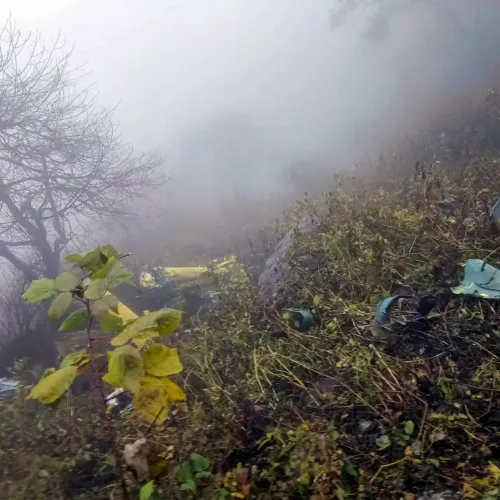
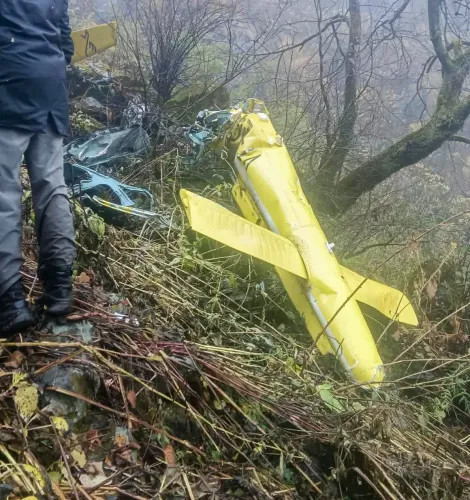
The immediate trigger was a crash near Joshimath, Chamoli district, Uttarakhand on 30 October 2026 , which killed all six occupants.
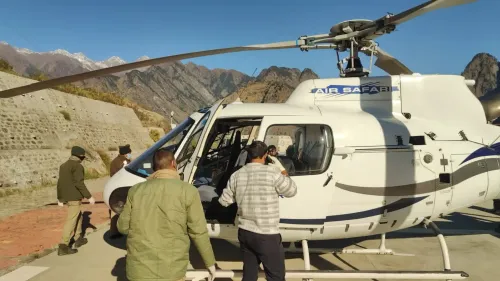
All Char Dham helicopters are single-engine, Performance Class 3 , VFR-only aircraft with no autopilot or weather radar.
The Kedarnath sector qualifies as a 'Hostile Environment' under DGCA norms, yet Performance Class 3 operations — which require a forced landing on engine failure — continue there.
The Parliamentary Standing Committee on Transport had already flagged similar concerns in its 380th Report of August 2025 .
The FIP has called on the Ministry of Civil Aviation and DGCA to undertake a comprehensive review of hill helicopter operations.
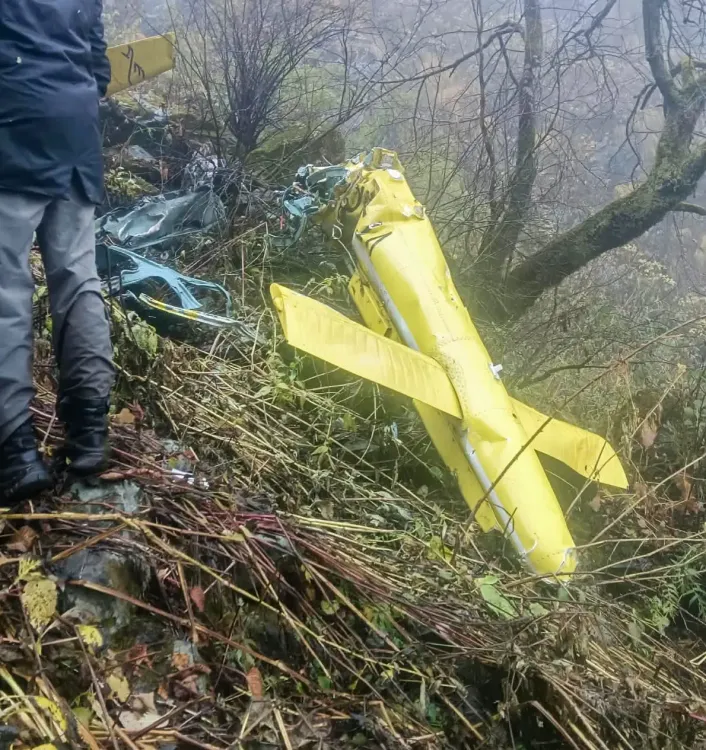
The Federation of Indian Pilots (FIP) has written to Prime Minister Narendra Modi urging his personal intervention into what the body describes as an 'increasingly disturbing pattern' of helicopter accidents in India, with a particular focus on high-altitude operations in the Himalayan region. The letter follows the fatal crash near Joshimath in Uttarakhand's Chamoli district on 30 October 2026, which killed all six people on board.
The Trigger: Joshimath Crash and a Pattern of Fatalities
The Joshimath accident is the latest in a series of helicopter crashes in Uttarakhand and other parts of the country in recent years, many involving multiple fatalities. The FIP argues that this recurrence raises serious questions about operational procedures, pilot training, weather assessment, terrain clearance, helipad infrastructure, and the effectiveness of safety management systems governing helicopter operations in India. The organisation also noted that the Department-Related Parliamentary Standing Committee on Transport, Tourism and Culture had flagged similar concerns in its 380th Report of August 2025, specifically in the context of accidents during high-risk Char Dham Yatra operations.
Why the Kedarnath Sector Is a Particular Concern
The FIP's letter details the acute dangers specific to the Kedarnath sector. The terrain is fully mountainous with narrow and steep valleys, and operating altitudes range between 8,000 and 12,000 feet — conditions that classify the area as a 'Hostile Environment' under Directorate General of Civil Aviation (DGCA) norms. In such a designation, a safe forced landing cannot be executed because the surface and surrounding environment are inadequate.
The FIP further noted that most helipads in the region have a unidirectional approach and take-off funnel, with the mandatory minimum separation of 150 degrees between landing and take-off funnels neither available nor followed. As a direct consequence, take-offs or landings are frequently carried out in tailwind conditions — a scenario the FIP describes as 'very dangerous' given the thin engine power margins and sluggish controllability of helicopters at such altitudes.
Single-Engine, No Autopilot: The Equipment Gap
All helicopters currently deployed for Char Dham operations are, according to the FIP, single-engine, Performance Class 3 aircraft. They are capable only of Visual Flight Rules (VFR) operations and are equipped with neither an autopilot nor weather radar. Since VFR certification does not mandate these systems, no aircraft operating in the sector currently carries them.
The FIP warned that under Performance Class 3 rules, an engine failure at any point during flight requires an immediate forced landing. Given that the operating area qualifies as a Hostile Environment with no suitable forced-landing sites available for all phases of flight, the body argues that deploying Performance Class 3 helicopters in this region is unsafe and unsuitable.
The Broader Safety Picture
The FIP underlines that helicopter operations are structurally distinct from fixed-wing airline operations. Low-level flying, confined and elevated landing sites, rapidly shifting weather, proximity to terrain and obstacles, and frequent environmental variability all compound the risk. In the Himalayan region specifically, cloud formations, mountain waves, downdrafts, turbulence, wind shear, restricted visibility, and sudden weather changes create what the FIP calls 'extremely challenging conditions'. The body has called on the Ministry of Civil Aviation and the DGCA to undertake a comprehensive review of helicopter operations in hilly areas as an immediate priority.
What the FIP Is Asking For
The federation has not merely flagged the problem — it has called for systemic reform across operational procedures, training standards, helipad infrastructure, and regulatory oversight. With the Char Dham Yatra drawing hundreds of thousands of pilgrims annually, the safety stakes extend well beyond aviation circles. Whether the Prime Minister's Office or the Ministry of Civil Aviation will initiate a formal review remains to be seen.
Point of View
And yet single-engine, no-autopilot helicopters continue to fly VFR in terrain the DGCA itself classifies as Hostile. That is not an oversight gap — it is a governance gap. The real question is whether PM Modi's intervention will accelerate a systemic overhaul or produce yet another committee report that gathers dust while the Yatra season returns. With Char Dham drawing hundreds of thousands of pilgrims each year, the cost of inaction is measured in lives, not only liability.
NationPress
2 Nov 2026
Frequently Asked Questions
What is the Federation of Indian Pilots asking PM Modi to do?
The FIP has asked PM Modi to direct the Ministry of Civil Aviation and the DGCA to conduct a comprehensive review of helicopter operations in hilly and high-altitude areas of India. The federation wants immediate attention to operational procedures, pilot training, weather assessment, terrain clearance, helipad infrastructure, and safety management systems.
What happened in the Joshimath helicopter crash on 30 October 2026?
A helicopter crash in the Joshimath area of Uttarakhand's Chamoli district on 30 October 2026 killed all six people on board. The FIP cited this accident as the immediate trigger for its letter to the Prime Minister, calling it part of a recurring pattern of fatal crashes in the region.
Why are Char Dham helicopter operations considered unsafe?
According to the FIP, all helicopters used for Char Dham are single-engine, Performance Class 3 aircraft with no autopilot or weather radar, flown by a single pilot under VFR rules only. The Kedarnath sector, where altitudes range from 8,000 to 12,000 feet, is classified a 'Hostile Environment' under DGCA norms, meaning a safe forced landing is impossible if an engine fails — making Performance Class 3 operations inherently unsuitable for the terrain.
Has the government been warned about this issue before?
Yes. The Department-Related Parliamentary Standing Committee on Transport, Tourism and Culture had highlighted the risks of helicopter accidents during Char Dham Yatra operations in its 380th Report, published in August 2025. The FIP's letter to PM Modi explicitly references this report, noting that its warnings have not yet translated into meaningful regulatory action.
What specific infrastructure problems exist at Himalayan helipads?
The FIP says most helipads in the Kedarnath sector have a unidirectional approach and take-off funnel, and the mandatory minimum separation of 150 degrees between landing and take-off funnels is neither available nor followed. This forces pilots to conduct take-offs or landings in tailwind conditions, which is dangerous at high altitude where engine power margins are thin and helicopter controllability is reduced.