Piyush Goyal: India-UK FTA Enables First Mango Pulp Export from Tirupati
Synopsis
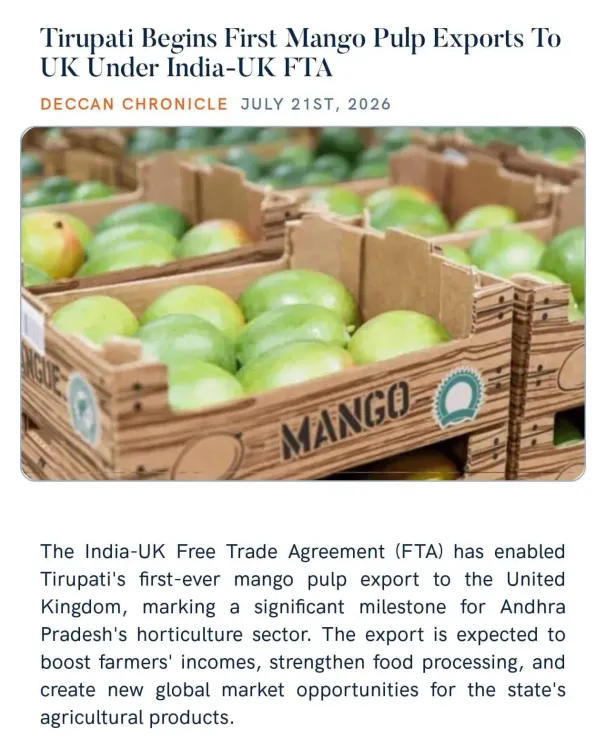
Commerce Minister Piyush Goyal has highlighted the first-ever mango pulp export from Tirupati to the UK under the India-UK FTA, calling it a major market opportunity for Indian farmers and agri-exporters.
Key Takeaways
Union Commerce and Industry Minister Piyush Goyal announced the first-ever mango pulp export from Tirupati, Andhra Pradesh to the United Kingdom under the India-UK FTA.
The India-UK Free Trade Agreement provides preferential tariff access that makes Indian mango pulp more competitive in the UK market.
Formal India-UK FTA negotiations were launched in January 2022 after the UK's exit from the EU.
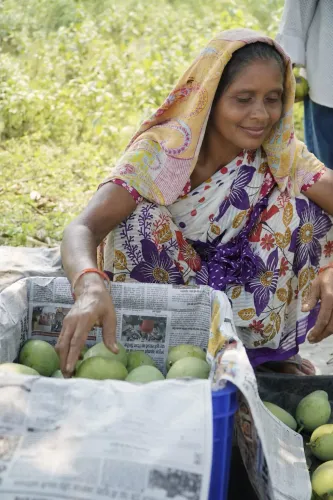
The development is expected to benefit mango farmers and agri-processing units in the Tirupati region and broader Andhra Pradesh.
India has pursued multiple bilateral FTAs — including with Australia and the UAE — as part of a strategy to diversify agricultural export markets.
Further consignments of processed fruits and other agri products to the UK are anticipated as exporters navigate rules-of-origin compliance.
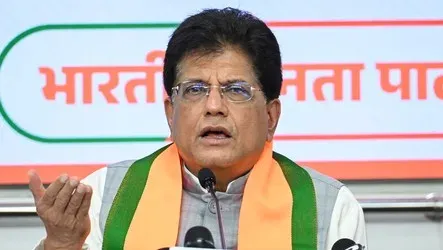
Union Commerce and Industry Minister Piyush Goyal announced on Tuesday, 21 July 2026 that the India-UK Free Trade Agreement has enabled the first-ever mango pulp export from Tirupati, Andhra Pradesh to the United Kingdom, marking a landmark moment for Indian agricultural trade.
Context
Goyal, posting on X, stated: 'India-UK FTA has enabled the first-ever mango pulp export from Tirupati to the UK. This has opened a big market for our farmers and will help them benefit from the increased export opportunity.' The minister framed the development as a direct, tangible gain for Indian farmers stemming from the bilateral trade pact.
Tirupati, a city in Andhra Pradesh, is known for its agricultural hinterland and processed-food units. The city's mango pulp processors are now among the earliest beneficiaries of preferential market access to the UK under the new agreement.
Policy Backdrop
India and the United Kingdom launched formal FTA negotiations in January 2022, following the UK's exit from the European Union. The deal was designed to reduce tariffs and expand market access for goods and services across both economies, with agriculture identified as a key sector for Indian exporters.
The UK, seeking post-Brexit trade relationships to offset reduced EU market access, positioned India as a priority partner. For India, the agreement fits into a broader strategy of pursuing bilateral FTAs — including deals with Australia and the UAE — to diversify export destinations and raise the share of value-added agricultural shipments in overall trade.
Processed fruit products such as mango pulp carry higher value than raw produce, making such exports particularly significant for farmer incomes and agri-processing units along the supply chain.
Stakeholders and Impact
The most immediate beneficiaries are mango farmers and agri-exporters in the Tirupati region and broader Andhra Pradesh. Access to the UK market, which has a sizeable South Asian diaspora with established demand for Indian mango products, is expected to sustain consistent export volumes.
For agri-processing units, the FTA's preferential tariff terms lower the cost disadvantage that Indian mango pulp previously faced against competing suppliers in the UK market. This could trigger investment in processing capacity in the region if demand scales up.
The development also carries symbolic weight: it demonstrates that the FTA's benefits are reaching producers at the ground level, beyond metropolitan export hubs, which has been a stated government objective in communicating the deal's value to the public.
What's Next
Attention will now turn to whether subsequent consignments from Tirupati and other agri-processing centres across India follow, and whether other processed fruit and vegetable categories begin moving to the UK under similar preferential terms. Compliance with rules-of-origin requirements under the FTA will be a key operational consideration for exporters.
Parliamentary and industry scrutiny of tariff schedules and phased liberalisation timelines under the agreement will continue, as both governments work through implementation. If early shipments like this one generate positive commercial outcomes, they are likely to be cited as proof-of-concept by trade negotiators on both sides.
Point of View
Arriving at a moment when the India-UK FTA needs visible, farmer-level success stories to build political and public consensus around the deal. By spotlighting a Tier-2 city in Andhra Pradesh rather than a traditional export hub, Goyal signals that the agreement's gains are geographically broad — a message that serves both trade diplomacy and domestic electoral optics. The development also reflects India's wider pivot toward value-added agri-exports rather than raw commodity shipments, consistent with the production-linked and agri-processing policy architecture of recent years. How quickly the UK market absorbs larger volumes will determine whether this landmark first becomes a durable trade corridor or remains a symbolic one-off.
NationPress
22 Jul 2026
Frequently Asked Questions
What is the India-UK FTA and when did negotiations begin?
The India-UK Free Trade Agreement is a bilateral deal aimed at reducing tariffs and expanding market access between the two countries. Formal negotiations were launched in January 2022 after the UK exited the European Union.
What has been exported from Tirupati to the UK under the India-UK FTA?
Mango pulp has been exported from Tirupati, Andhra Pradesh to the United Kingdom in what Commerce Minister Piyush Goyal described as the first-ever such shipment under the India-UK FTA.
How does the India-UK FTA benefit mango farmers?
The FTA provides preferential tariff terms that lower the cost of Indian mango pulp in the UK market, making it more competitive and opening a new export destination for farmers and agri-processing units.
Why is Tirupati significant in this mango export story?
Tirupati in Andhra Pradesh has agricultural processing capacity and is now among the earliest beneficiaries of the FTA, demonstrating that the deal's gains are reaching producers outside traditional metropolitan export hubs.
What other FTAs has India signed to boost agricultural exports?
India has pursued bilateral FTAs with partners including Australia and the UAE, as part of a broader strategy to diversify export markets and increase the share of value-added agricultural shipments.