Will the 'PM Janman Scheme' Transform Healthcare in 24 Districts?
Synopsis
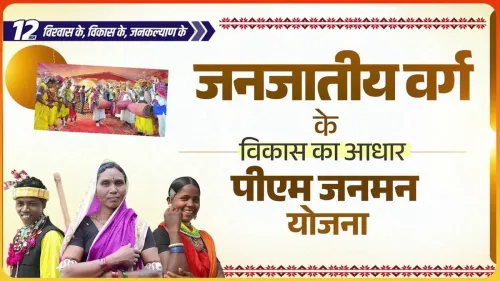
Madhya Pradesh Governor Mangubhai Patel has announced the implementation of the 'PM Janman Scheme' across 24 districts, focusing on healthcare for vulnerable tribal communities. Highlighting significant patient registrations and infrastructural developments, the scheme aims to enhance healthcare access, housing, and water supply for the tribals, marking a progressive step in the state’s welfare initiatives.
Key Takeaways
Implementation in 24 districts Over 9.5 lakh patients registered Focus on vulnerable tribal groups Mobile Medical Units operational Infrastructure improvements underway
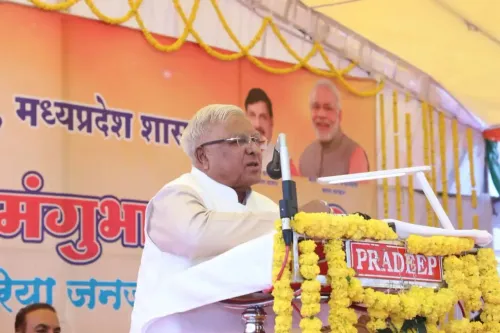
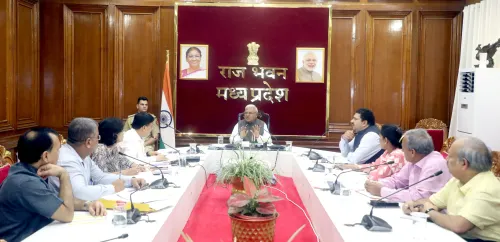
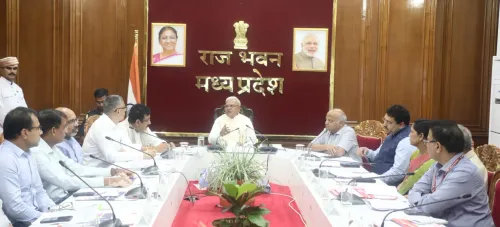
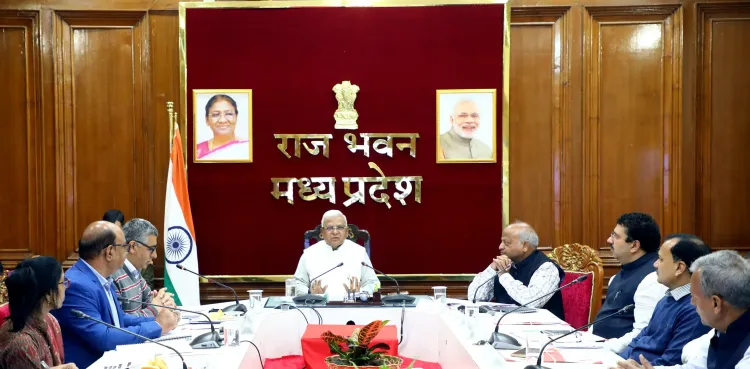
Bhopal, Dec 12 (NationPress) - In a recent meeting at Lok Bhavan, Madhya Pradesh Governor Mangubhai Patel evaluated the progress of the 'PM Janman Scheme' initiated by the Tribal Cell, engaging in discussions with officials from the relevant departments regarding its execution.
Governor Patel revealed through an official announcement that the 'PM Janman Scheme', part of the 'Pradhan Mantri Janjati Adivasi Nyaya Maha Abhiyan', has been actively rolled out across 24 districts in Madhya Pradesh since 2023.
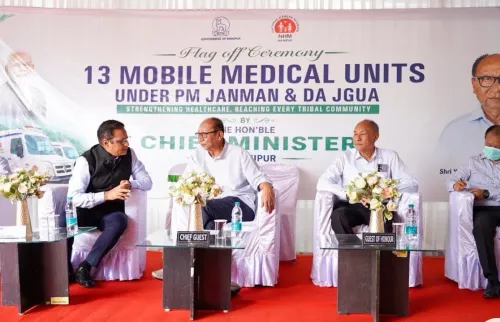
He highlighted that over 9,52,000 patients have been registered via the Mobile Medical Units managed by the Public Health and Family Welfare Department of the state.
This figure encompasses 4,75,375 patients from the Particularly Vulnerable Tribal Groups (PVTG) and 4,76,647 other beneficiaries. The units have successfully screened 95,360 individuals for sickle cell disease and 15,811 for TB, with diagnostic tests conducted for over seven lakh patients.
More than 13,43,000 members of PVTG communities residing in over 6,000 habitations are receiving benefits under this initiative.
Additionally, Governor Patel noted that a total of 1,30,521 houses sanctioned under the 'Pradhan Mantri Awas Yojana' have been finalized. Currently, 147 group water supply schemes are being managed by the Madhya Pradesh Jal Nigam.
Under the 'PM Janman Scheme', the completion of group water supply schemes in Anuppur and Balaghat districts has been accomplished for all 48 sanctioned schemes. The remaining operational and maintenance tasks are on track for timely completion.
Progress on six schemes in Datia, Katni, Seoni, and Umaria districts is nearing completion, while other ongoing works are also expected to meet deadlines, as stated.
During the meeting, the Governor urged officials to ensure that the quantity of medicines dispensed through the Mobile Medical Units aligns with the established route chart.
"Medicines need to be distributed based on patient needs and the interval before the next visit of the medical unit to ensure patients have enough supplies until the unit's return," Patel emphasized.
He also directed that data on the availability of electricity connections in tribal-dominant districts be compiled to identify households lacking connections.
Point of View
I believe the 'PM Janman Scheme' is a pivotal step towards addressing the healthcare disparities faced by tribal communities in Madhya Pradesh. With substantial patient registrations and infrastructural developments underway, this initiative demonstrates a commitment to uplift marginalized groups, aligning with national welfare objectives.
NationPress
19 Sept 2026
Frequently Asked Questions
What is the 'PM Janman Scheme'?
The 'PM Janman Scheme' is a healthcare initiative under the 'Pradhan Mantri Janjati Adivasi Nyaya Maha Abhiyan' aimed at enhancing healthcare services for tribal communities in Madhya Pradesh.
How many districts are involved in the scheme?
The scheme is being implemented in 24 districts of Madhya Pradesh.
What kind of healthcare services are provided?
The scheme includes services such as Mobile Medical Units providing screenings for ailments, diagnostic tests, and regular health check-ups.
How many patients have been registered under the scheme?
Over 9,52,000 patients have been registered through the Mobile Medical Units.
What additional benefits does the scheme provide?
In addition to healthcare, the scheme also focuses on housing and water supply, benefiting vulnerable tribal communities significantly.