PM Modi addresses SCO Summit in Bishkek on 25th anniversary
Synopsis
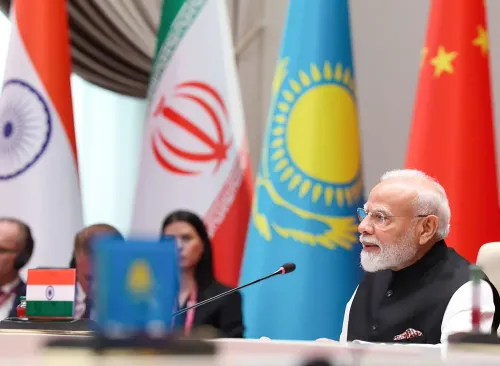
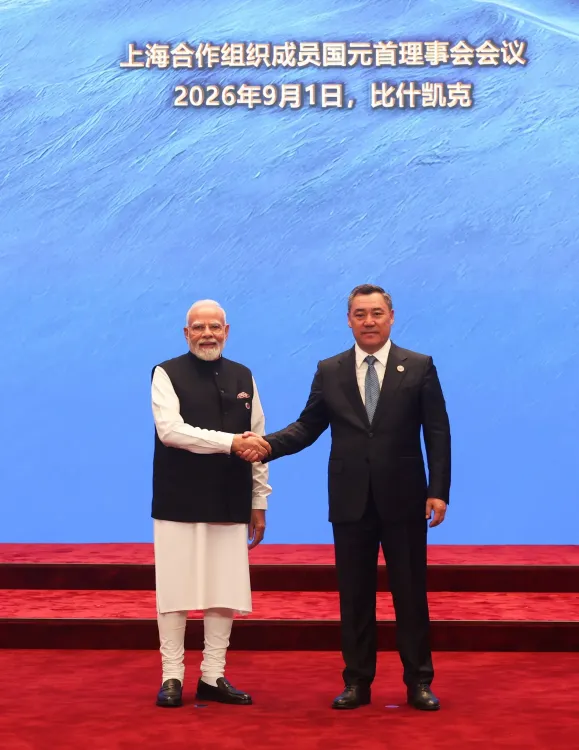
Prime Minister Narendra Modi addressed the SCO Summit in Bishkek on 1 September 2026, marking 25 years of the Shanghai Cooperation Organisation. India, a full member since 2017, used the platform to advance its positions on counter-terrorism, sovereignty, and regional connectivity.
Key Takeaways
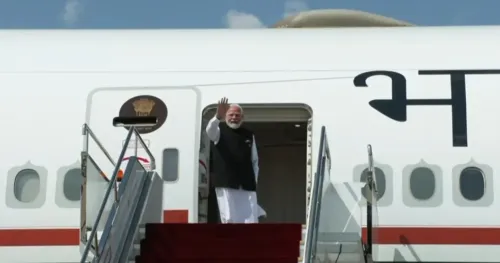
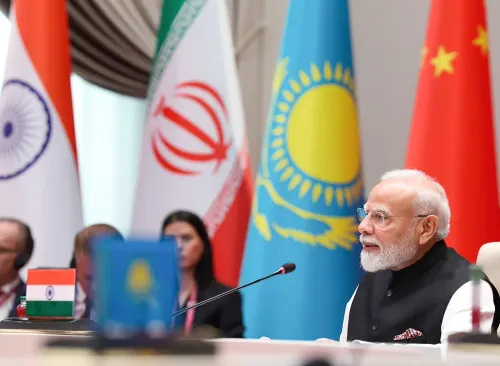
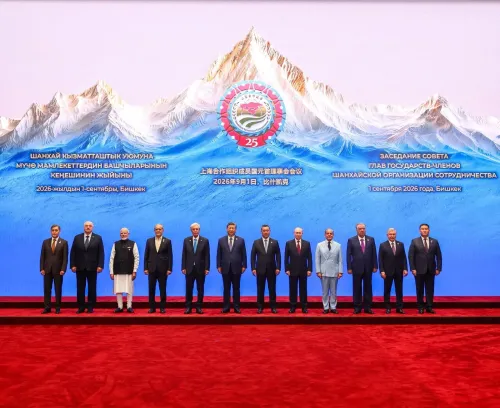
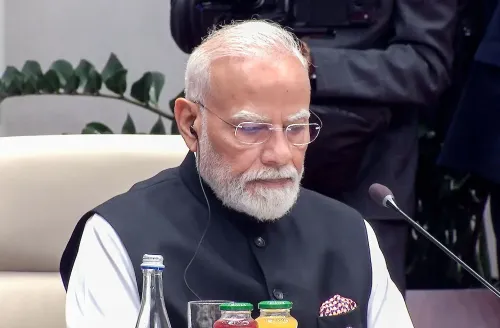
Prime Minister Narendra Modi addressed the SCO Summit in Bishkek, Kyrgyzstan on 1 September 2026 .
The summit marks 25 years since the Shanghai Cooperation Organisation was founded on 15 June 2001 .
India became a full SCO member at the 2017 Astana Summit , nine years before this anniversary summit.
India's SCO interventions have consistently prioritised counter-terrorism and opposition to connectivity projects that bypass sovereign consent.
Modi publicly shared the specific points he raised at the summit, signalling India's preference for transparent diplomatic positioning.
Twenty-five years after the Shanghai Cooperation Organisation was born, Prime Minister Narendra Modi took the floor at the SCO Summit in Bishkek on Tuesday, 1 September 2026 — and India's voice carried the full weight of a founding-era outsider that is now a central player in Eurasia's most consequential security forum.
A quarter-century of SCO — and India's place inside it
The Shanghai Cooperation Organisation was formally established on 15 June 2001, when China, Russia and four Central Asian states signed its founding charter in Shanghai. For its first decade and a half, India watched from the margins. That changed at the 2017 Astana Summit, when India and Pakistan were admitted as full members — a move that instantly complicated the bloc's internal geometry and amplified its geopolitical heft. Now, nine years into full membership, Prime Minister Modi addressed the anniversary summit in Bishkek, Kyrgyzstan, marking the milestone with a set of specific points he shared publicly via a linked thread — a signal that India intends its SCO positions to be transparent and on the record, not buried in diplomatic communiqués.India's consistent redlines at every SCO table
Across successive SCO summits, India's interventions have followed a recognisable pattern: strong emphasis on counter-terrorism, a call for regional stability rooted in respect for sovereignty, and pointed resistance to connectivity frameworks — read: China-backed infrastructure corridors — that India argues bypass sovereign consent. There is no reason to expect the Bishkek address departed from that template; if anything, the 25th-anniversary setting gave Modi a larger stage to restate those positions with historical weight. The SCO's founding promise was Eurasian security cooperation. Its reality is a body where India, China, and Russia — three nuclear powers with overlapping and competing interests — must find workable common ground. India's multi-alignment doctrine makes the SCO a useful platform: it allows New Delhi to engage a China- and Russia-led grouping while maintaining independent positions that sometimes directly contradict the bloc's consensus drift.Bishkek as a diplomatic signal, not just a ceremony
That Prime Minister Modi chose to address the summit in person and immediately publish his points underlines a deliberate communication strategy: India participates fully, speaks plainly, and leaves a public record. For Central Asian member states — Kazakhstan, Kyrgyzstan, Tajikistan, Uzbekistan — watching how India and China navigate the anniversary summit offers its own intelligence about where the bloc's centre of gravity sits. The next test will come in the follow-through: whether the points Modi raised in Bishkek translate into bilateral commitments with Central Asian partners or remain aspirational summit language.Point of View
New Delhi no longer just attends, it shapes the conversation. The 25th-anniversary framing gives India an opportunity to anchor its positions in the organisation's founding principles of sovereignty and non-interference, a rhetorical lever that cuts directly against connectivity projects India opposes. India's decision to publish the summit points publicly reflects a broader pattern of using multilateral platforms for domestic and international signalling simultaneously. The real measure of this engagement will be whether Bishkek produces any concrete bilateral momentum with Central Asian states on trade or security cooperation.
NationPress
1 Sept 2026
Frequently Asked Questions
What did PM Modi say at the SCO Summit in Bishkek?
Prime Minister Modi addressed the SCO Summit in Bishkek on 1 September 2026 and shared specific points he raised at the summit publicly via a linked thread on X. The detailed points were outlined in that thread.
Where is the 2026 SCO Summit being held?
The 2026 SCO Summit is being held in Bishkek , the capital of Kyrgyzstan .
When did India join the SCO?
India became a full member of the Shanghai Cooperation Organisation at the 2017 Astana Summit in Kazakhstan.
How old is the SCO in 2026?
The SCO turns 25 years old in 2026, having been formally established on 15 June 2001 in Shanghai.
What are India's main positions at SCO summits?
India has consistently raised counter-terrorism , regional stability, and opposition to connectivity frameworks that it argues bypass national sovereignty as its core positions at SCO summits.