Is India Truly Reviving Its Cheetah Population?
Synopsis
On International Cheetah Day, PM Modi emphasizes India's journey in reviving its cheetah population through dedicated conservation efforts and community involvement. As the nation celebrates a successful initiative, the Prime Minister calls on wildlife lovers worldwide to witness the resurgence of these magnificent creatures.
Key Takeaways
International Cheetah Day raises awareness about cheetah conservation.
Project Cheetah aims to reintroduce cheetahs back into India.
Local communities play a vital role in wildlife protection.
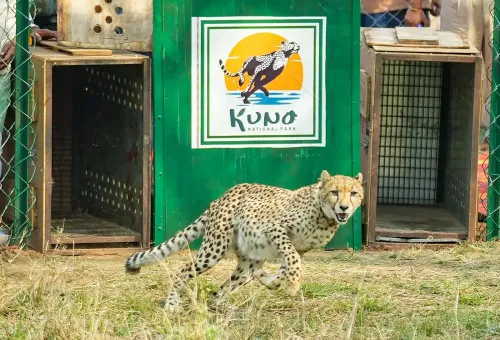
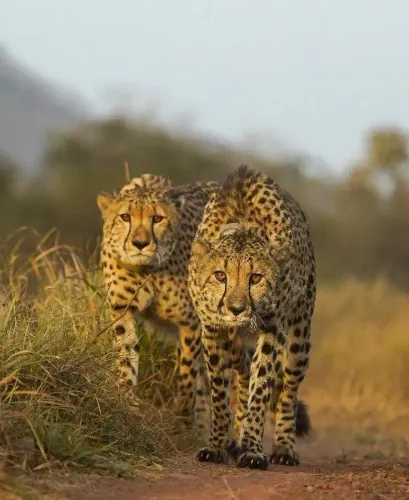
Cheetahs are now thriving in Kuno National Park and Gandhi Sagar Sanctuary .
Ongoing conservation efforts are critical for the survival of cheetahs.
New Delhi, Dec 4 (NationPress) On the occasion of International Cheetah Day, Prime Minister Narendra Modi spotlighted India's significant strides in wildlife conservation and the overarching national initiative aimed at reinstating its ecological legacy. He recognized the vital contribution of local communities in advancing this mission.
Annually observed on December 4, International Cheetah Day aims to raise awareness about the myriad challenges faced by cheetahs, the fastest terrestrial animals, while promoting global conservation efforts focused on their survival.
This day serves as an educational platform about the threats to this iconic species and the pressing need for persistent environmental safeguarding.
In a message shared on X, the Prime Minister stated, "On International Cheetah Day, I extend my best wishes to all wildlife enthusiasts and conservationists dedicated to preserving the cheetah, one of the planet's most extraordinary creatures."
He reflected on the government's launch of Project Cheetah three years ago, aimed at protecting this "magnificent animal" and revitalizing the ecosystem necessary for its enduring survival.
PM Modi characterized this initiative as a move to "revive lost ecological heritage and enhance our biodiversity."
The Prime Minister proudly noted that India is now home to several cheetahs, including many born in the country. He emphasized their flourishing in habitats like Kuno National Park and the Gandhi Sagar Sanctuary, and expressed delight at the growing interest in cheetah tourism.
"Many of them now thrive in Kuno National Park and Gandhi Sagar Sanctuary. It is uplifting to see cheetah tourism gaining traction. I invite more wildlife enthusiasts globally to visit India and witness the cheetah in all its glory," he remarked.
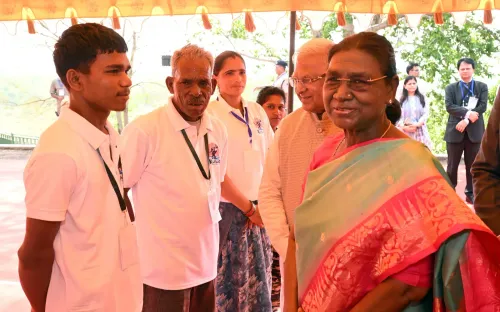
PM Modi further emphasized that the advancements in cheetah conservation could not have been realized without the support of citizens.
"Our achievements in cheetah conservation have been made possible through the collective effort of our people, especially our dedicated Cheetah Mitras. Protecting wildlife and coexisting harmoniously with nature are fundamental to India’s civilizational ethos, and we see this spirit manifesting in these initiatives," he added.
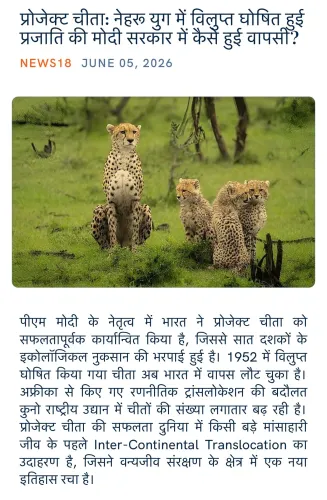
PM Modi has been a driving force behind cheetah conservation in the nation. He played a crucial role in initiating 'Project Cheetah', an intercontinental translocation project aimed at reintroducing cheetahs into India after their extinction in the country in 1952.
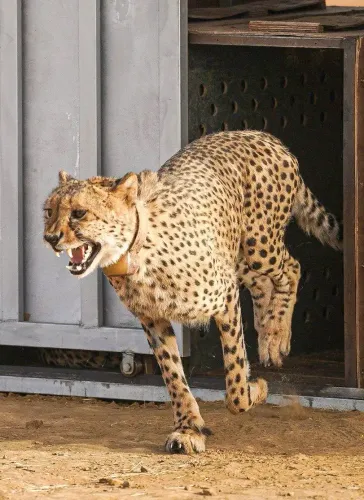
This project commenced on September 17, 2022, with the release of eight cheetahs from Namibia into Kuno National Park in Madhya Pradesh by PM Modi.
With this, the long-lost cheetahs have returned to the nation’s ecosystem.
International Cheetah Day was established by the Cheetah Conservation Fund (CCF), a leading organization dedicated to cheetah protection worldwide.
This date commemorates the life of 'Khayam', a cheetah cub raised by CCF founder Dr. Laurie Marker, whose narrative drew global attention to the urgent necessity for conservation as cheetah populations rapidly decreased.
Once widespread across Africa, Asia, and the Middle East, cheetahs are now facing significant threats due to habitat destruction, illegal wildlife trafficking, and conflicts with human settlements. Their populations have dramatically declined, with fewer than 7,000 left in the wild. Certain subspecies, like the Asiatic cheetah, are critically endangered, highlighting the urgent need for ongoing conservation efforts both in India and globally.
Point of View
The achievements in cheetah conservation reflect India's commitment to preserving its biodiversity. The collaborative efforts of the government and local communities demonstrate a proactive approach to ecological restoration. It is imperative to continue prioritizing wildlife protection as it aligns with India's cultural values and ecological responsibilities.
NationPress
3 Oct 2026
Frequently Asked Questions
What is International Cheetah Day?
International Cheetah Day is observed on December 4 each year to raise awareness about the conservation challenges faced by cheetahs and to promote global initiatives aimed at ensuring their survival.
What is Project Cheetah?
Project Cheetah is an initiative launched by the Indian government to reintroduce cheetahs into India, focusing on protecting this species and restoring its habitat.
Where can you see cheetahs in India?
Cheetahs can currently be seen thriving in habitats such as Kuno National Park and Gandhi Sagar Sanctuary in India.
Why are cheetahs endangered?
Cheetahs are endangered due to habitat loss, illegal wildlife trade, and conflicts with human settlements, leading to a sharp decline in their populations.
What role do local communities play in conservation?
Local communities are crucial in conservation efforts, as their support and involvement in initiatives like Project Cheetah contribute significantly to the preservation of wildlife.