Kishan Reddy: PM Modi flags off India's first hydrogen train
Synopsis
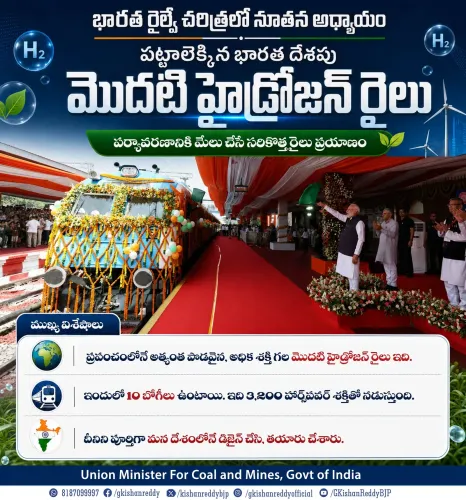
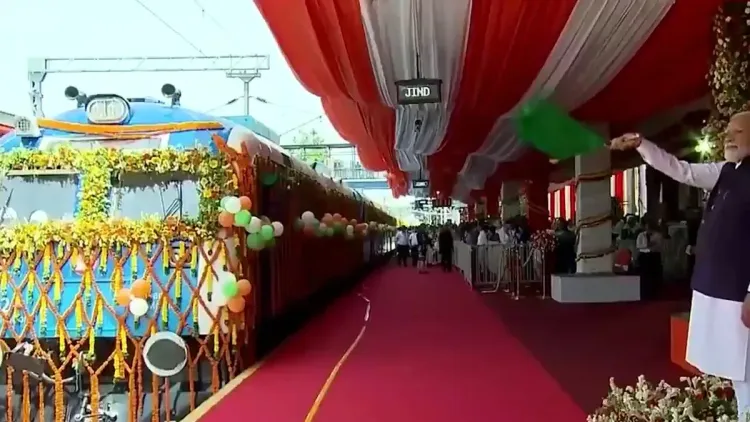
Prime Minister Modi on 17 July 2026 flagged off India's first hydrogen-powered train between Jind and Sonipat, Haryana. Union Minister G. Kishan Reddy hailed the 10-coach, water-vapour-only-emission train as a landmark in India's clean energy and green mobility push under the National Green Hydrogen Mission.
Key Takeaways
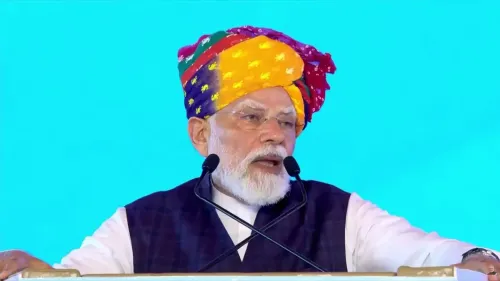
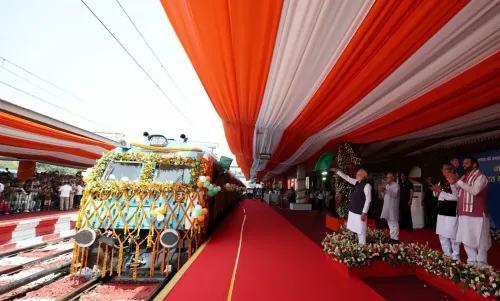
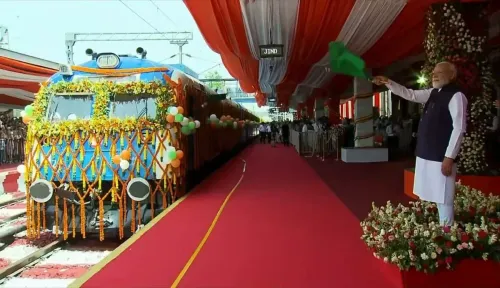
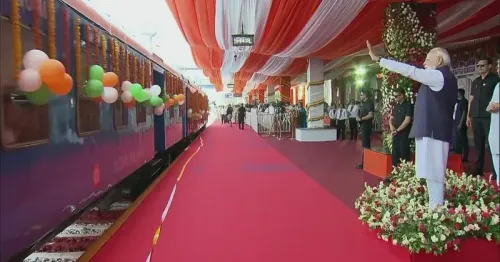
Prime Minister Narendra Modi flagged off India's first hydrogen-powered passenger train on 17 July 2026 from Jind Railway Station , Haryana.
The train operates on the Jind–Sonipat corridor and emits only water vapour, producing zero direct air pollutants.
The 10-coach service is designed to carry nearly 2,600 passengers , claimed to be the highest capacity among hydrogen trains globally.
The launch aligns with the National Green Hydrogen Mission (approved 2023) and Indian Railways' net-zero target by 2030.
Kishan Reddy described the initiative as reflecting India's commitment to clean energy, green mobility, and technological innovation.
Further route expansions and integration with renewable hydrogen production clusters are expected to follow.
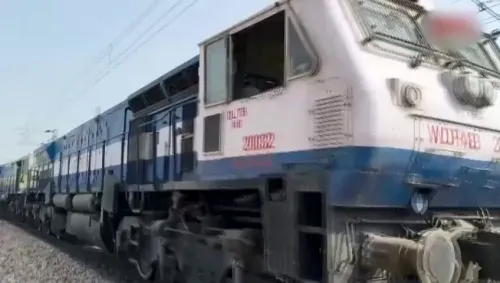
Union Coal and Mines Minister G. Kishan Reddy on Friday, 17 July 2026, hailed Prime Minister Narendra Modi's flagging off of India's first hydrogen-powered passenger train, which commenced service between Jind and Sonipat in Haryana from Jind Railway Station. The 10-coach train, powered by a hydrogen fuel cell system, emits only water vapour and is described as among the longest hydrogen-powered passenger trains developed to date.
Context
Reddy, who also serves as BJP Telangana state president, shared the development on X, calling it a reflection of 'India's commitment to clean energy, green mobility, and technological innovation.' The minister noted that the train is designed to carry nearly 2,600 passengers, which he described as the highest passenger capacity among hydrogen trains globally — a significant benchmark if validated through independent assessment.
The route connects Jind and Sonipat, two cities in Haryana, marking the first revenue-service deployment of hydrogen traction on the Indian Railways network. The inauguration was conducted by Prime Minister Modi in person at Jind Railway Station.
Policy Backdrop
The launch is directly linked to the National Green Hydrogen Mission, approved by the central government in 2023, which aims to scale hydrogen production and its application across sectors including heavy transport. Indian Railways has separately committed to achieving net-zero carbon emissions by 2030, making alternative-fuel traction a strategic priority.
India's broader 2070 net-zero pledge, made at COP26, has accelerated policy focus on decarbonising transport. The hydrogen train project continues earlier pilot explorations of fuel-cell technology on non-electrified rail corridors and runs parallel to similar programmes in Europe and Japan, where hydrogen trains have been in limited operation since the late 2010s.
Stakeholders and Impact
For everyday rail passengers on the Jind–Sonipat corridor, the service represents a cleaner commute with zero direct emissions at the point of use. For the clean energy sector, the inauguration signals a commercially significant demand anchor for domestic green hydrogen production, potentially attracting investment in electrolyser manufacturing and hydrogen refuelling infrastructure along rail corridors.
The project also carries industrial implications for Haryana, positioning the state as an early host of next-generation rail technology. Parliamentary scrutiny of funding allocations in upcoming railway budgets is expected as the government considers expanding the model to additional routes.
What's Next
Attention will now turn to whether the government announces further route expansions and how hydrogen supply chains — ideally linked to renewable energy sources — will be developed to sustain operations at scale. Integration with renewable hydrogen production clusters near rail corridors will be a key logistical and policy challenge. The success of the Jind–Sonipat service is likely to inform decisions on the pace and geography of any national rollout.
Point of View
Giving the National Green Hydrogen Mission a high-visibility transport use case ahead of Indian Railways' self-imposed 2030 net-zero deadline. Minister Kishan Reddy's amplification of the event underscores the BJP's effort to frame infrastructure firsts as proof of governance delivery, particularly in a state like Haryana where the party has electoral stakes. The global context matters: hydrogen rail has struggled with cost and supply-chain challenges in Europe and Japan, meaning India's ability to scale this beyond a single route will be the real test of the mission's ambitions. Parliamentary scrutiny of budgetary commitments and independent verification of the technical specifications will determine whether this launch is a turning point or a showcase moment.
NationPress
16 Oct 2026
Frequently Asked Questions
What is India's first hydrogen-powered train and where does it run?
India's first hydrogen-powered passenger train runs between Jind and Sonipat in Haryana. It was flagged off by Prime Minister Narendra Modi on 17 July 2026 from Jind Railway Station.
How does the hydrogen train work and what does it emit?
The train uses a hydrogen fuel cell system to generate electricity for traction. Its only emission is water vapour, making it a zero-direct-emission mode of transport.
What is the passenger capacity of India's hydrogen train?
The 10-coach train is designed to carry nearly 2,600 passengers, which the government describes as the highest capacity among hydrogen-powered trains globally.
What is the National Green Hydrogen Mission and how is it related?
The National Green Hydrogen Mission is a central government programme approved in 2023 to promote green hydrogen production and its use across sectors including transport. The hydrogen train project is a key application under this mission.
Will the hydrogen train be expanded to other routes in India?
No formal expansion announcement has been made yet. Policy watchers expect the government to assess the Jind–Sonipat service before announcing further routes, with integration of renewable hydrogen supply chains being a key consideration.