CM Samrat Choudhary Highlights 99% Rail Electrification Under Modi
Synopsis
Bihar CM Samrat Choudhary cited PM Modi on 17 July 2026, noting India electrified nearly 99% of its rail network in 12 years — after only 30% was electrified in the 90 years from 1925 to 2014. The post also flagged India's upcoming hydrogen-train initiative.
Key Takeaways
Bihar Chief Minister Samrat Choudhary shared the statistic on 17 July 2026 , attributing it to PM Narendra Modi .
Indian Railways electrification began in 1925 ; by 2014 , only about 30% of the network was electrified.
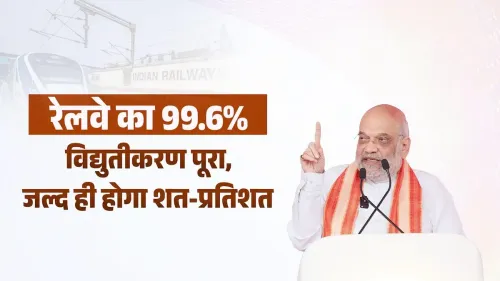
In the 12 years from 2014 to 2026, electrification rose to approximately 99% of the rail network.
The remaining 70% of the network ran on diesel traction as recently as 2014 .
The post's #Hydrogen_train hashtag signals India's next green-rail ambition for non-electrified and heritage routes.
The electrification push is part of a broader decarbonisation strategy that also includes Dedicated Freight Corridors and high-speed rail.
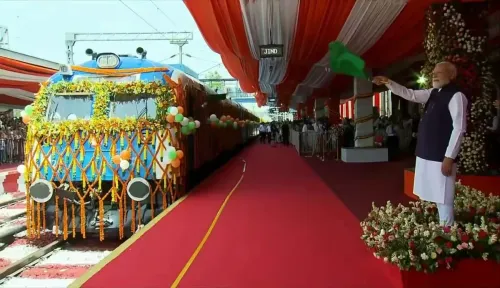
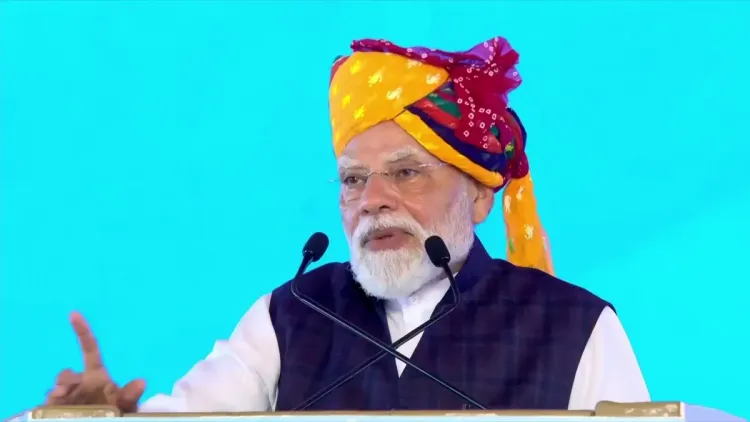
Bihar Chief Minister Samrat Choudhary on Friday, 17 July 2026, shared a striking statistic attributed to Prime Minister Narendra Modi, highlighting that India has achieved nearly 99% electrification of its rail network in the last 12 years — a feat that eluded the country for nearly nine decades prior.
Quoting the Prime Minister, CM Choudhary wrote: '1925 से लेकर 2014 तक करीब 90 साल में पूरे देश के रेल नेटवर्क का करीब 30% ही बिजलीकरण हो पाया था' — ('From 1925 to 2014, in roughly 90 years, only about 30% of the entire country's rail network had been electrified'). The post also carried the hashtag #Hydrogen_train, signalling the next frontier in India's green rail ambitions.
Context
Electrification of Indian Railways began in 1925 on a section of the then Great Indian Peninsula Railway, making it one of the earliest electrified rail systems in Asia. However, progress over the following nine decades was incremental: by 2014, roughly 70% of the network still ran on diesel traction, with only about 30% electrified.
The post frames the period from 2014 to 2026 as a decisive turning point, during which the share of electrified routes climbed from 30% to approximately 99% — compressing nearly a century's worth of unfinished work into a single decade.
Policy Backdrop
Successive five-year plans after independence did expand electrified routes, but the pace remained slow due to capital constraints and competing priorities. A formal push for full broad-gauge electrification was reiterated in railway budget documents from 2015 onward, with annual targets set for route kilometres converted.
The accelerated electrification drive has been positioned by the central government as a core pillar of India's decarbonisation strategy in transport. Eliminating diesel traction reduces both fuel import costs and carbon emissions, while also lowering operational expenditure for Indian Railways. Parallel investments in Dedicated Freight Corridors and high-speed rail projects have further reinforced the need for a fully electrified backbone.
Stakeholders and Impact
The shift from diesel to electric traction directly benefits railway passengers through faster, quieter, and more reliable services. Freight operators stand to gain from lower haulage costs and more consistent schedules on electrified corridors.
The hashtag #Hydrogen_train in CM Choudhary's post points to the next phase: a pilot initiative to introduce hydrogen fuel-cell trains on routes where electrification may be impractical — such as heritage lines or remote stretches — positioning hydrogen as a zero-emission complement rather than a replacement for the electrified network.
What's Next
With the broad-gauge electrification target nearly complete, attention is turning to the commercial rollout of hydrogen trains and the integration of solar and wind energy into railway traction supply — moves that would make Indian Railways not just electrified but genuinely green-powered.
As Bihar remains one of the states with significant rail traffic for both passengers and freight, CM Choudhary's amplification of this milestone underscores the political salience of railway modernisation ahead of upcoming electoral cycles in the state.
Point of View
Choudhary signals alignment with the Centre's infrastructure messaging while also staking a claim for Bihar's share in the modernisation story. The hydrogen-train hashtag is equally calculated: it pivots the conversation from a completed milestone to a forward-looking aspiration, keeping the BJP's development narrative dynamic. Taken together, the post is less about railway policy and more about framing a decade of central rule as a transformational break from seven decades of incremental governance.
NationPress
15 Oct 2026
Frequently Asked Questions
What percentage of Indian Railways is electrified in 2026?
According to a post by Bihar CM Samrat Choudhary citing PM Narendra Modi, approximately 99% of India's rail network had been electrified as of 2026, up from around 30% in 2014.
When did railway electrification start in India?
Railway electrification in India began in 1925 on a section of the then Great Indian Peninsula Railway, making it one of Asia's earliest electrified rail systems.
How much of Indian Railways was electrified before 2014?
Before 2014, only about 30% of the Indian Railways network was electrified despite 90 years of effort since 1925; the remaining 70% ran on diesel traction.
What is the hydrogen train project in India?
India's hydrogen train initiative is a pilot programme to introduce hydrogen fuel-cell trains as a zero-emission option on routes — such as heritage or remote lines — where overhead electrification is impractical.
Why is Bihar CM Samrat Choudhary talking about Indian Railways?
CM Choudhary shared a statistic attributed to PM Modi on railway electrification to highlight central government infrastructure achievements, a key BJP governance talking point relevant to Bihar's large passenger and freight rail traffic.