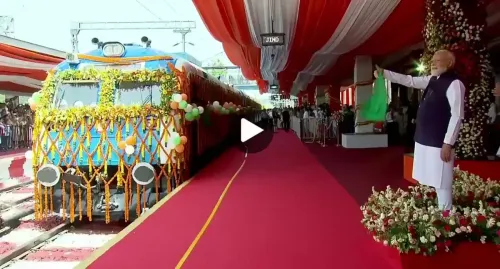
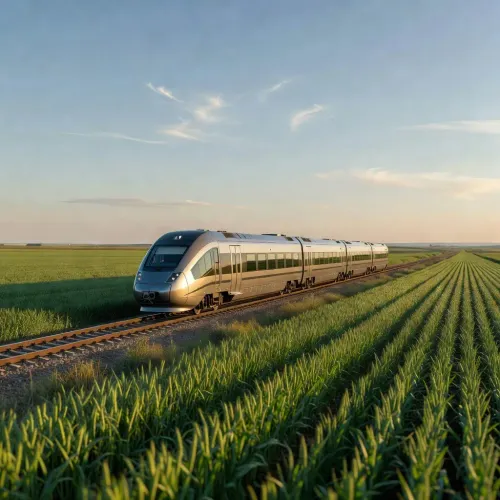
Bihar CM Samrat Choudhary Hails India's First Hydrogen DEMU Train Approval
Synopsis
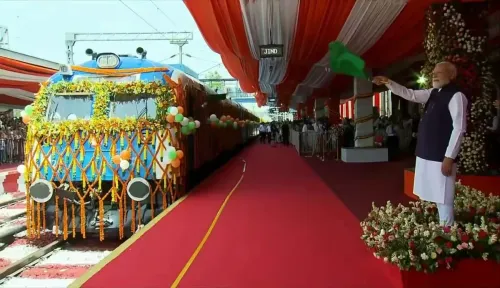
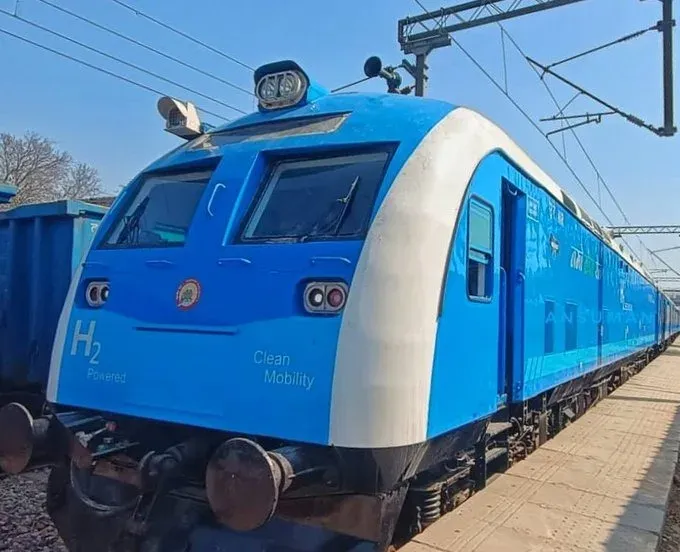
Bihar Chief Minister Samrat Choudhary has hailed the approval of India's first hydrogen fuel-cell 10-coach DEMU train as a landmark for green and modern Indian Railways. He credited PM Modi's leadership for the milestone, linking it to Atmanirbhar Bharat and India's clean energy ambitions.
Key Takeaways
Bihar CM Samrat Choudhary welcomed the approval of India's first hydrogen-powered 10-coach DEMU train on May 27, 2026 .
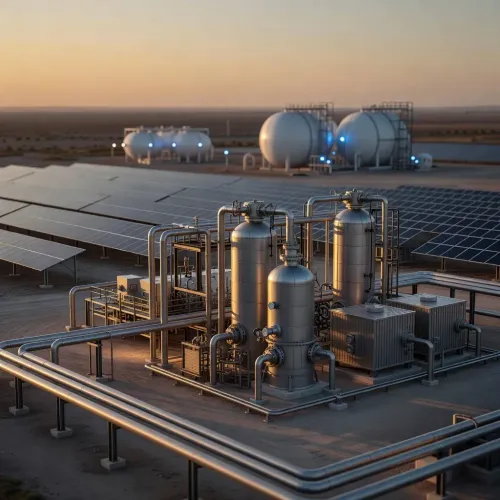
The train will use hydrogen fuel-cell technology , making it a zero-emission alternative to diesel-powered DEMU trains on non-electrified routes.
The development aligns with India's National Hydrogen Mission (announced 2021) and the Atmanirbhar Bharat initiative (launched 2020).
Indian Railways has been pursuing hydrogen train development as part of its commitment to India's 2070 net-zero target .
The move is expected to benefit passengers on rural and semi-urban non-electrified routes and stimulate the domestic clean energy sector .
Next steps include prototype development, testing, and a deployment timeline for the hydrogen DEMU fleet.
Bihar Chief Minister Samrat Choudhary on Wednesday, May 27, 2026, welcomed the approval of India's first hydrogen-powered 10-coach DEMU train, calling it a strong foundation for a green and modern future for Indian Railways. Posting on X, he framed the development as a milestone for both environmental conservation and the Atmanirbhar Bharat mission.
Context
In his post, CM Choudhary wrote: 'स्वच्छ ऊर्जा से सशक्त होता आत्मनिर्भर भारत' ('An Atmanirbhar Bharat empowered by clean energy'). He described the approved train as one that will run on hydrogen fuel-cell technology, giving new momentum to India's twin commitments of environmental protection and self-reliance. He attributed the milestone to the leadership of Prime Minister Narendra Modi, stating that Indian Railways is continuously reaching new heights of innovation and green development under his guidance.
Policy Backdrop
Indian Railways has been pursuing hydrogen fuel-cell train development as part of a broader decarbonisation drive that aligns with India's 2070 net-zero pledge. The National Hydrogen Mission, announced in 2021, laid the policy groundwork for scaling green hydrogen production and its adoption across sectors including transport. The Atmanirbhar Bharat initiative, launched in 2020, has simultaneously pushed domestic research and development in alternative fuels, positioning India to develop indigenous fuel-cell capabilities rather than rely on imported technology.
Railways modernisation has been a recurring theme of the current central government, spanning electrification of routes, introduction of Vande Bharat trainsets, and now the move toward zero-emission hydrogen propulsion. A hydrogen-powered DEMU — Diesel Electric Multiple Unit — is particularly significant because DEMU trains currently operate on diesel in non-electrified sections, making them a direct target for decarbonisation efforts.
Stakeholders and Impact
The transition to hydrogen fuel-cell trains would most directly benefit railway passengers on non-electrified rural and semi-urban routes, where DEMU trains are the primary mode of connectivity. For the clean energy sector, the approval signals a firm procurement pipeline that could catalyse investment in domestic hydrogen production, storage, and fuel-cell manufacturing. Reduced dependence on imported diesel would also carry long-term implications for India's fuel import bill and carbon emissions from the rail network.
The development fits a broader pattern visible across Indian transport policy: coupling environmental goals with technology self-reliance. By developing hydrogen rail capability domestically, India aims to build an exportable expertise in green transport, consistent with the Atmanirbhar Bharat framework.
What's Next
The immediate focus will be on the timeline for prototype development, testing, and initial deployment of the hydrogen DEMU train by Indian Railways. Successful commissioning would mark a landmark in South Asian rail history and could set a template for scaling hydrogen propulsion across the broader fleet. Observers will also watch whether the National Hydrogen Mission receives supplementary allocations to support the fuel supply chain required for operating such trains at scale.
Point of View
If it proceeds on schedule, would represent a genuine technological leap for Indian Railways, which still runs significant diesel operations on non-electrified routes. More broadly, the post reflects the BJP's strategy of weaving together self-reliance, clean energy, and rail modernisation into a single coherent governance story. The real test will be in execution: whether domestic fuel-cell supply chains and hydrogen production infrastructure can be built fast enough to make the train operationally viable at scale.
NationPress
11 Oct 2026
Frequently Asked Questions
What is India's first hydrogen train and when was it approved?
India's first hydrogen-powered train is a 10-coach DEMU (Diesel Electric Multiple Unit) that runs on hydrogen fuel-cell technology. Bihar CM Samrat Choudhary referenced its approval in a post on May 27, 2026 , though the precise date of the official approval order has not been publicly detailed.
How does a hydrogen fuel-cell train work?
A hydrogen fuel-cell train generates electricity through a chemical reaction between hydrogen and oxygen inside a fuel cell, powering electric traction motors. It emits only water vapour, making it a zero-emission alternative to conventional diesel trains.
Why is a hydrogen DEMU train significant for Indian Railways?
DEMU trains currently operate on diesel on non-electrified sections of the Indian rail network. Replacing them with hydrogen fuel-cell variants would directly cut carbon emissions on those routes and reduce India's dependence on imported diesel.
What is the National Hydrogen Mission?
The National Hydrogen Mission was announced by the Indian government in 2021 to scale up domestic green hydrogen production and promote its adoption across sectors including transport, industry, and energy storage.
What is Atmanirbhar Bharat and how does it relate to the hydrogen train?
Atmanirbhar Bharat is a self-reliance initiative launched in 2020 to boost domestic manufacturing and technology development. The hydrogen DEMU train project fits this framework by developing indigenous fuel-cell rail capability rather than importing the technology.