PM Modi flags women empowerment boost from Arvind Limited plant in Varanasi
Synopsis
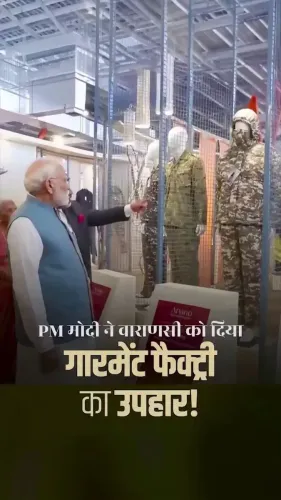
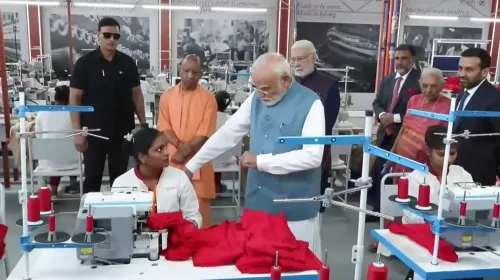
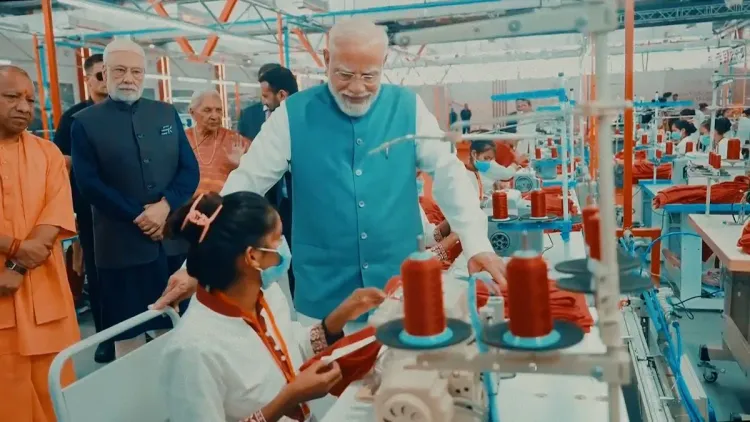
Prime Minister Narendra Modi on 25 October 2026 publicly highlighted Arvind Limited's garment manufacturing facility in Varanasi, his parliamentary constituency, praising its role in advancing women's empowerment through formal industrial employment in eastern Uttar Pradesh.
Key Takeaways
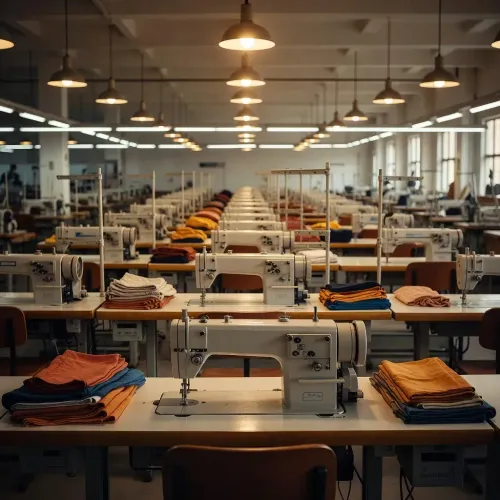
Prime Minister Narendra Modi on 25 October 2026 highlighted Arvind Limited's garment manufacturing facility in Varanasi .
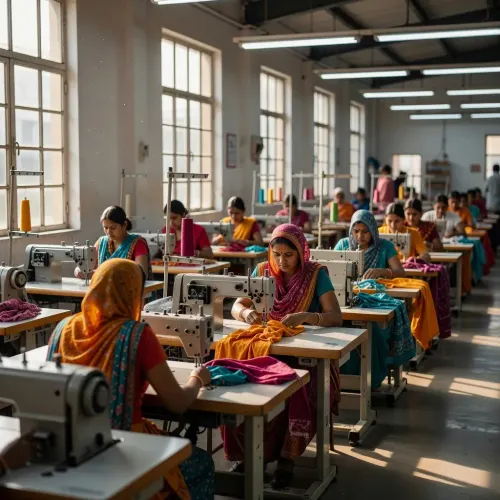
Modi described women's empowerment as 'one of the best aspects' of the facility, framing it as a gender-inclusive industrial investment.
Varanasi is Modi's parliamentary constituency in Uttar Pradesh , making corporate investment there politically and symbolically significant.
Arvind Limited is one of India's largest integrated textile and apparel manufacturers.
The garment sector is a major employer of women in India, particularly in Tier-2 and Tier-3 cities.
Employment and women-participation data from the facility will be the key indicator of its real-world impact.
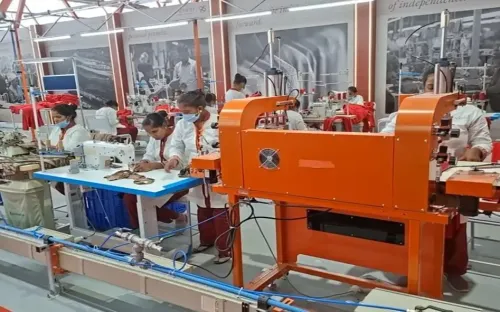
A textile factory in the Prime Minister's own constituency is drawing national attention — and Prime Minister Narendra Modi wants the country to notice why. On Sunday, 25 October 2026, Modi spotlighted Arvind Limited's garment manufacturing facility in Varanasi, calling its potential impact on women's empowerment one of the plant's standout features.
Arvind Limited's Varanasi footprint
Arvind Limited is one of India's largest integrated textile and apparel manufacturers, with a track record spanning decades in fabric production, branded apparel, and garment exports. The company's decision to anchor a garment facility in Varanasi — a city in eastern Uttar Pradesh better known for its weaving heritage and the Banarasi saree tradition — represents an industrial expansion into a region where formal manufacturing employment, particularly for women, has historically lagged behind western and southern industrial corridors.
Modi described the women-empowerment dimension as 'one of the best aspects' of the facility, signalling that job creation for female workers is a central lens through which he is framing the investment to the public.
Varanasi's double identity: pilgrimage city, emerging industrial hub
Varanasi is not just a spiritual landmark — it is Modi's own Lok Sabha constituency, making every economic development announcement from the city carry dual political and policy weight. Since 2014, the constituency has been the site of multiple infrastructure and industrial initiatives, from the redevelopment of the Kashi Vishwanath corridor to port and expressway connectivity upgrades along the Ganga. A large-scale garment manufacturing facility slots into that broader industrial narrative, adding private-sector employment to what has largely been a public-investment story.
The textile sector is among India's largest employers of women, particularly at the shopfloor level, making garment plants a direct lever for gender-inclusive economic participation in Tier-2 and Tier-3 cities.
The 'Make in UP' thread running through the post
Modi's communications have consistently amplified private manufacturing projects in Uttar Pradesh that intersect with job generation and gender equity — a pattern that aligns with both the state's industrial policy push and the central government's broader agenda around women-led development. Highlighting a corporate facility through a personal social-media post is also a soft signal to other manufacturers that investment in the region carries political visibility at the highest level.
What the facility ultimately delivers in employment numbers — and how many of those jobs go to women — will be the metric that determines whether this moment becomes a durable talking point or a headline that fades.
Point of View
Not just a pilgrimage city. Tying the facility explicitly to women's empowerment also aligns with the BJP's 'Nari Shakti' messaging, converting a corporate expansion announcement into a gender-policy statement. Varanasi continues to serve as a live showcase for the developmental pivot Modi has championed since 2014, and each such post adds another data point to that carefully curated record. The real test will come when employment figures from the facility are public.
NationPress
25 Oct 2026
Frequently Asked Questions
What is Arvind Limited's garment facility in Varanasi?
Arvind Limited, one of India's largest textile and apparel manufacturers, has established a garment manufacturing facility in Varanasi, Uttar Pradesh. Prime Minister Modi highlighted the plant on 25 October 2026 for its potential to create employment, particularly for women.
Why is PM Modi highlighting a private company's factory?
Varanasi is Modi's own Lok Sabha constituency, so developments there carry direct political and policy significance. By spotlighting the facility, he is showcasing private-sector investment in eastern Uttar Pradesh and reinforcing a women's-empowerment narrative tied to formal manufacturing jobs.
How does garment manufacturing help women's empowerment in India?
The textile and garment sector is one of India's largest employers of women at the shopfloor level. Factories in Tier-2 cities like Varanasi provide formal wages, social-security benefits, and economic independence to women who might otherwise have limited access to structured employment.
What is Arvind Limited known for in India?
Arvind Limited is a major integrated textile conglomerate with operations spanning denim and fabric manufacturing, branded apparel retail, and garment exports. It has been a significant player in India's textile industry for decades.
What industrial projects has Modi promoted in Varanasi?
Since 2014, Varanasi has seen multiple government-backed projects including the Kashi Vishwanath Corridor redevelopment, Ganga expressway and port connectivity, and various urban-infrastructure upgrades. The Arvind Limited garment facility is among the private-sector investments now being amplified from the constituency.