PM Modi Greets Nation on Rath Yatra, Hails India's Spiritual Heritage
Synopsis
Prime Minister Narendra Modi greeted the nation on Rath Yatra, calling the festival a radiant expression of India's timeless spiritual and cultural heritage and noting that its traditions of humility and collective devotion have inspired generations across India and the world.
Key Takeaways
Prime Minister Narendra Modi extended greetings on Rath Yatra on 16 July 2026 , calling it 'a radiant expression of India's timeless spiritual and cultural heritage.' Rath Yatra is centred on the chariot procession of Lord Jagannath in Puri, Odisha , one of Hinduism's four Char Dham pilgrimage sites.
The festival draws millions of devotees annually and is observed by Indian diaspora communities across the world.
The PRASAD scheme (launched 2014-15 ) and the Swadesh Darshan scheme ( 2014 ) have both prioritised Puri for pilgrimage infrastructure and heritage tourism development.
Modi's message emphasised values of humility and collective devotion as defining characteristics of the Rath Yatra tradition.
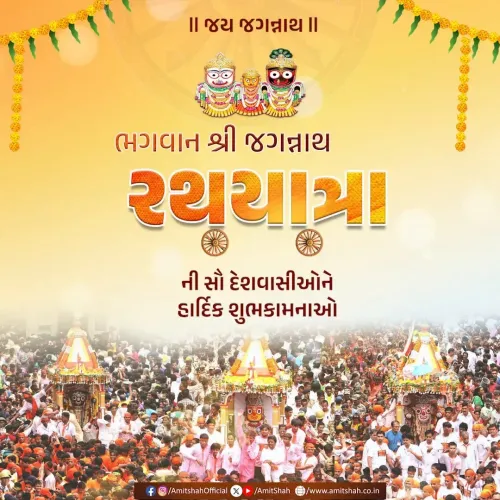
Prime Minister Narendra Modi extended greetings to the nation on the occasion of Rath Yatra, describing the festival as 'a radiant expression of India's timeless spiritual and cultural heritage.' The message, posted on Thursday, 16 July 2026, underscored the traditions of the annual chariot festival as an enduring source of inspiration for generations of devotees across India and the world.
Context
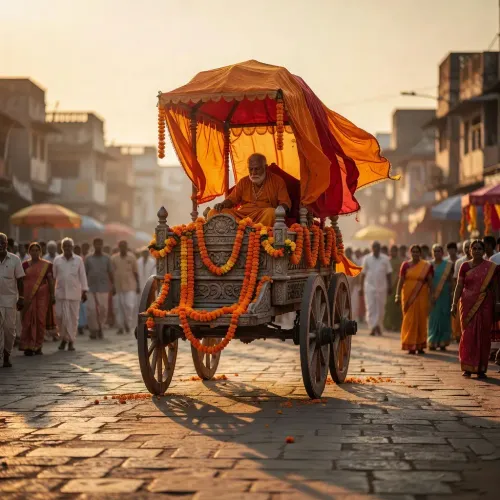
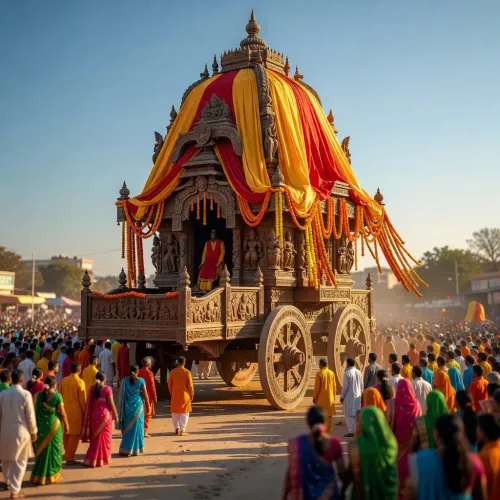
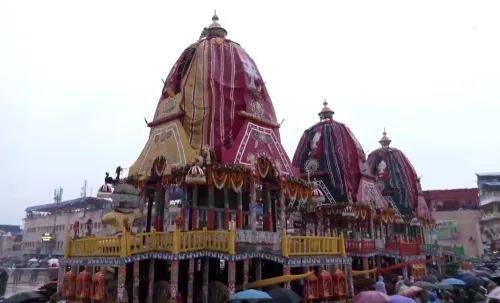
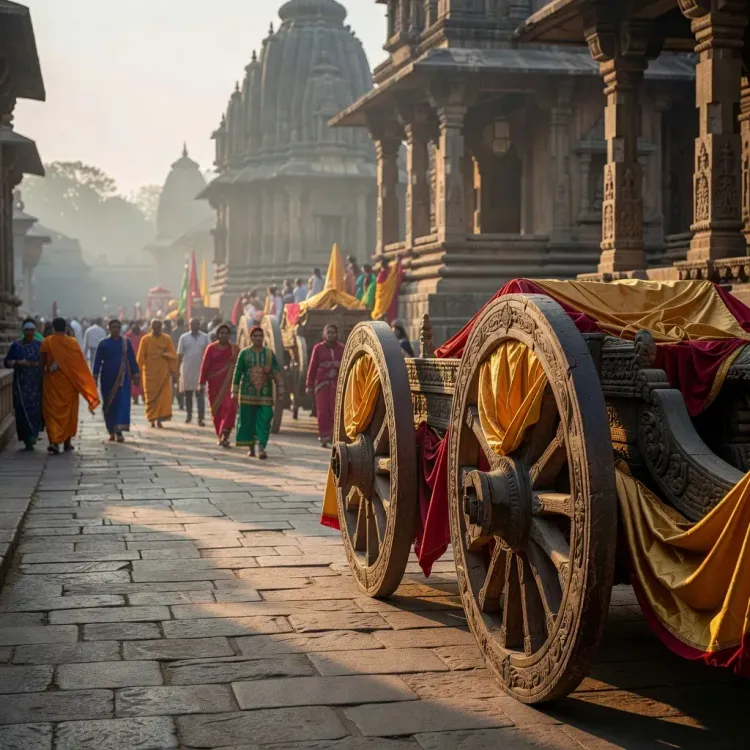
Rath Yatra is one of Hinduism's most ancient and widely observed festivals, centred on the grand chariot procession of Lord Jagannath through the streets of Puri, a coastal pilgrimage city in Odisha. Millions of devotees converge on Puri each year to pull the towering wooden chariots, a ritual believed to confer immense spiritual merit. The festival draws participants not only from across India but also from diaspora communities and international pilgrims, making it one of the largest religious gatherings in the world.
The Jagannath Temple in Puri, the focal point of the Rath Yatra, is among Hinduism's four sacred Char Dham sites. Its traditions of collective worship and the symbolic accessibility of the deity — who emerges from the temple to meet all devotees regardless of social standing — have long been cited as embodiments of humility and unity.
Policy Backdrop
Prime Minister Modi's message arrives against a sustained policy emphasis on pilgrimage infrastructure and heritage tourism. The PRASAD scheme, launched in 2014-15, identified Puri as a priority site for development of pilgrim amenities and conservation of heritage precincts around the Jagannath Temple. Separately, the Swadesh Darshan scheme, introduced in 2014, incorporated Puri and the Rath Yatra route within its tourism promotion framework.
These initiatives reflect a broader pattern in which festival messaging from the Prime Minister is paired with targeted central spending on temple towns and pilgrimage corridors. The approach simultaneously addresses domestic religious tourism demand and projects India's spiritual traditions to international audiences, including the Indian diaspora.
Stakeholders and Impact
The Rath Yatra's economic and cultural footprint extends well beyond the religious sphere. Odisha's tourism sector receives a significant annual boost from the festival, with hotels, transport operators, and local artisans all benefiting from the surge in pilgrim and tourist arrivals in Puri. Crowd management, heritage conservation, and sanitation infrastructure around the Jagannath Temple precinct have been recurring priorities for both the state government and central agencies.
For the Indian diaspora, the festival holds deep cultural resonance. Rath Yatra processions are held in cities across the United Kingdom, the United States, Canada, and other countries, often drawing participation from non-Indian communities as well. Modi's message, framed around values of humility and collective devotion, speaks directly to this global audience.
What's Next
Attention will now turn to whether upcoming central or Odisha state budget allocations include fresh provisions for the Puri temple precinct — covering crowd-management technology, heritage conservation, and pilgrim facilities ahead of the next Rath Yatra cycle. Any such announcements would signal the degree to which the government intends to translate its cultural messaging into concrete infrastructure investment. The festival's growing international profile also positions it as a potential vehicle for cultural diplomacy in the months ahead.
Point of View
Collective devotion — the message is calibrated to resonate with both domestic audiences and the global Indian diaspora. Paired with schemes like PRASAD and Swadesh Darshan, such messaging is not merely ceremonial; it functions as a soft signal of continued state investment in religious heritage infrastructure. The political salience of Odisha, where the BJP has sought to consolidate its presence, gives the message an additional strategic dimension.
NationPress
14 Oct 2026
Frequently Asked Questions
What is Rath Yatra and why is it celebrated?
Rath Yatra is an annual Hindu festival celebrating the chariot procession of Lord Jagannath in Puri, Odisha. Devotees pull large wooden chariots through the streets as an act of collective devotion, and the festival is considered one of the oldest and largest religious gatherings in the world.
What did PM Modi say on Rath Yatra 2026?
PM Modi extended greetings to the nation on Rath Yatra, describing it as 'a radiant expression of India's timeless spiritual and cultural heritage' and noting that its traditions have inspired generations across India and the world.
Where is Rath Yatra celebrated in India?
The principal Rath Yatra is held in Puri, Odisha, at the Jagannath Temple, which is one of Hinduism's four Char Dham pilgrimage sites. Smaller Rath Yatra processions are also held in cities across India and in Indian diaspora communities worldwide.
What government schemes support Puri and the Jagannath Temple?
The PRASAD scheme, launched in 2014-15, identified Puri as a priority site for pilgrim infrastructure and heritage development. The Swadesh Darshan scheme, introduced in 2014, also included Puri and the Rath Yatra route within its tourism promotion framework.
When is Rath Yatra 2026?
Rath Yatra in 2026 falls in July, with Prime Minister Modi's greetings posted on 16 July 2026. The exact date of the chariot procession is determined by the Hindu lunar calendar each year.