PM Modi Hails 7.8% GDP Growth as Confidence Signal
Synopsis
Prime Minister Narendra Modi on September 1, 2026 highlighted India's 7.8% GDP growth on X, framing it as a marker of economic confidence. The figure sustains India's position among the world's fastest-growing major economies, continuing a post-2020 trajectory that has defined the government's economic narrative.
Key Takeaways
Prime Minister Narendra Modi posted on X on September 1, 2026 citing 7.8% GDP growth.
The figure follows India's official 8.2% GDP growth recorded for FY 2023-24 by the Ministry of Statistics.
Modi framed the number as evidence of 'strong confidence,' targeting both domestic and international investor audiences.
India has positioned itself as the fastest-growing major economy across multiple years since 2020.
Key watch points include market reaction, the next quarterly GDP release, and RBI commentary on growth momentum.
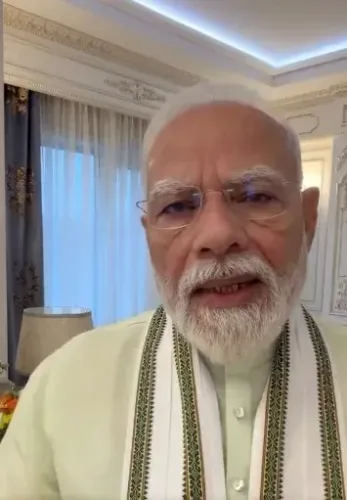
A single number — 7.8% — and Prime Minister Narendra Modi let it do the talking. On Tuesday, September 1, 2026, the Prime Minister took to X to mark what he framed as a moment of both data and conviction, posting: 'Strong numbers. Even stronger confidence.'
What the 7.8% figure signals
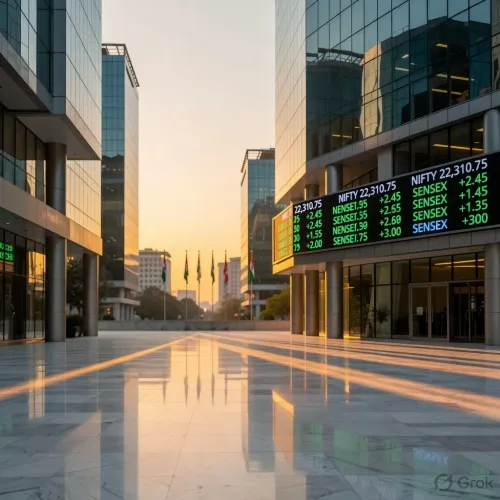
The figure places India firmly in the bracket of the world's fastest-growing major economies. For context, official data from the Ministry of Statistics had pegged GDP growth at 8.2% for FY 2023-24 — meaning the latest print, while slightly lower, sustains a trajectory that has defined India's post-pandemic economic identity. At 7.8%, India continues to outpace peers at a moment when global growth remains uneven.
Modi's playbook: data as political and economic messaging
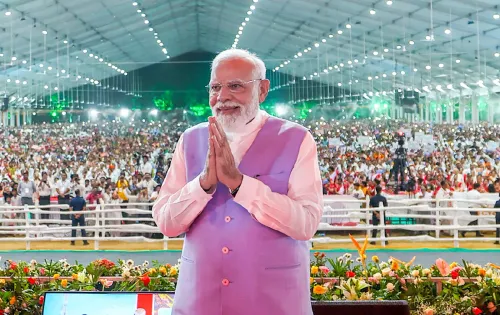
This post fits a deliberate pattern. Since 2014, Prime Minister Modi has consistently used X to spotlight quarterly and annual GDP releases, turning official statistics into a direct-to-voter signal of governance momentum. The audience is dual: domestic — reassuring citizens and the business community — and international, where the numbers speak to investors weighing India against other emerging markets. Three words after a growth figure is a studied choice; brevity amplifies confidence.
What investors and markets will watch next
The immediate question is market reaction — how equity indices, the rupee, and bond yields respond to the print in the sessions ahead. Beyond that, the next quarterly GDP release and any commentary from the Reserve Bank of India will determine whether 7.8% is a floor or a ceiling for the current cycle. Parliamentary sessions often see the government deploy such figures in budget and economic debates, so the number is unlikely to stay on X alone for long.
Growth at 7.8% is a headline. What it becomes — investment catalyst, policy mandate, or election talking point — depends on what follows it.
Point of View
Maximum implied confidence. By invoking 'even stronger confidence' alongside the data, the government is doing something beyond reporting a statistic: it is pre-empting any narrative of slowdown relative to the prior year's 8.2% print. This fits a broader BJP communications arc since 2014 that treats GDP data as a governance report card delivered directly to citizens. The real test is whether the number anchors market sentiment and RBI policy language, or whether opposition voices use the slight moderation from 8.2% to contest the confidence framing.
NationPress
1 Sept 2026
Frequently Asked Questions
What is India's GDP growth rate in 2026?
Prime Minister Narendra Modi cited a 7.8% GDP growth figure in a post on September 1, 2026 , though the specific quarterly or annual period the figure covers was not detailed in the post.
Is India still the fastest-growing major economy?
India has consistently held the position of one of the fastest-growing major economies since 2020. A 7.8% growth rate, if sustained, keeps India well ahead of most comparable large economies globally.
What was India's GDP growth in FY 2023-24?
The Ministry of Statistics officially recorded India's GDP growth at 8.2% for FY 2023-24 , making it one of the strongest annual prints in recent years.
Why does PM Modi post about GDP on social media?
Since 2014 , Prime Minister Modi has used social media to directly highlight economic data releases, framing strong growth figures as evidence of governance momentum and signalling stability to domestic and international investors.
What will markets watch after India's 7.8% GDP data?
Analysts and investors will track equity market and rupee reactions, the next quarterly GDP release, and any commentary from the Reserve Bank of India on whether the growth trajectory is strengthening or moderating.