PM Modi hails Cabinet nod to turn North, South Block into Yuge Yugeen Bharat Museum
Synopsis
The Union Cabinet on November 11, 2026 approved the conversion of New Delhi's historic North and South Block buildings into the Yuge Yugeen Bharat Museum, billed as the world's largest museum display area. PM Modi called it 'a historic new chapter for India's cultural heritage.'
Key Takeaways
The Union Cabinet approved the repurposing of North Block and South Block on Raisina Hill, New Delhi into the Yuge Yugeen Bharat Museum on November 11, 2026 .
The museum is envisioned as the world's largest museum display area , covering ancient knowledge systems, mathematics, astronomy, art, architecture, languages and spirituality.
The project is enabled by the Central Vista redevelopment programme , approved in 2019 , which is building new ministry facilities to allow the blocks to be vacated.
The two Lutyens-era secretariat buildings have served as home to key central ministries — including the Finance Ministry, Home Ministry and the Prime Minister's Office — for over a century.
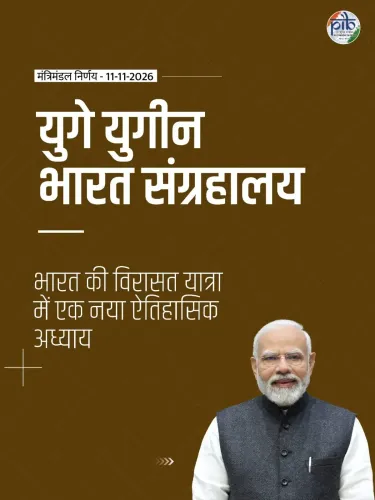
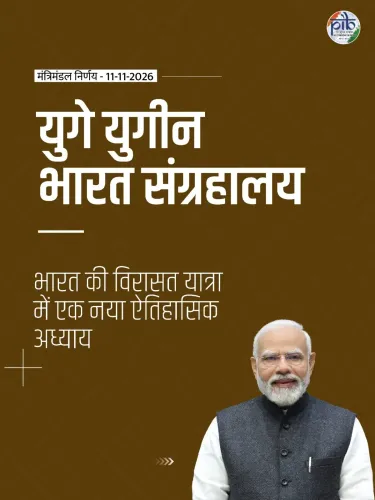
PM Narendra Modi described the Cabinet decision as 'a historic new chapter for India's cultural heritage.' Key next steps include ministry relocation timelines, exhibition curation, and potential international collaborations on gallery content.
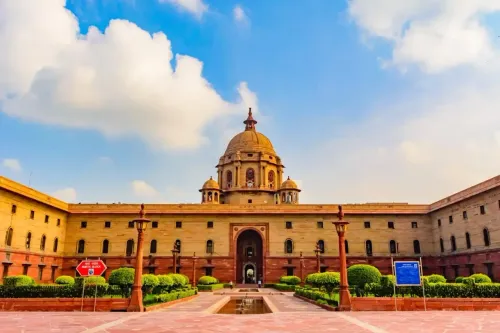
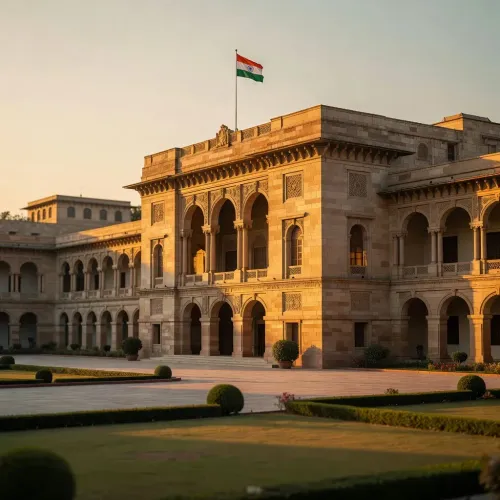
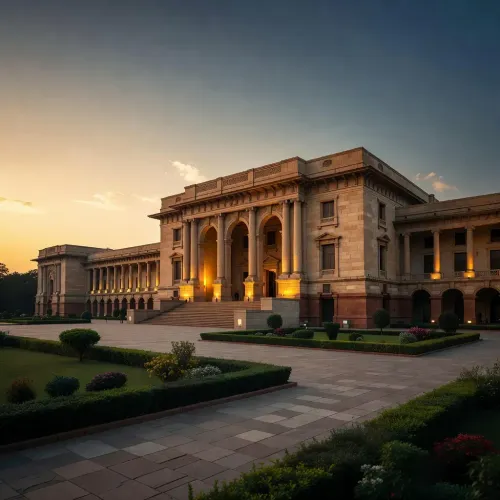
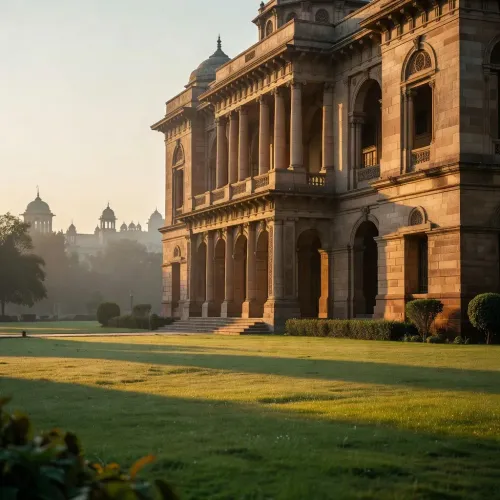
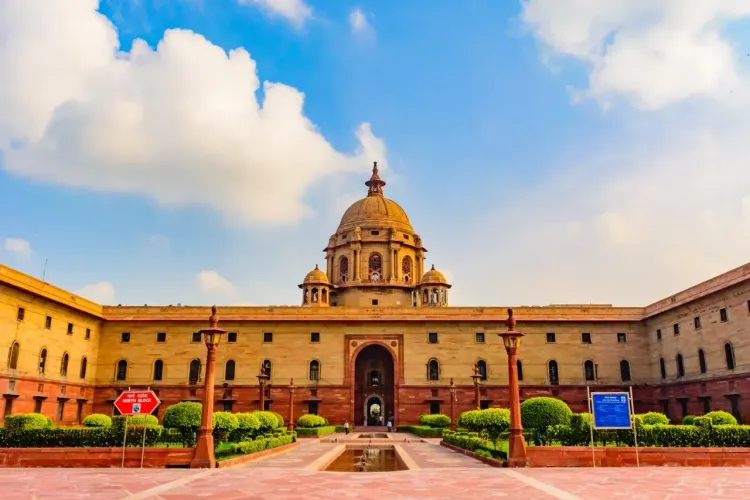
Two of New Delhi's most storied sandstone buildings — the nerve centres of Indian governance for over a century — are set to be reborn as the world's largest museum display area. Prime Minister Narendra Modi on Wednesday, November 11, 2026, welcomed a Union Cabinet decision to transform the iconic North and South Block buildings on Raisina Hill, New Delhi into the Yuge Yugeen Bharat Museum, a sweeping civilisational showcase that will bring thousands of years of Indian heritage to life through immersive galleries and world-class exhibitions.
From secretariat to civilisational showcase
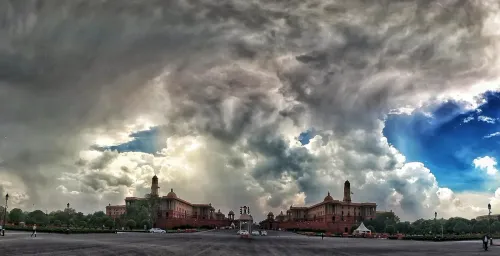
North Block and South Block — the twin early 20th-century secretariat buildings that have long housed the Finance Ministry, the Home Ministry, and the Prime Minister's Office — are part of the historic Central Vista complex. Their relocation of key ministries, enabled by the Central Vista redevelopment project approved in 2019, clears the path for this transformation. The Cabinet's decision on Wednesday is the formal trigger that sets that transition in motion.
PM Modi framed the ambition in bold strokes: 'Imagine New Delhi becoming home to the world's largest museum display area? Think scale. Think culture.' The museum's scope, as described, will span ancient knowledge systems, mathematics and astronomy, architecture, art, languages and spirituality — a horizontal survey of Indian civilisation rendered in stone and screen.
What the Yuge Yugeen Bharat Museum will cover
The name itself signals intent: Yuge Yugeen translates roughly as 'spanning the ages' or 'timeless across epochs.' The museum is designed not as a static archive but as an experiential destination — 'immersive experiences and world-class galleries,' in the Prime Minister's words — aimed at the millions of domestic and international visitors who flock to New Delhi's heritage corridor each year.
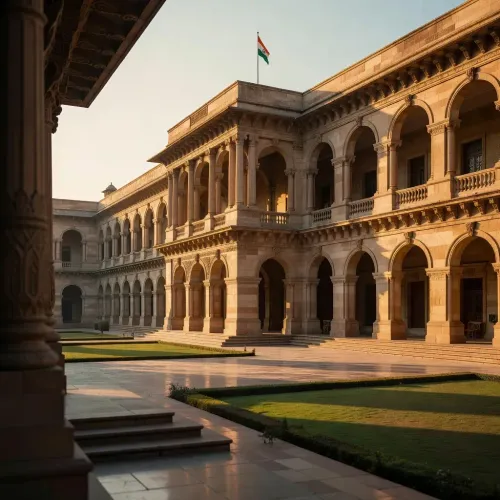
The two Lutyens-era blocks, symmetrically flanking the approach to Rashtrapati Bhavan, offer a combined footprint of exceptional scale, which is precisely what gives the 'world's largest' claim its architectural plausibility. Converting that footprint from bureaucratic offices into curated cultural space is a logistical undertaking that will require parallel completion of new ministry facilities built under the Central Vista programme.
A pattern of reclaiming colonial-era spaces for public culture
The announcement fits a broader government pattern of converting colonial-era administrative buildings into public cultural and heritage venues — a symbolic as much as practical act, recasting structures built for imperial governance as expressions of Indian civilisation on its own terms. Similar repurposing has occurred at other historic government properties in recent years, with the emphasis consistently on displaying ancient Indian knowledge systems alongside art and architecture.
The Ministry of Culture is among the key stakeholders in the project's next phase, which will involve decisions on exhibition curation, possible international collaborations, and the sequencing of construction alongside ministry relocations — the two timelines now inextricably linked.
When the galleries finally open, Raisina Hill will have completed a quiet but profound transformation: from the place where colonial and then independent India governed its people, to the place where those people come to understand who they are.
Point of View
And where independent India's most powerful ministries have sat, into a civilisational museum is a deliberate symbolic inversion. The project's success will ultimately hinge on two unglamorous variables — the pace of ministry relocations and the quality of curatorial vision — but politically, the Cabinet approval hands the government a durable, visually arresting symbol of cultural ambition that will outlast any single electoral cycle.
NationPress
11 Nov 2026
Frequently Asked Questions
What is the Yuge Yugeen Bharat Museum?
The Yuge Yugeen Bharat Museum is a proposed large-scale cultural institution in New Delhi that will occupy the historic North and South Block buildings on Raisina Hill, showcasing India's civilisational heritage through immersive galleries covering ancient knowledge systems, mathematics, astronomy, architecture, art, languages and spirituality.
Where will the Yuge Yugeen Bharat Museum be located?
The museum will be housed in the North Block and South Block buildings on Raisina Hill in New Delhi — the twin Lutyens-era sandstone secretariat buildings that flank the approach to Rashtrapati Bhavan.
When did the Cabinet approve the Yuge Yugeen Bharat Museum?
The Union Cabinet approved the decision to convert North and South Block into the museum on Wednesday, November 11, 2026 .
How is the Central Vista project connected to the museum?
The Central Vista redevelopment project , approved in 2019 , includes construction of new government office buildings. Once ministries currently occupying North and South Block relocate to those new facilities, the historic blocks can be repurposed as the museum.
Why is the museum described as the world's largest museum display area?
North Block and South Block together offer an exceptionally large combined floor-space footprint. Converting that entire footprint into curated gallery and exhibition space is what gives the government's 'world's largest museum display area' claim its architectural basis, though detailed specifications are yet to be formally published.