CM Himanta: Guwahati wins Swachh Survekshan Award
Synopsis
Guwahati has become Assam's first city to receive the Swachh Survekshan Award, conferred by President Droupadi Murmu. CM Himanta Biswa Sarma credited the milestone to sanitation workers and citizens, marking a significant moment for urban governance in northeast India.
Key Takeaways
Guwahati has been named Assam's first-ever Swachh City under the Swachh Survekshan framework.
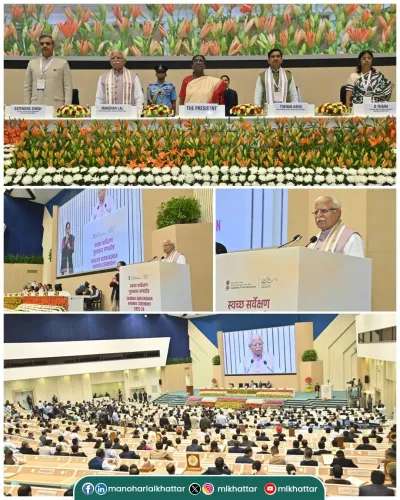
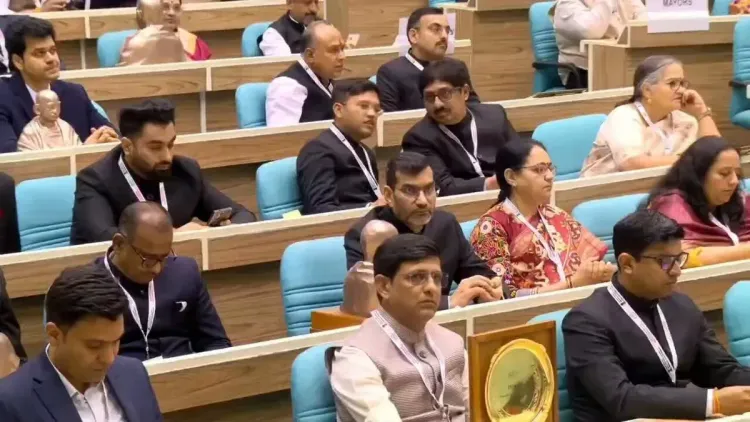
The award was conferred by President Droupadi Murmu at an official ceremony.
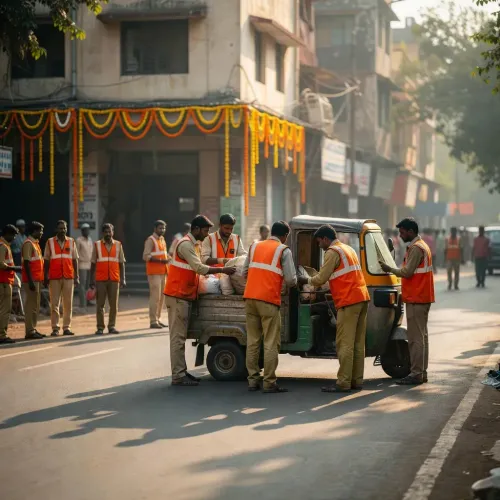
CM Himanta Biswa Sarma credited Safai Karmis , civic workers, and citizens as the true recipients of the honour.
Swachh Survekshan is an annual cleanliness ranking under the Swachh Bharat Mission , launched in October 2014 .
Northeastern states have been increasing their participation in Swachh Survekshan rankings since the mission expanded after 2017 .
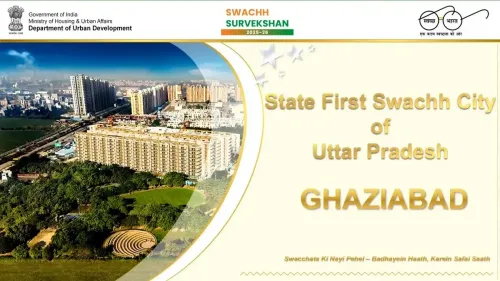
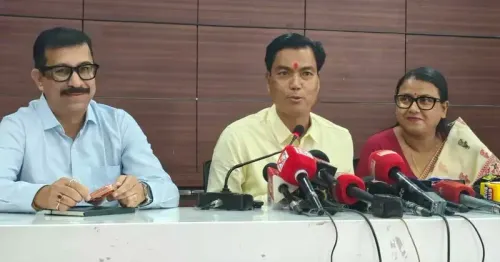
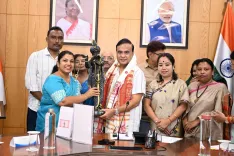
For the first time in its history, Guwahati has been recognised as a Swachh City — a milestone that Assam Chief Minister Himanta Biswa Sarma says belongs not to any government, but to every sanitation worker, civic staffer, and resident who swept, sorted, and pushed the city forward.
Guwahati's first-ever Swachh Survekshan recognition
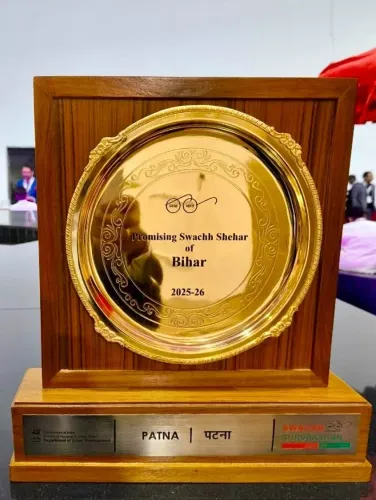
Assam's largest city received the Swachh Survekshan Award, making it the state's first city to earn this distinction under the annual cleanliness ranking conducted by the Ministry of Housing and Urban Affairs. The award was conferred by President of India Droupadi Murmu, and CM Sarma offered his 'sincere gratitude' to her for conferring the honour.
Swachh Survekshan is the central government's flagship annual survey under the Swachh Bharat Mission — launched in October 2014 — that scores cities on waste processing, open defecation elimination, and citizen feedback. It has grown from evaluating a handful of cities to covering urban local bodies across the country, with northeastern states steadily increasing their footprint in the rankings since the mission expanded post-2017.
The workers behind the ranking
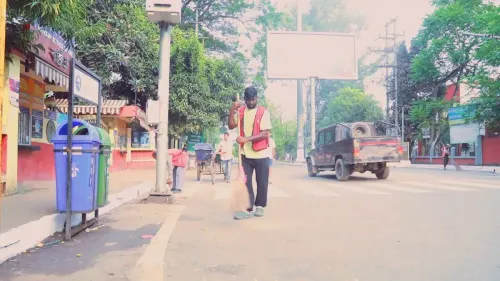
CM Sarma's post explicitly centred the credit on Safai Karmis — sanitation workers — alongside civic employees and ordinary citizens. It is a pointed acknowledgement that headline rankings are built on unglamorous, daily ground-level effort. For Guwahati, a fast-growing metropolitan hub and the commercial capital of the northeast, the recognition signals that urban governance infrastructure is maturing to match the city's economic pace.
What this means for Assam's urban story
Northeastern states have historically lagged behind western and southern Indian cities in Swachh Survekshan performance. Guwahati's award marks a tangible shift in that pattern. The Assam government is expected to watch closely whether this model — combining civic worker mobilisation with citizen participation — can be scaled to other towns in the state. The next edition of the survey will be an early test of whether the gains are structural or a one-cycle achievement.
Point of View
Who has staked his political brand on administrative performance, the award provides a tangible, nationally-benchmarked metric to point to. Notably, his framing — centring Safai Karmis over officialdom — reflects a deliberate political optic: visible inclusion of frontline workers in a government achievement. The real test will be whether Guwahati can sustain and replicate the model, or whether this remains a single-city, single-year milestone.
NationPress
11 Nov 2026
Frequently Asked Questions
What is the Swachh Survekshan Award?
The Swachh Survekshan Award is given under India's annual urban cleanliness ranking survey conducted by the Ministry of Housing and Urban Affairs as part of the Swachh Bharat Mission, which was launched in October 2014. Cities are scored on waste processing, open defecation elimination, and citizen feedback.
Has Guwahati ever won a Swachh Survekshan Award before?
No. According to CM Himanta Biswa Sarma's announcement, this is the first time Guwahati has been recognised as a Swachh City under the Swachh Survekshan framework, making it Assam's first such winner.
Who conferred the Swachh Survekshan Award to Guwahati?
President of India Droupadi Murmu conferred the award, as acknowledged by CM Himanta Biswa Sarma in his official post.
What is the Swachh Bharat Mission?
Swachh Bharat Mission is a national sanitation campaign launched by the central government in October 2014 aimed at improving urban and rural sanitation and eliminating open defecation across India.
What does this award mean for northeast India's urban development?
Northeastern states have historically had limited representation in top Swachh Survekshan rankings. Guwahati's recognition marks a shift in that pattern and may encourage other cities in the region to invest more seriously in urban sanitation infrastructure.