CM Yogi Frames Culture and Youth as 'New UP' Identity
Synopsis
Uttar Pradesh Chief Minister Yogi Adityanath declared on 11 November 2026 that honouring culture, heritage, and youth talent is the new identity of a transformed UP, reinforcing a state-branding narrative his government has pursued since 2017.
Key Takeaways
Yogi Adityanath posted on 11 November 2026 framing culture, heritage, and youth talent as the new identity of 'New Uttar Pradesh' .
The 'New Uttar Pradesh' branding campaign has been a cornerstone of his administration since taking office in 2017 .
The government has coupled heritage-site restoration with youth talent recognition as twin engines of state identity.
Key cultural destinations including Ayodhya , Varanasi , Mathura , and Prayagraj have received intensified state investment under this strategy.
The post was accompanied by a video, suggesting a multimedia messaging push tied to a cultural theme or event.
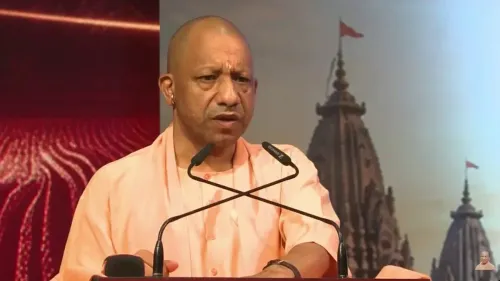
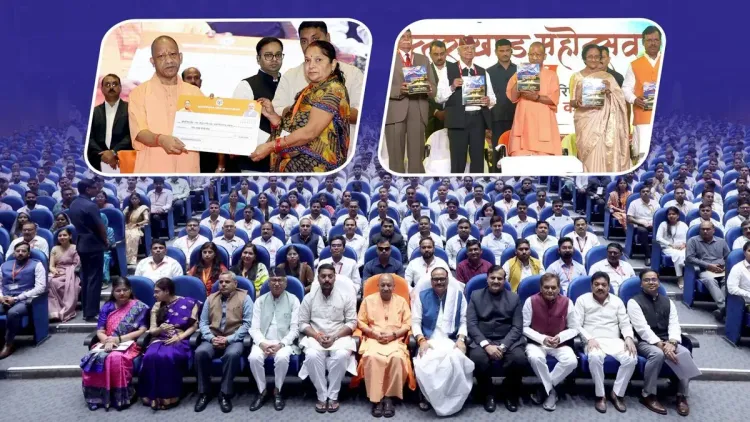
Culture, heritage, and the talent of youth — Uttar Pradesh Chief Minister Yogi Adityanath has staked out these three pillars as the defining face of a transformed state, declaring on Wednesday, 11 November 2026 that they form the new identity of a 'New Uttar Pradesh.'
Posting on X, the Chief Minister wrote: 'संस्कृति, विरासत और युवाओं की प्रतिभा का सम्मान 'नए उत्तर प्रदेश' की नई पहचान...' — 'Honouring culture, heritage, and the talent of youth is the new identity of the New Uttar Pradesh.' The message, brief but deliberate, carries the full weight of a branding exercise that has been years in the making.
The 'New Uttar Pradesh' narrative since 2017
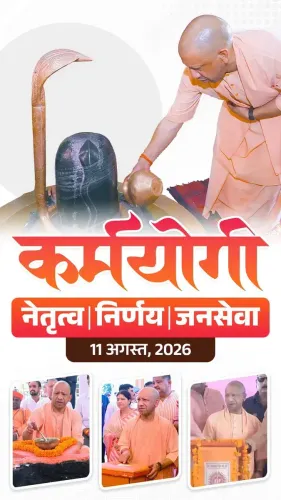
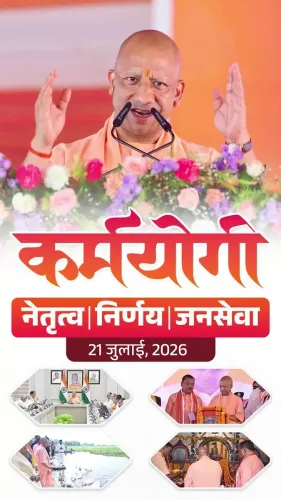
When Yogi Adityanath first took office in 2017, Uttar Pradesh was routinely framed in national discourse by its law-and-order deficits and sluggish growth. The administration moved quickly to counter that image — not only through infrastructure and investment drives, but through a cultural repositioning that placed UP's ancient heritage front and centre. Restoration of religious and cultural sites, state-level arts showcases, and recurring appeals to the state's civilisational legacy became signature features of that effort.
Youth talent as the second engine of state identity
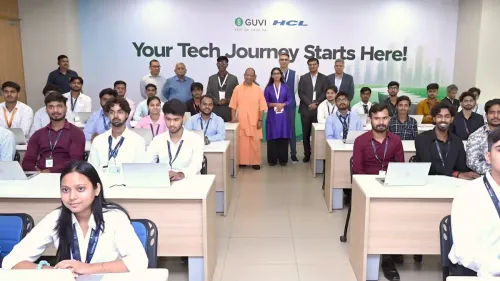
What makes the current framing notable is the pairing. Culture and heritage alone can read as retrospective; coupling them explicitly with youth talent injects forward momentum. The state has increasingly used competitions, skill programmes, and recognition events to surface young achievers — weaving their stories into the same 'New UP' canvas. For the government, this pairing answers a political as well as a developmental logic: Uttar Pradesh has one of India's youngest demographic profiles, and signalling investment in that demographic carries electoral as well as social weight.
Culture as a tool for tourism and social messaging
Beyond symbolism, the culture-heritage push has had measurable downstream effects on Uttar Pradesh's tourism economy. Destinations such as Ayodhya, Varanasi, Mathura, and Prayagraj have seen intensified state investment in infrastructure and presentation, drawing pilgrims and tourists in growing numbers. The Chief Minister's post, accompanied by a video, appears to extend that messaging thread — reinforcing a state brand that the government wants visitors, investors, and voters to associate with pride rather than neglect.
One post, eleven words in Hindi. But the sentence is doing political, cultural, and economic heavy lifting all at once — and that is precisely why the Yogi administration keeps returning to it.
Point of View
Neutralising the charge that cultural politics is merely nostalgic. With assembly cycles always on the horizon in India's most populous state, sustaining this identity frame keeps the BJP's core base energised while attempting a broader appeal to aspirational young voters. The video accompaniment suggests this is not an isolated post but part of a planned content arc around a cultural moment worth watching.
NationPress
11 Nov 2026
Frequently Asked Questions
What did CM Yogi Adityanath say about Uttar Pradesh's new identity?
He declared that honouring culture, heritage, and the talent of youth is the new identity of 'New Uttar Pradesh', posting the message on X on 11 November 2026.
What is the 'New Uttar Pradesh' narrative?
It is a state-branding effort launched by the Yogi Adityanath government since 2017, combining cultural and heritage revival with development priorities to reshape UP's national image.
How has Uttar Pradesh promoted its cultural heritage under Yogi Adityanath?
The government has invested in restoring and developing religious and cultural sites such as Ayodhya, Varanasi, Mathura, and Prayagraj, while running youth talent recognition programmes and arts showcases.
Why does Yogi Adityanath link youth talent to cultural identity?
Uttar Pradesh has one of India's youngest demographic profiles; pairing cultural heritage with youth recognition signals investment in that generation and strengthens both the developmental and political messaging of the state government.
What impact has UP's cultural push had on tourism?
State investment in cultural and pilgrimage destinations has contributed to growing visitor numbers at sites such as Prayagraj and Varanasi, boosting the state's tourism economy.