PM Modi hails NEP 2020 for equipping India's youth for 21st century
Synopsis
Prime Minister Narendra Modi on 1 August 2026 expressed satisfaction that the National Education Policy 2020 is equipping India's youth to meet 21st-century needs and aspirations, posting his remarks in Kannada and sharing a linked resource on the policy's progress.
Key Takeaways
PM Modi posted in Kannada on 1 August 2026 , expressing satisfaction with the National Education Policy 2020 .
NEP 2020 replaced the National Policy on Education 1986 , ending a 34-year governing framework.
The policy introduced a 5+3+3+4 school structure and mandates mother-tongue instruction up to at least Grade 5 .
States have been adopting NEP provisions since 2021 , but implementation pace varies across the country.
The National Curriculum Framework rollout remains a key benchmark for measuring real-world impact.
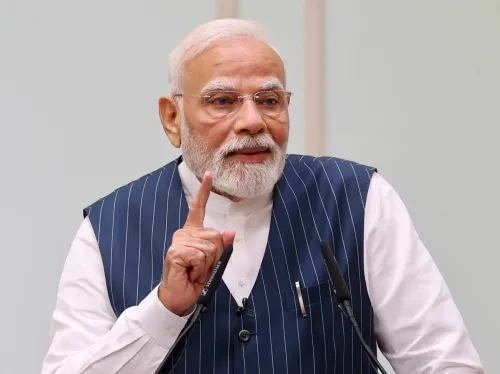
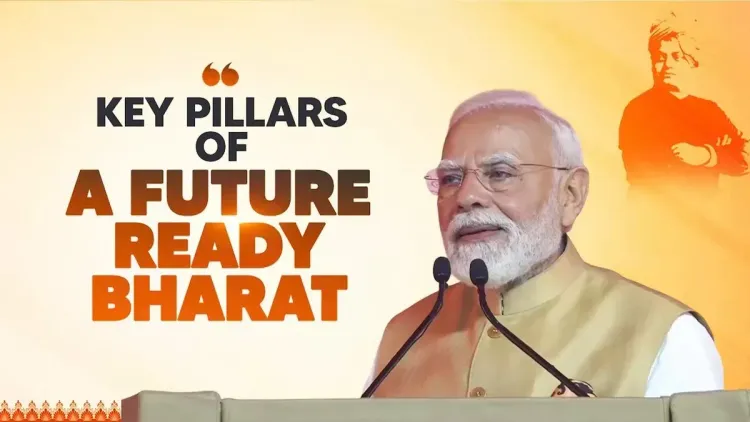
National Education Policy 2020 is doing what its architects promised — reshaping how India prepares its next generation. Prime Minister Narendra Modi on Saturday, 1 August 2026, expressed his satisfaction that the landmark policy is equipping the nation's youth to meet the needs and aspirations of the 21st century.
Posting in Kannada, the Prime Minister wrote: 'ರಾಷ್ಟ್ರೀಯ ಶಿಕ್ಷಣ ನೀತಿಯು 21ನೇ ಶತಮಾನದ ಅಗತ್ಯಗಳು ಮತ್ತು ಆಕಾಂಕ್ಷೆಗಳನ್ನು ಪೂರೈಸಲು ನಮ್ಮ ರಾಷ್ಟ್ರದ ಯುವಕರನ್ನು ಸಜ್ಜುಗೊಳಿಸುತ್ತಿರುವುದು ನನಗೆ ಸಂತಸ ತಂದಿದೆ.' — 'It gives me joy that the National Education Policy is equipping our nation's youth to meet the needs and aspirations of the 21st century.'
A policy that broke with four decades of precedent
The National Education Policy 2020 was no incremental update. Approved by the Union Cabinet in July 2020, it replaced the National Policy on Education 1986 — a framework that had governed Indian classrooms for 34 years, with only a minor revision in 1992. Before that, India's first comprehensive education policy dated to 1968. NEP 2020 arrived with structural ambition: a new 5+3+3+4 school stage architecture, multiple entry and exit points in higher education, and a firm push to use the mother tongue as the medium of instruction up to at least Grade 5. The draft had been circulating since 2019, and its formal unveiling on 29 July 2020 triggered a wide national conversation about language, access, and whether Indian institutions could absorb changes of this scale.From cabinet approval to classroom reality
Implementation has been the harder chapter. States — the constitutional custodians of education — have moved at different speeds. Several have begun adopting NEP provisions in school and higher education curricula since 2021, but the rollout of the National Curriculum Framework, the policy's operational backbone, remains a live process. The involvement of students, teachers, and state governments as co-implementers means the policy's impact is uneven but widening. Modi's post in Kannada — the language of Karnataka — signals a deliberate outreach to southern audiences, where debates around language-medium instruction and federalism in education have historically been sharpest. Whether the curriculum frameworks land in every classroom or remain aspirational on paper is the question that will define NEP 2020's legacy. The Prime Minister's message is clear: the direction is set. The distance still to travel is the story.Point of View
Particularly Karnataka, have been among the most vocal on language-medium and federal autonomy concerns around NEP 2020, and addressing them in their own language is a deliberate signal. The post fits a consistent pattern of the central government using social media to reinforce NEP 2020's narrative as a forward-looking, youth-centric reform rather than a top-down imposition. With the National Curriculum Framework rollout still in progress, the messaging also serves to maintain political ownership of the policy ahead of key implementation milestones. The choice of Kannada over Hindi or English suggests the BJP's awareness that education remains a sensitive federal flashpoint.
NationPress
1 Aug 2026
Frequently Asked Questions
What is the National Education Policy 2020?
The National Education Policy 2020 is India's current governing framework for education, approved by the Union Cabinet in July 2020. It replaced the 1986 policy and introduced changes including a new 5+3+3+4 school structure, multiple entry-exit options in higher education, and mother-tongue instruction up to at least Grade 5.
What did PM Modi say about NEP 2020 on 1 August 2026?
PM Modi posted in Kannada expressing that it gives him joy that the National Education Policy is equipping India's youth to meet the needs and aspirations of the 21st century.
When was NEP 2020 formally unveiled?
NEP 2020 was formally unveiled on 29 July 2020, following a draft released in 2019. It replaced the National Policy on Education 1986.
Which states have adopted NEP 2020 provisions?
Several states have begun adopting NEP 2020 provisions in school and higher education curricula since 2021, though implementation pace varies as education is a concurrent subject under India's constitution.
What is the National Curriculum Framework and why does it matter?
The National Curriculum Framework is the operational document that translates NEP 2020's broad goals into classroom practice. Its rollout is a key benchmark for measuring whether the policy's ambitions are reaching students on the ground.