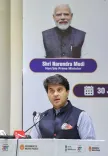
PM Modi hails Parliament passing bill to strengthen exams
Synopsis
Parliament passed a bill on July 30, 2026 to strengthen India's examination system, with PM Modi hailing the move. It builds on the 2024 anti-paper-leak law and the NEP 2020 vision of holistic assessment, with implementation by NTA and CBSE now in focus.
Key Takeaways
Parliament passed a new bill on July 30, 2026 aimed at making India's public examination system more robust.
Prime Minister Narendra Modi publicly welcomed the legislation on the day of passage.
The bill follows the Public Examinations (Prevention of Unfair Means) Act, 2024 , which introduced penalties for paper leaks and exam malpractice.
The reform is framed within the National Education Policy 2020 goal of reducing coaching dependence and rote learning.
Implementation rules by bodies such as NTA and CBSE will be the next critical step to watch.
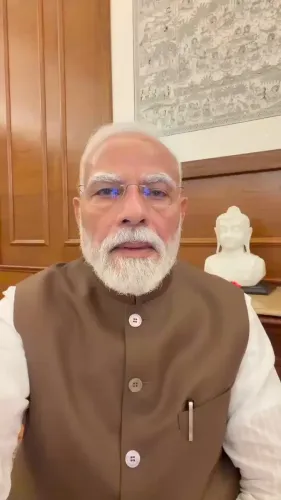
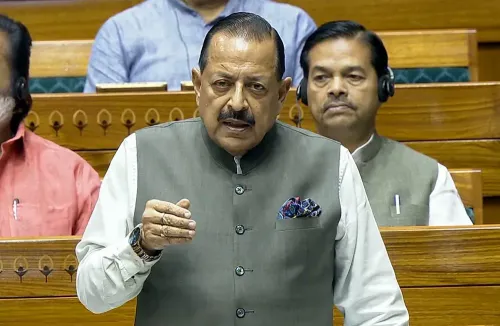
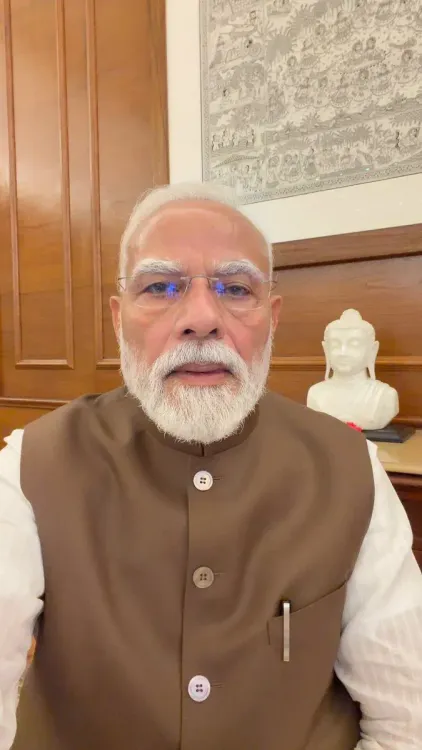
A new law to make India's examination system more robust cleared Parliament on Thursday, July 30, 2026 — and Prime Minister Narendra Modi wasted no time marking the moment, calling it a step toward a stronger, fairer testing framework for millions of students across the country.
A legislature responds to years of exam-system pressure
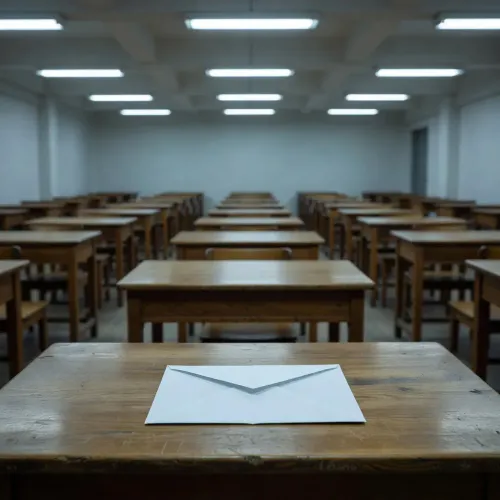
The passage comes against a backdrop of persistent public anxiety over examination integrity in India. Recurring paper-leak scandals and an entrenched coaching culture have long undermined confidence in public exams, from board-level tests to national entrance examinations. Parliament's move signals a legislative response to those pressures — building on the Public Examinations (Prevention of Unfair Means) Act, 2024, which first introduced statutory penalties for malpractices including paper leaks.
The new bill, as described by the Prime Minister, is positioned as the next layer of that architecture — tightening the system further and signalling that examination reform remains an active legislative priority, not a promise deferred.
NEP 2020's long shadow over assessment reform
The broader policy context is the National Education Policy 2020, which explicitly called for transforming board examinations to reduce rote learning and coaching dependence, and to shift toward conceptual, holistic assessment. Each legislative step on examination integrity is framed by the current administration as a concrete move toward that vision. The question now is implementation: gazette notification of the new law and the rules that bodies such as NTA and CBSE will frame under it will determine how much real change reaches the student sitting the exam.
For the crores of students who navigate India's high-stakes examination calendar every year, the law's worth will ultimately be measured not in Parliament's vote count, but in whether the next cycle runs clean.
Point of View
Layering new statute onto the 2024 anti-paper-leak law. Politically, it lets the BJP point to concrete legislative action on an issue that has repeatedly embarrassed the administration — NTA controversies in particular drew sharp opposition fire. The real test will be in the rules framed for implementation: if enforcement mechanisms remain weak, the law risks becoming another well-intentioned statute that fails at the last mile. Analysts watching the NEP 2020 rollout will treat gazette notification and NTA's compliance framework as the true signal of intent.
NationPress
31 Jul 2026
Frequently Asked Questions
What bill did Parliament pass on July 30 2026 for examinations?
Parliament passed a bill on July 30, 2026 designed to make India's public examination system more robust, building on earlier legislation that penalised paper leaks and malpractice. The precise title and provisions are subject to gazette notification.
What is the Public Examinations Prevention of Unfair Means Act 2024?
The Public Examinations (Prevention of Unfair Means) Act, 2024 was India's first dedicated statute introducing criminal penalties for paper leaks, impersonation, and other malpractices in public examinations. The 2026 bill is seen as a further strengthening of that framework.
How does the new exam bill relate to NEP 2020?
The National Education Policy 2020 called for overhauling India's board and entrance examinations to reduce rote learning and coaching dependence. The current administration has consistently framed examination integrity legislation as a step toward implementing that vision.
Which exam bodies will be affected by the new law?
Bodies such as the National Testing Agency (NTA) and the Central Board of Secondary Education (CBSE) are expected to frame implementation rules under the new legislation, making their compliance frameworks a key thing to watch.
Why has India been reforming its examination system?
Recurring paper-leak scandals, an entrenched private coaching industry, and concerns about fairness in high-stakes national entrance tests have driven sustained public and political pressure for legislative reform of India's examination ecosystem.