PM Modi Hails Women's Rise in Science, Space and Drones
Synopsis
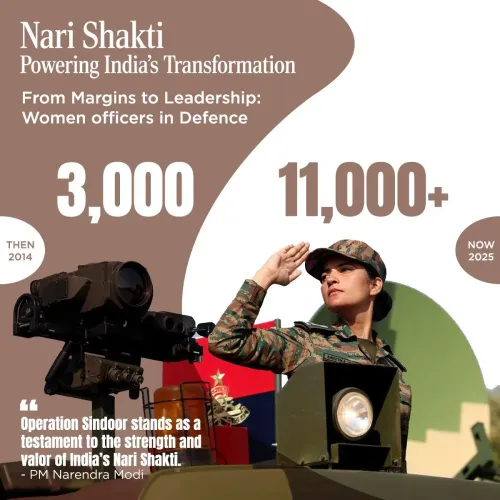
Prime Minister Narendra Modi on June 12, 2026, applauded Indian women's expanding role in science, space, and drone technology, linking their growing participation in emerging sectors to the nation's broader development transformation under the Nari Shakti banner.
Key Takeaways
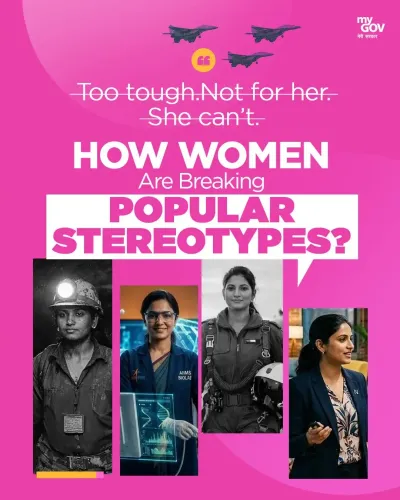
Prime Minister Narendra Modi praised India's Nari Shakti for making an impact in science, space, and innovation on June 12, 2026 .
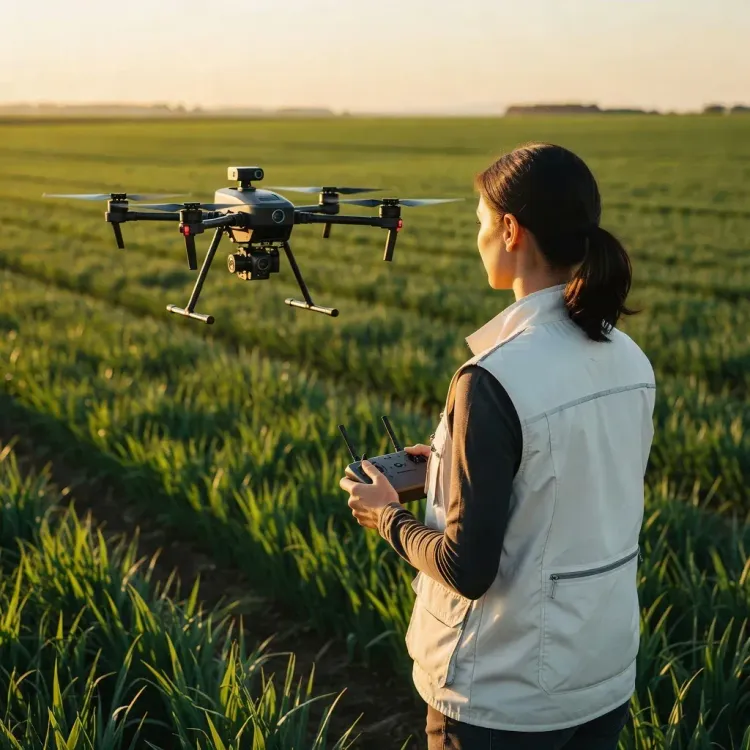
He specifically highlighted drone technology as a new avenue opening opportunities for women and transforming the development landscape.
The Beti Bachao Beti Padhao scheme, launched in January 2015 , underpins the government's long-term push for girls' education and professional empowerment.
The Drone Rules 2021 liberalised unmanned aerial vehicle operations and created formal pathways for women drone pilots in agriculture, logistics, and surveying.
ISRO 's Chandrayaan-2 mission highlighted the growing presence of women scientists in India's space programme.
The Department of Science and Technology runs programmes including Vigyan Jyoti and KIRAN to increase female participation in STEM research.
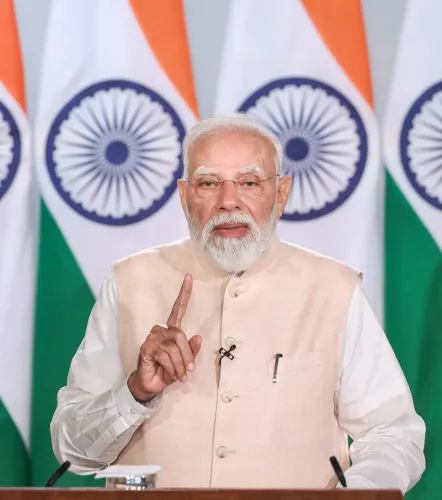
Prime Minister Narendra Modi on Friday, June 12, 2026, praised the growing role of Indian women in science, space, and innovation, singling out drone technology as a transformative new frontier for female participation in the country's development story.
In his post on X, the Prime Minister said he was 'particularly happy to see India's Nari Shakti make a mark in sectors like science, space and innovation,' adding that women's entry into drone technology was 'opening new avenues of opportunity and transforming development landscape across the nation.'
Context
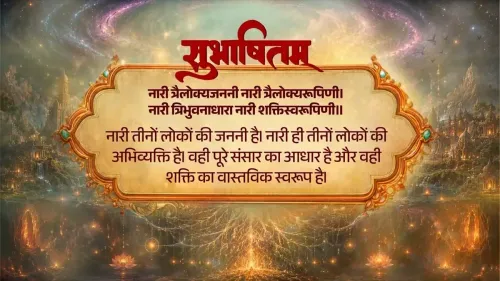
The phrase Nari Shakti — literally 'women's power' — has been a recurring motif in the current government's public communication on gender empowerment. Modi's remarks come as women scientists and technologists have gained increasing visibility in flagship national programmes, from ISRO's deep-space missions to grassroots agriculture-technology initiatives.
Women held key operational and scientific roles in ISRO's Chandrayaan-2 mission launched in July 2019, drawing national attention to female talent in space research. That visibility has since been invoked repeatedly in policy advocacy for broadening girls' access to STEM education and careers.
Policy Backdrop
The government's push for female participation in emerging technology sectors rests on several interlocking policy pillars. The Beti Bachao Beti Padhao scheme, launched in January 2015, was designed to arrest a declining child sex ratio and ensure girls remain in education long enough to access professional pathways.
The Drone Rules 2021, notified by the Ministry of Civil Aviation in August 2021, liberalised the regulatory environment for unmanned aerial vehicles, explicitly creating space for new categories of operators — including women pilots in agriculture, logistics, and infrastructure surveying. The Department of Science and Technology has run dedicated programmes such as Vigyan Jyoti and KIRAN to channel girls into research careers from the school stage onward.
Together these measures form part of the broader Atmanirbhar Bharat framework, which positions inclusive innovation — drawing in women, rural communities, and first-generation professionals — as central to self-reliant economic growth.
Stakeholders and Impact
The constituencies most directly addressed by the Prime Minister's remarks include women in STEM fields, female drone operators, and rural women entrepreneurs who have taken up drone-based services in agriculture and land surveying. State governments have been encouraged to roll out women drone-pilot training programmes under the Drone Rules framework, creating a pipeline from certification to commercial deployment.
Advocates for gender equity in technology have noted that public recognition from the highest office carries symbolic weight that can influence institutional hiring, scholarship allocation, and parental attitudes toward girls' education in science-oriented streams. The development-delivery dimension is equally significant: drones operated by women have been deployed in disaster management, crop-health monitoring, and infrastructure inspection in remote areas.
What's Next
Attention will now turn to whether the Prime Minister's statement is followed by concrete allocations — expanded seats in drone-pilot certification programmes for women, new tranches of funding under Vigyan Jyoti, or dedicated female participation targets in upcoming ISRO missions. State-level implementation of women-centric drone training under the Drone Rules 2021 framework remains a key metric to watch. The government's ability to convert high-profile rhetorical endorsement into measurable workforce outcomes will determine whether Nari Shakti in science and technology moves from aspiration to documented achievement.
Point of View
Tying women's empowerment to the Atmanirbhar Bharat narrative of self-reliant, inclusive growth. By spotlighting drone technology specifically, the government signals an intent to position women not merely as beneficiaries of welfare schemes but as active agents in frontier industries. The move also serves to pre-empt opposition criticism that the administration's gender agenda remains confined to symbolic gestures, by anchoring it to a tangible, growing sector with measurable employment outcomes. Whether this rhetorical investment translates into budgetary commitments and institutional targets will be the true test of the policy arc.
NationPress
26 Oct 2026
Frequently Asked Questions
What did PM Modi say about women in science and technology?
Prime Minister Narendra Modi said he was 'particularly happy' to see India's Nari Shakti making a mark in science, space, and innovation, and highlighted drone technology as a new area opening opportunities for women.
What is Nari Shakti and why does PM Modi use the term?
Nari Shakti, meaning 'women's power' in Hindi, is a phrase the government uses to describe and celebrate women's contribution to India's social and economic development across sectors from defence to science.
How are women involved in India's drone sector?
Under the Drone Rules 2021, women have been encouraged to train as drone pilots for use in agriculture, logistics, land surveying, and disaster management, with state governments running certification programmes.
What government schemes support women in STEM in India?
Key schemes include Beti Bachao Beti Padhao launched in 2015, and the Department of Science and Technology's Vigyan Jyoti and KIRAN programmes, all designed to increase girls' access to science education and research careers.
What is ISRO's record on women scientists?
ISRO has featured a growing number of women scientists in high-profile missions, including Chandrayaan-2 launched in July 2019, where women held key scientific and operational roles.