How Did Rani Velu Nachiyar Inspire Generations? PM Modi's Tribute on Her Birth Anniversary
Synopsis
On her birth anniversary, PM Modi commemorates Rani Velu Nachiyar, a pioneering force in India's fight for independence. Celebrated for her valor and visionary leadership, her legacy continues to inspire future generations. Discover the incredible life of this brave queen who defied colonial powers and exemplified the spirit of resistance.
Key Takeaways
Rani Velu Nachiyar was a pioneering queen who led a resistance against British colonial rule.
She is recognized as the first Indian ruler to wage organized warfare against the British East India Company.
Her strategic alliances and military innovations paved the way for future generations of leaders.
The life of Rani Velu Nachiyar inspires contemporary discussions on women's empowerment.
Her legacy is a symbol of courage and resistance in India’s history.
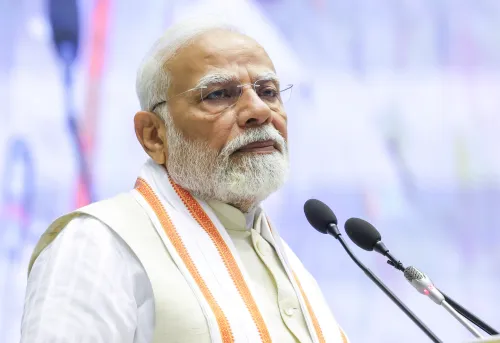
New Delhi, Jan 3 (NationPress) Prime Minister Narendra Modi on Saturday honored Rani Velu Nachiyar on her birth anniversary, recalling her as one of India’s most courageous and visionary monarchs, whose bravery, sacrifice, and leadership continue to motivate future generations.
In a post on the social media platform X, the Prime Minister remarked, "Honoring Rani Velu Nachiyar on her birth anniversary. She is celebrated as one of India’s most fearless warriors who represented valor and strategic brilliance."
He further stated, "She stood against colonial subjugation and championed the Indian right to self-rule. Her dedication to effective governance and cultural pride is commendable. Her sacrifice and visionary leadership will continue to inspire future generations."
Union Minister Dharmendra Pradhan also expressed his tribute on social media 'X', saying, "A salute to the courageous Rani Velu Nachiyar on her Jayanti. A trailblazer, scholar-warrior, and a symbol of female leadership, she defied British rule and fought relentlessly for independence. Her military ingenuity, bravery, and unwavering patriotism will serve as a lasting inspiration."
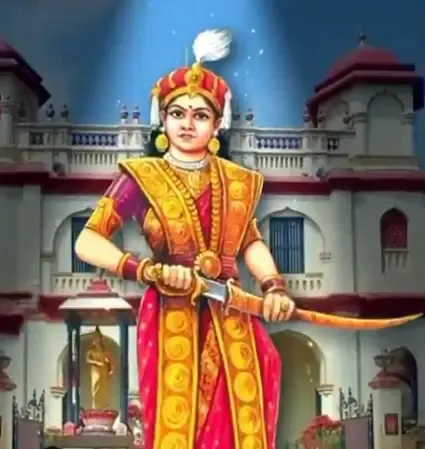
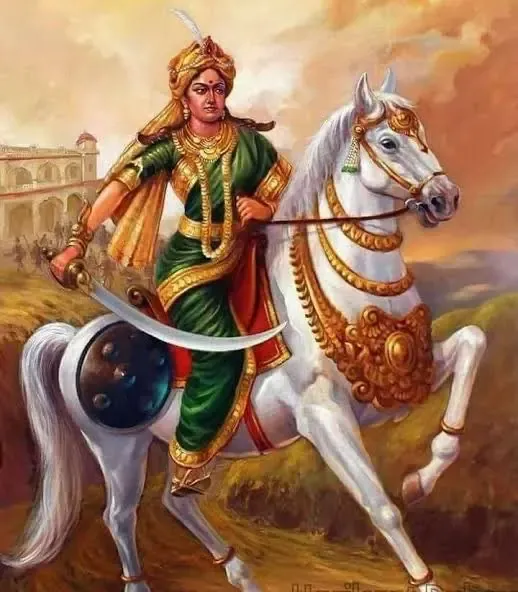
Rani Velu Nachiyar (1730–1796) was a formidable 18th-century queen of Sivaganga in present-day Tamil Nadu, recognized as the first Indian ruler to lead an organized armed resistance against the British East India Company. Her unparalleled courage and defiance earned her the esteemed title of 'Veeramangai (Brave Woman)'.
Born on January 3, 1730, in Ramanathapuram, she was the sole heir of Raja Chellamuthu Vijayaragunatha Sethupathy of the Ramnad kingdom and his spouse, Rani Sakandhimuthal. Due to the absence of a male successor, Velu Nachiyar was raised like a prince and underwent rigorous training in warfare and governance. She mastered the skills of weaponry, horse riding, archery, and traditional martial arts like Silambam and Valari.
In addition to her martial prowess, Velu Nachiyar was an accomplished scholar. She was fluent in various languages including Tamil, English, French, and Urdu, which later facilitated her in forging diplomatic ties and deciphering colonial strategies.
At the age of 16, she wed Muthuvaduganathaperiya Udaiyathevar, the ruler of Sivaganga. The couple had a daughter named Vellachi. Muthuvaduganathaperiya Udaiyathevar ascended as the King of Sivaganga in 1750 and governed the region for over twenty years. Sivaganga emerged as the first independent state separated from the Ramnad kingdom, and his reign was characterized by stability and prosperity.
In 1772, Sivaganga faced an invasion by the British East India Company in collaboration with the son of the Nawab of Arcot. During the conflict, known as the Kalaiyar Koil war, King Muthuvaduganathaperiya Udaiyathevar was slain by British forces commanded by Colonel Smith. The invasion was marked by severe brutality, impacting women and children as well.
After her husband's demise, Velu Nachiyar fled with her daughter to Virupachi near Dindigul, where she lived for nearly eight years under the protection of Palayakaarar Kopaala Naayakkar. During this period of exile, she meticulously rebuilt her strength, organized her forces, and strategized her retaliation against the British.
Velu Nachiyar formed alliances with several influential leaders of her time, including Hyder Ali of Mysore and Gopala Nayaker. With their backing, she assembled a formidable army that included a dedicated women’s battalion, an unprecedented move in Indian history. One of the most notable figures in her campaign was her adopted daughter, Udaiyaal, who heroically sacrificed her life by detonating a British ammunition depot. The queen later honored her by naming her women’s army “Udaiyaal.”
In 1780, Velu Nachiyar mounted a decisive assault on the British and successfully reclaimed Sivaganga, becoming the first Indian queen to vanquish the British East India Company in battle—nearly seventy years before the First War of Independence in 1857. Historians also recognize her as one of the earliest figures to employ suicide attacks as a military tactic.
After regaining her kingdom, Velu Nachiyar concentrated on governance and administration. She ruled Sivaganga for several years before entrusting power to her daughter Vellachi while remaining a guiding mentor.
Rani Velu Nachiyar passed away on December 25, 1796, at the age of 66 in Sivaganga. Historical accounts suggest she struggled with heart-related issues in her later years and received treatment in France. Her last rites were conducted by her son-in-law.
The life of Rani Velu Nachiyar stands as a potent symbol of defiance, courage, and leadership. Her legacy remains a testament to India’s early fight against colonial domination and the indomitable spirit of its female warriors.
Point of View
It is imperative to acknowledge the indelible mark left by Rani Velu Nachiyar in India's history. Her life and legacy symbolize not only the struggle against colonial oppression but also the empowerment of women in leadership roles. In honoring her, we recognize the broader narrative of resilience and courage that continues to inspire today's society.
NationPress
23 Sept 2026
Frequently Asked Questions
Who was Rani Velu Nachiyar?
Rani Velu Nachiyar was an 18th-century queen of Sivaganga, Tamil Nadu, known as the first Indian ruler to wage an organized armed struggle against the British East India Company.
What contributions did Rani Velu Nachiyar make?
She is celebrated for her military innovations, strategic alliances, and for being a symbol of women's empowerment in India's fight for independence.
When was Rani Velu Nachiyar born?
She was born on January 3, 1730, in Ramanathapuram, Tamil Nadu.
How did she challenge British rule?
Rani Velu Nachiyar led a successful revolt against the British and reclaimed her kingdom, showcasing her tactical brilliance and leadership.