PM Modi invokes Vedic verse in nature tribute
Synopsis
Prime Minister Narendra Modi on 30 July 2026 shared a Hindi message and a Rigvedic Sanskrit verse calling for reverence toward nature, the environment, and all creation as the foundation for building a healthy and prosperous India.
Key Takeaways
PM Narendra Modi posted on 30 July 2026 invoking nature as the core of human existence.
The post blends Hindi prose with a Rigvedic shloka praying for peace from sky, earth, atmosphere, forests, and the cosmos.
Modi called on citizens to become partners in building a 'healthy, prosperous, and empowered nation' through gratitude and service to nature.
No new policy or scheme was announced; the post continues a pattern of culturally-framed environmental messaging by the Prime Minister.
The post was accompanied by a video , reinforcing the audio-visual dimension of the message.
Reverence for the natural world, Prime Minister Narendra Modi wrote on Thursday, 30 July 2026, is not a policy position — it is the bedrock of human existence itself. In a post blending Hindi prose with a Sanskrit shloka, he called on every Indian to join in building a healthy, prosperous, and empowered nation through gratitude and service to nature.
The Hindi portion of the post reads: 'Prakriti, paryavaran aur samast srishti ka samman hamare astitva ke mool mein hai' — 'Respect for nature, the environment, and all of creation lies at the very core of our existence.' Modi then invited citizens to become partners in national progress, guided by full gratitude and a spirit of service toward the natural world.
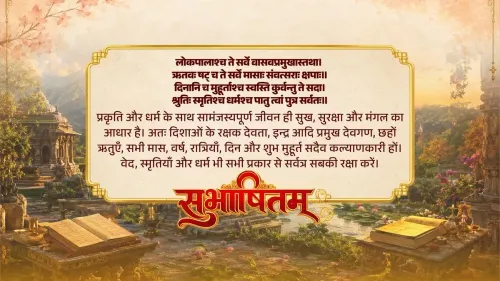
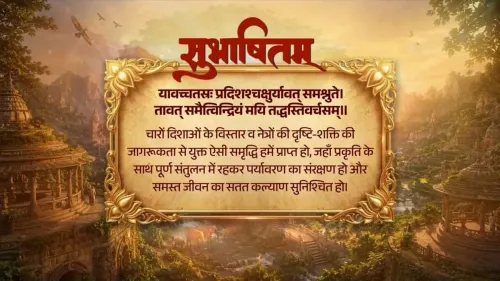
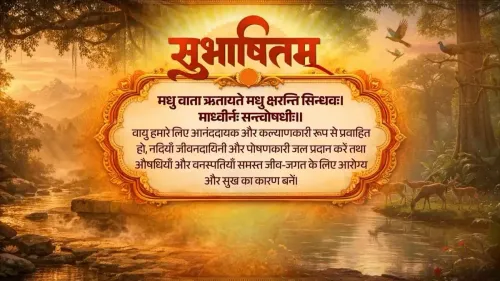
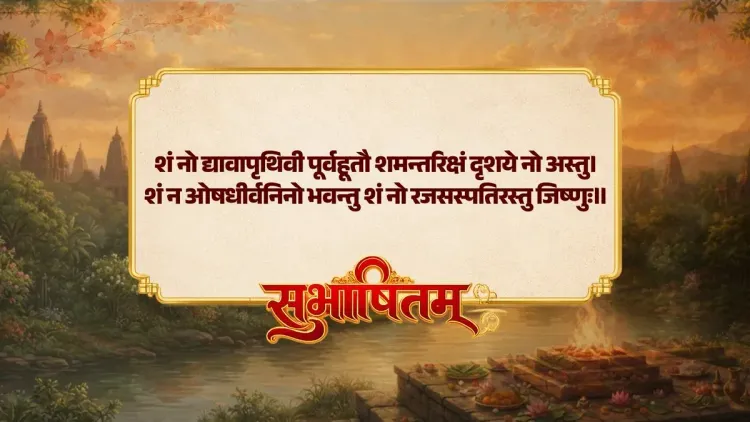
He closed with a verse from the Rigveda: 'Sham no dyavaparthivi poorvahutau, shamantarikasham drishaye no astu. Sham na oshadhirvanino bhavantu, sham no rajasaspatirastu jishnuh.' The shloka is a prayer for peace and benevolence from the sky and earth, the atmosphere, the plants and forests, and the lord of the cosmos — a classical invocation of harmony between humanity and the natural order.
A cultural thread running through Modi's environmental messaging
Modi has consistently woven Vedic and Sanskrit references into his environmental communication, framing ecological responsibility not as a modern regulatory burden but as something India has carried in its civilisational DNA for millennia. This approach distinguishes his messaging from technocratic climate discourse, rooting sustainability in cultural identity.
The pattern is deliberate: by anchoring environmental calls-to-action in scripture, the Prime Minister addresses Indian citizens across educational and regional divides — the shloka resonates with those steeped in tradition, while the Hindi prose speaks plainly to everyone else. The video accompanying the post reinforces this dual register.
No new scheme, but a signal worth watching
The post carries no announcement of a new policy or programme. Research does not verify any specific government event tied to this date that prompted the message. What it does mark is a recurring mode of leadership communication — using cultural touchstones to keep environmental consciousness alive in public discourse between formal policy moments.
Whether a follow-up initiative, a ministerial communication, or a government campaign emerges in the days ahead will determine whether this post was a standalone reflection or the opening note of a broader push.
For now, a Rigvedic prayer for peace between people and the planet — posted at dawn on a Thursday — is the Prime Minister's message to the nation: the earth does not belong to us. We belong to it.
Point of View
Making it harder to dismiss as elite or Western-imposed. The post fits a broader arc in which the BJP government seeks to position India as a culture that has always lived sustainably, a narrative with both domestic resonance and soft-power utility on the global climate stage. Without a concrete policy announcement, however, the post's impact remains symbolic — the test is whether cultural messaging translates into measurable environmental outcomes. Observers will watch for any follow-up government action that gives this shloka institutional weight.
NationPress
30 Jul 2026
Frequently Asked Questions
What did PM Modi post about the environment on 30 July 2026?
PM Modi shared a message in Hindi and a Sanskrit verse from the Rigveda on 30 July 2026, calling on Indians to respect nature and all of creation as the foundation for building a healthy, prosperous, and empowered nation.
Which Sanskrit shloka did Modi quote in his environment post?
Modi quoted a Rigvedic shloka — 'Sham no dyavaparthivi poorvahutau' — a prayer seeking peace and benevolence from the sky, earth, atmosphere, forests, and the lord of the cosmos.
Did Modi announce any new environment policy or scheme in this post?
No. The post contained no announcement of a new policy, scheme, or government programme. It was a reflective message connecting cultural tradition with environmental responsibility.
Why does Modi use Sanskrit shlokas in his environmental messages?
Modi regularly uses Vedic and Sanskrit references to frame environmental responsibility as part of India's civilisational heritage, making the message resonate across regional and educational divides and connecting ecology to cultural identity.
What language was Modi's 30 July 2026 environment post written in?
The post was written in Hindi and Sanskrit. The Hindi section called for gratitude and service toward nature, while the Sanskrit verse was a Rigvedic prayer for harmony between humanity and the natural world.