PM Modi marks World Elephant Day, highlights India's conservation record
Synopsis
Prime Minister Narendra Modi marked World Elephant Day on 12 August 2026 by highlighting India's 33 Elephant Reserves and its position as home to a majority of the world's wild Asian elephants, rooted in three decades of Project Elephant conservation policy.
Key Takeaways
Prime Minister Narendra Modi posted on World Elephant Day, 12 August 2026 , celebrating India's elephant conservation record.
India hosts a large majority of the world's wild Asian elephant population, according to the Prime Minister's post.
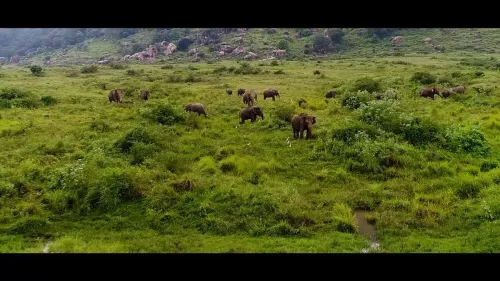
The country maintains a network of 33 Elephant Reserves providing protected habitats across multiple states.
Project Elephant , launched in 1992 , is the central government's flagship scheme underpinning these conservation efforts.
State forest departments and local communities are key stakeholders in managing elephant habitats and human-wildlife conflict.
The next official elephant population census will be a key indicator of whether India's conservation gains are holding.
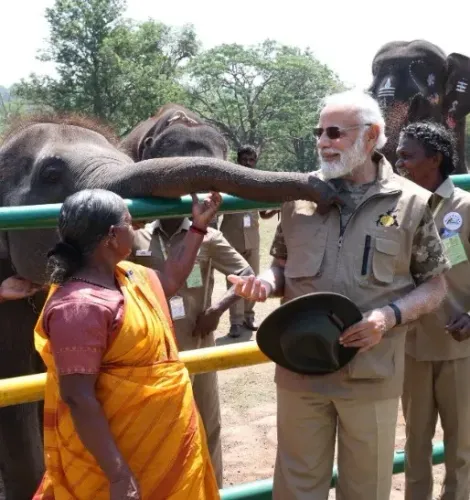
On World Elephant Day, 12 August 2026, Prime Minister Narendra Modi turned the global spotlight on India's role as the world's foremost sanctuary for wild Asian elephants — a responsibility the country has carried for decades and continues to deepen.
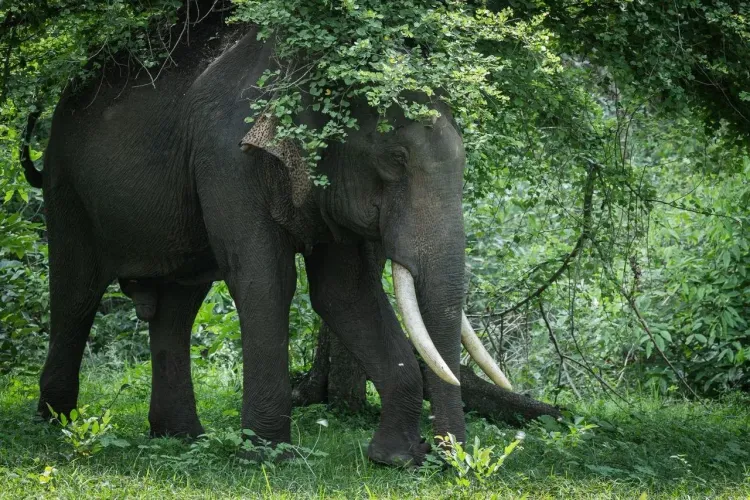
In his post, the Prime Minister noted that India is home to a significant majority of the world's wild Asian elephant population and pointed to the country's network of 33 Elephant Reserves as the structural backbone of that conservation effort. 'It is gladdening that India is home to over 60% of the world's wild Asian elephants,' he wrote, adding that the reserves 'provide habitats' for the species across multiple states.
Project Elephant and three decades of protected habitat
The foundation beneath those reserves was laid in 1992, when the central government launched Project Elephant — a centrally sponsored scheme designed to protect elephant habitats, manage human-elephant conflict, and support elephant welfare. The scheme predates most of India's contemporary wildlife commitments and has served as the legislative and financial engine behind successive reserve notifications.
Since then, India has progressively expanded its protected area network for large mammals, fulfilling domestic wildlife legislation as well as obligations under CITES, the international convention regulating trade in endangered species. Each new reserve notification represents both an ecological decision and a diplomatic signal about India's environmental seriousness on the world stage.
State forest departments and communities at the front line
The reserves do not run themselves. State forest departments and local communities living along elephant corridors bear the daily weight of coexistence — managing crop raids, navigating movement patterns, and maintaining the buffer zones that keep conflict from escalating. Their role is as central to the programme's success as any policy document signed in New Delhi.
The next official elephant population census and any fresh notifications for expanded reserves from the environment ministry will be the clearest measure of whether the numbers the Prime Minister cited continue to hold — and grow.
On a day the world pauses to reckon with the elephant's precarious future, India's record offers one of the few genuinely hopeful data points in Asian wildlife conservation.
Point of View
Lending it credibility. For the BJP government, wildlife conservation offers rare cross-partisan appeal, allowing the ruling party to project an environmental credential without the economic trade-offs that harder climate commitments entail. The real test, as always, lies in the next census numbers and whether the reserve network expands to match corridor pressures.
NationPress
12 Aug 2026
Frequently Asked Questions
What is World Elephant Day?
World Elephant Day is an annual global observance held on 12 August each year to raise awareness about the conservation of both Asian and African elephants and the threats they face.
How many Elephant Reserves does India have?
India has 33 Elephant Reserves , which are designated protected habitats spread across multiple states to safeguard wild Asian elephant populations and their movement corridors.
What is Project Elephant?
Project Elephant is a centrally sponsored scheme launched by the Indian government in 1992 to protect elephant habitats, manage human-elephant conflict, and support the welfare of captive elephants.
Why is India important for Asian elephant conservation?
India holds the largest share of the world's wild Asian elephant population, making its forest policies, reserve network, and corridor management critical to the survival of the species globally.
When is the next elephant population census in India?
The government conducts periodic elephant population estimations; the results of the next official census will be a key indicator of whether India's conservation efforts continue to sustain or grow the population.