PM Modi Meets CMA CGM Chief on India Maritime Growth
Synopsis
Prime Minister Narendra Modi held talks with CMA CGM chairman Rodolphe Saadé on 18 June 2026, covering shipbuilding, container manufacturing and digital logistics as India seeks to expand its share of global maritime trade under the Maritime India Vision 2030 framework.
Key Takeaways
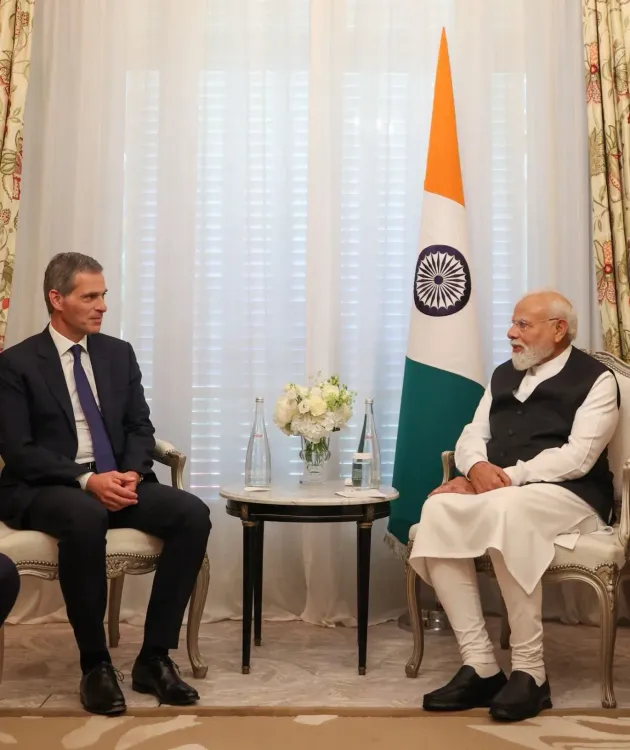
Prime Minister Narendra Modi met Rodolphe Saadé , Chairman and CEO of CMA CGM , on 18 June 2026 .
Talks covered maritime connectivity, global shipping trends, shipbuilding, container manufacturing and digital infrastructure.
CMA CGM is one of the world's largest container shipping groups, based in France .
India's maritime policy is anchored by the Sagarmala Project (2015) and Maritime India Vision 2030 (2021).
No formal agreements or MoUs from the meeting have been announced.
Follow-up outcomes are expected to be watched at upcoming maritime summits and budget sessions.
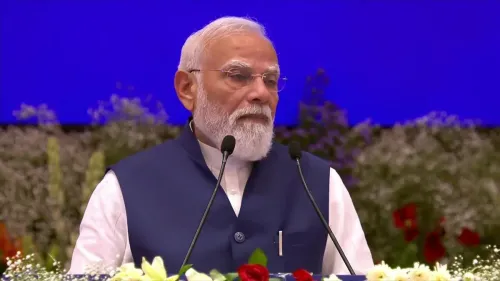
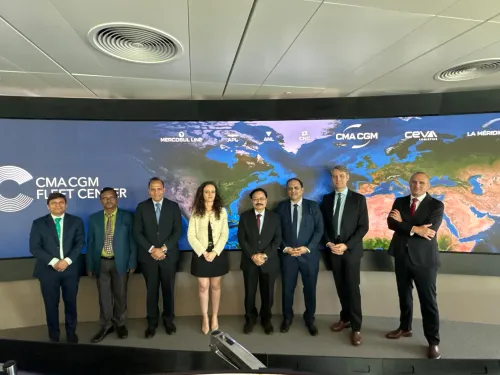
Prime Minister Narendra Modi met with Rodolphe Saadé, Chairman and CEO of CMA CGM, on Thursday, 18 June 2026, for discussions on maritime connectivity, global shipping trends, and investment opportunities in India's expanding maritime sector.
Context
Prime Minister Modi described the meeting as 'fruitful', with talks covering shipbuilding, container manufacturing, and digital infrastructure. CMA CGM is one of the world's largest container shipping groups, headquartered in France, with a vast global operational footprint that makes it a significant potential partner for India's port and logistics ambitions.
The discussion comes as India intensifies efforts to position itself as a major node in global supply chains, seeking foreign expertise and capital to bridge gaps in domestic shipbuilding capacity and container availability.
Policy Backdrop
India's maritime push has been anchored by two flagship frameworks. The Sagarmala Project, launched in 2015, set out to modernise ports and drive port-led economic development across the coastline. Building on that, Maritime India Vision 2030, released in 2021, laid out specific targets for shipbuilding capacity, port infrastructure upgrades, and growth in maritime trade volumes.
A persistent challenge has been India's limited share of global shipbuilding output and its dependence on imported containers — factors that raise logistics costs for exporters. Engaging a global shipping major like CMA CGM aligns with the government's stated goal of attracting technology partnerships and foreign investment to address these structural gaps.
Stakeholders and Impact
The sectors most directly affected by any follow-through from this meeting would be Indian shipbuilders, domestic port operators, and logistics-dependent exporters. Increased container manufacturing capacity within India could reduce turnaround times and lower freight costs, benefiting export-oriented industries from textiles to pharmaceuticals.
CMA CGM's interest in India is consistent with broader industry trends: major shipping lines have been diversifying supply-chain investments into fast-growing emerging markets. India's rapidly expanding consumer base and its push to grow merchandise exports make it a strategically attractive destination for such partnerships.
What's Next
No formal agreements or memoranda of understanding from this meeting have been announced. Observers will watch for concrete follow-up — including potential policy incentives for shipbuilding, green shipping commitments, or investment pledges — at forthcoming maritime summits or in the next Union Budget session.
The digital dimension of the talks is also notable: modernising port logistics through technology is a key pillar of Maritime India Vision 2030, and any collaboration with a group of CMA CGM's scale could accelerate India's integration into digitised global trade corridors.
Point of View
The government is signalling ambition beyond incremental port upgrades, pointing toward deeper industrial and digital integration. The inclusion of 'digital' in the agenda is telling: it reflects a broader pattern of bundling physical infrastructure pitches with technology-layer partnerships. Whether this translates into binding commitments will be the real test, and the timeline to any MoU will reveal how serious both sides are about moving beyond dialogue.
NationPress
19 Sept 2026
Frequently Asked Questions
Who is Rodolphe Saadé and why did PM Modi meet him?
Rodolphe Saadé is the Chairman and CEO of CMA CGM, one of the world's largest container shipping companies. PM Modi met him on 18 June 2026 to explore collaboration in shipbuilding, container manufacturing and digital maritime infrastructure.
What is CMA CGM's connection to India?
CMA CGM is a major French shipping group with global container operations. India has been engaging large international shipping firms to attract investment and technology partnerships that can help grow domestic shipbuilding capacity and reduce logistics costs.
What is Maritime India Vision 2030?
Maritime India Vision 2030 is a policy framework released in 2021 that sets targets for expanding India's shipbuilding capacity, upgrading port infrastructure, and increasing the country's share of global maritime trade.
What is the Sagarmala Project?
The Sagarmala Project, launched in 2015, is India's flagship programme to modernise ports and promote port-led economic development along the country's coastline.
Were any agreements signed between India and CMA CGM after this meeting?
No formal agreements or memoranda of understanding have been announced following the 18 June 2026 meeting. Concrete outcomes, if any, are expected to emerge at forthcoming maritime summits or in upcoming budget announcements.