PM Modi Meets Skyroot Aerospace Founders, Discusses Vikram-1
Synopsis
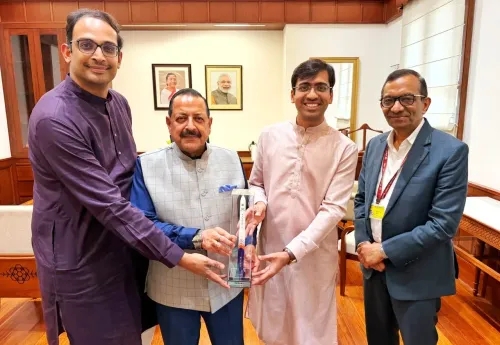
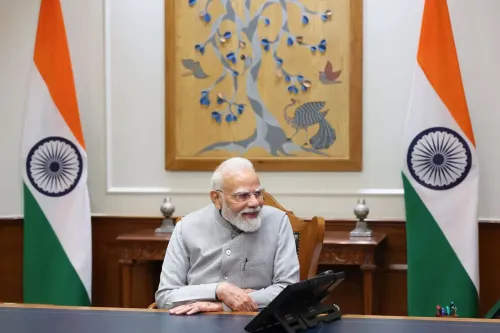
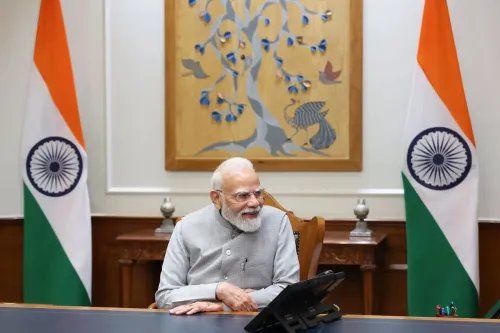
Prime Minister Narendra Modi met Skyroot Aerospace co-founders Pawan Chandana and Naga Bharath Daka on 27 July 2026, discussing the Vikram-1 launch vehicle and the road ahead for India's private space industry, underscoring the government's sustained push to build domestic commercial space capability.
Key Takeaways
Prime Minister Narendra Modi met Skyroot Aerospace co-founders Pawan Chandana and Naga Bharath Daka on 27 July 2026 .
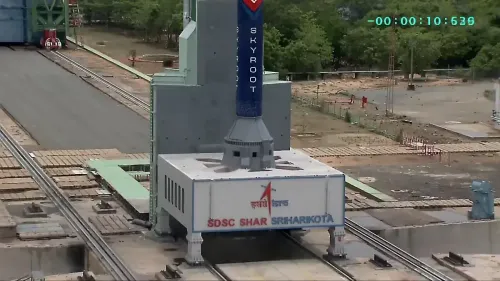
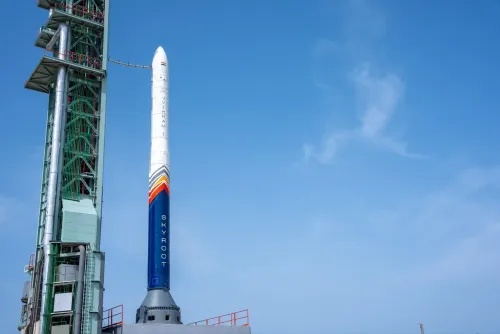
The success of Vikram-1 , Skyroot's small satellite launch vehicle, featured prominently in the discussion.
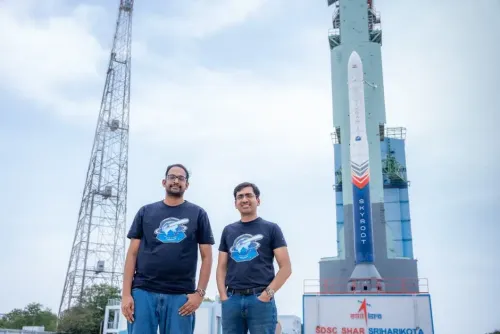
Skyroot Aerospace is a Hyderabad -based private space startup developing the Vikram series of commercial launch vehicles.
India opened its space sector to private players in June 2020 , establishing IN-SPACe as the regulatory body for non-governmental space activities.
The meeting reflects the government's continued high-level outreach to private space firms following the 2020 liberalisation reforms.
Further Vikram series test flights and new IN-SPACe or Department of Space announcements are key developments to watch.
Prime Minister Narendra Modi on Monday, 27 July 2026 met with Pawan Chandana and Naga Bharath Daka, the co-founders of Skyroot Aerospace, in what he described as a 'great interaction' covering the company's milestones and the future of India's private space sector.
Context
Skyroot Aerospace, headquartered in Hyderabad, is among India's most prominent private space launch startups, developing the Vikram series of small satellite launch vehicles. Pawan Chandana and Naga Bharath Daka co-founded the company with a focus on building indigenous, commercially viable rocket systems. The meeting with the Prime Minister signals continued high-level government engagement with the country's emerging private space industry.
According to the Prime Minister's post, the success of Vikram-1 featured 'prominently' in the discussion, alongside 'many other interesting subjects.' Modi also noted he was 'happy to hear about their journey so far and their insights on what lies ahead.'
Policy Backdrop
The interaction takes place against the backdrop of landmark reforms initiated in June 2020, when the Government of India opened the space sector to private players — allowing non-governmental entities to develop launch vehicles and offer satellite services for the first time. The Indian National Space Promotion and Authorisation Centre (IN-SPACe) was established the same year as the nodal body to regulate and facilitate private sector participation in space activities.
These reforms reduced the sector's exclusive dependence on the Indian Space Research Organisation (ISRO) and created a pathway for startups like Skyroot Aerospace to operate commercially. The government has since maintained active outreach to private space firms, positioning India as a competitive destination for small satellite launches globally.
Stakeholders and Impact
Skyroot Aerospace represents a new generation of Indian deep-tech startups operating at the intersection of aerospace engineering and commercial enterprise. Its Vikram series is designed specifically for small satellite deployment — a fast-growing market driven by demand from telecommunications, earth observation, and defence sectors.
For the broader private space ecosystem, a direct audience with the Prime Minister carries symbolic and practical weight. It signals policy continuity and potential regulatory or funding support from the Department of Space and IN-SPACe. Aerospace engineers, satellite operators, and venture investors in the sector will be watching closely for any downstream announcements.
What's Next
The meeting is likely to reinforce government momentum behind domestic private launch capability at a time when global competition in the small satellite launch market is intensifying. Further test flights of the Vikram series and any new policy or funding announcements from IN-SPACe or the Department of Space will be key indicators of how this engagement translates into concrete support.
India's ambition to capture a significant share of the global commercial space market over the coming decade depends substantially on the success of companies like Skyroot Aerospace — making high-level political backing a critical enabler for the sector's next phase of growth.
Point of View
The Prime Minister lends visible legitimacy to a startup ecosystem that still requires regulatory and financial scaffolding to scale. The interaction also serves a diplomatic-commercial purpose — signalling to global investors and satellite operators that India's private launch market has top-level political backing. Whether this translates into tangible policy moves, such as expanded IN-SPACe authorisations or dedicated space-startup funding, will determine the meeting's lasting significance.
NationPress
27 Jul 2026
Frequently Asked Questions
Who are the founders of Skyroot Aerospace?
Skyroot Aerospace was co-founded by Pawan Chandana and Naga Bharath Daka , both of whom met Prime Minister Modi on 27 July 2026 to discuss the company's progress and the future of India's private space sector.
Why did PM Modi meet Skyroot Aerospace?
Prime Minister Narendra Modi met Skyroot Aerospace's co-founders on 27 July 2026 to discuss the company's journey and milestones, including the success of Vikram-1 , as part of the government's sustained engagement with India's private space industry.
What are India's space sector reforms?
In June 2020 , the Government of India opened the space sector to private companies for the first time, allowing them to develop launch vehicles and satellite services. The Indian National Space Promotion and Authorisation Centre (IN-SPACe) was established the same year to regulate and support private space activities.
Where is Skyroot Aerospace based?
Skyroot Aerospace is headquartered in Hyderabad , India, and is one of the country's leading private space launch startups developing the Vikram series of small satellite launch vehicles.