Did PM Modi Honor C. Rajagopalachari's Enduring Legacy?
Click to start listening
Synopsis
On December 10, Prime Minister Narendra Modi commemorated the birth anniversary of C. Rajagopalachari, recognizing his profound impact on India's freedom struggle and governance. The Prime Minister shared archival treasures celebrating Rajaji's legacy. Discover how Rajagopalachari's contributions continue to inspire generations.
Key Takeaways
- C. Rajagopalachari was a key figure in India's freedom movement.
- He served as India's last Governor-General.
- Rajaji was a close associate of Mahatma Gandhi.
- He founded the Swatantra Party.
- His legacy includes advocacy for social reforms and human dignity.
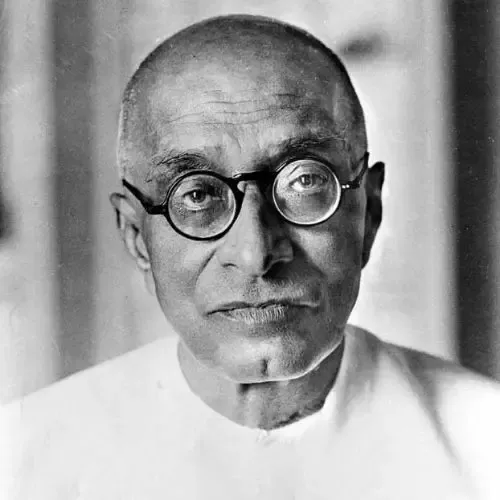
New Delhi, Dec 10 (NationPress) On Wednesday, Prime Minister Narendra Modi paid heartfelt tributes to C. Rajagopalachari, affectionately known as Rajaji, in honor of his birth anniversary. He expressed that the nation continues to cherish and remember Rajagopalachari's significant contributions with utmost gratitude.
To commemorate this occasion, the Prime Minister shared various archival documents related to Rajagopalachari.
Born on December 10, 1878, C. Rajagopalachari was a prominent Indian statesman, freedom fighter, and author, notably recognized as the last Governor-General of independent India—the only Indian to hold this illustrious position.
In a post on X, PM Modi remarked, "When we think of Shri C. Rajagopalachari, words like freedom fighter, intellectual, and statesman come to mind. We pay our respects to him on his birth anniversary. He was undoubtedly one of the sharpest intellects of the 20th century, dedicated to fostering value and preserving human dignity. Our nation remains grateful for his lasting contributions."
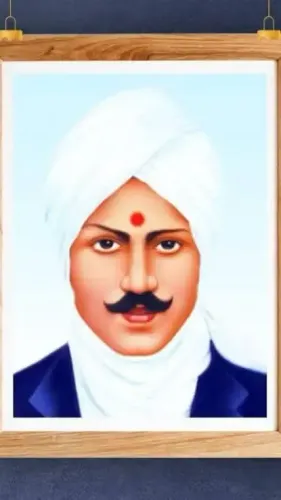
During this commemoration, the Prime Minister also presented rare and captivating archival items, including a youthful photograph of Rajaji, the official appointment as a Cabinet Minister, images with volunteers from the 1920s, and a 1922 edition of Young India, which Rajaji edited during Mahatma Gandhi's imprisonment.
A close ally of Mahatma Gandhi, Rajaji ardently supported social reforms, particularly in combating untouchability.
He held the position of Premier of the former Madras Presidency, later established the Swatantra Party, and was awarded the Bharat Ratna in 1954 for his exceptional contributions to politics, literature, and public service.
His pivotal interaction with Mahatma Gandhi in 1919 marked a significant shift in his life, leading him to abandon a flourishing legal career to fully commit to the national freedom movement.
The bond between them strengthened over time, with Gandhi referring to Rajaji as the "keeper of my conscience."
Rajaji participated in several landmark movements, including protests against the Rowlatt Act, the Non-Cooperation Movement, the Vaikom Satyagraha, and the Civil Disobedience Movement.
His active involvement in these struggles led to his imprisonment five times between 1912 and 1941.
C. Rajagopalachari passed away on December 25, 1972.
Point of View
The recognition of C. Rajagopalachari's contributions reminds us of the importance of honoring our past while inspiring future generations. As a country, we must uphold the values of freedom and dignity that leaders like Rajaji stood for, ensuring that their legacies continue to guide our national ethos.
NationPress
11/12/2025
Frequently Asked Questions
Who was C. Rajagopalachari?
C. Rajagopalachari, also known as Rajaji, was a prominent Indian statesman, freedom fighter, and the last Governor-General of independent India.
What did PM Modi commemorate on December 10?
PM Modi commemorated the birth anniversary of C. Rajagopalachari, honoring his significant contributions to India's freedom struggle and governance.
What are some key contributions of Rajagopalachari?
Rajagopalachari was known for his role in the freedom movement, advocacy for social reforms, and serving as the Premier of the Madras Presidency.
When did C. Rajagopalachari pass away?
C. Rajagopalachari passed away on December 25, 1972.
What honors did Rajagopalachari receive?
He was awarded the Bharat Ratna in 1954 for his exceptional contributions to politics, literature, and public service.