PM Modi Pays Homage to Emergency Victims on 51st Anniversary
Synopsis
On the 51st anniversary of India's Emergency, Prime Minister Narendra Modi paid homage to those who resisted the 1975–77 crackdown, describing it as a direct assault on the Constitution and one of the darkest chapters in the nation's history.
Key Takeaways
PM Modi marked 25 June 2026 — the 51st anniversary of the Emergency proclamation — with a tribute post on X.
He described the Emergency as 'a direct assault on our Constitution' involving suspension of civil liberties and curbs on freedom of expression.
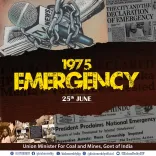
The Emergency was proclaimed on 25 June 1975 under Article 352 on the advice of PM Indira Gandhi and lasted until March 1977 .
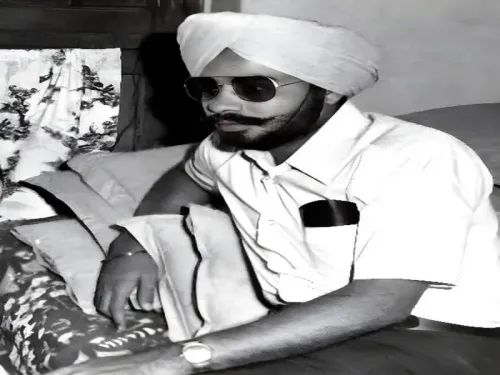
Opposition leader Jayaprakash Narayan was among thousands imprisoned without trial during the period.
The BJP has made annual commemoration of 25 June a consistent political practice, contrasting the Emergency era with its own governance record.
Possible official commemorative events and parliamentary debates are expected to follow the anniversary.
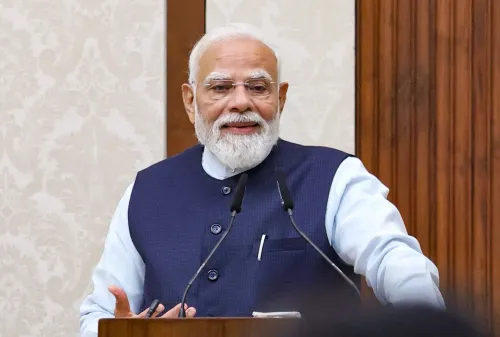
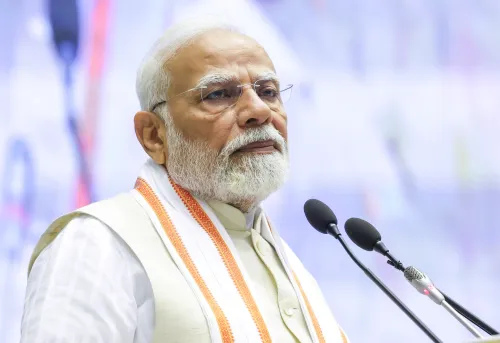
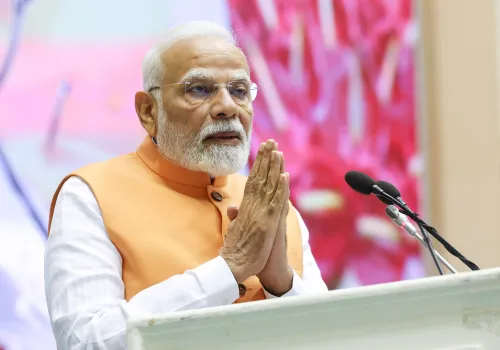
Prime Minister Narendra Modi on Thursday, 25 June 2026, paid tribute to all those who resisted the Emergency, calling the 1975–77 period 'one of the darkest chapters in India's history' and describing it as 'a direct assault on our Constitution.'
Context
The Emergency was proclaimed on 25 June 1975 by President Fakhruddin Ali Ahmed on the advice of then Prime Minister Indira Gandhi under Article 352 of the Constitution of India, on grounds of 'internal disturbance.' It lasted until March 1977, a period during which fundamental rights were suspended, the press was censored, and thousands of political opponents were detained without trial.
In his post, Modi stated that the Emergency 'witnessed the suspension of civil liberties, curbs on freedom of expression' — underscoring the constitutional harm inflicted during that era. The anniversary falls exactly 51 years after the original proclamation.
Policy Backdrop
The Constitution of India, whose fundamental rights provisions were effectively suspended during the Emergency, underwent several contentious amendments in that period. Prominent opposition figures, including Jayaprakash Narayan — the veteran socialist leader who had galvanised a nationwide movement against corruption and authoritarian rule — were imprisoned without charge.
The 1977 general elections, held after the Emergency was lifted, resulted in a decisive electoral defeat for Indira Gandhi and the Indian National Congress, widely interpreted as a popular verdict against the excesses of those two years. The episode remains one of the most contested episodes in post-independence Indian political history.
Stakeholders and Impact
The BJP has consistently marked 25 June as a day of remembrance, framing it as a warning against threats to constitutional democracy. Civil liberties groups, historians, and political opposition parties each year revisit the Emergency's legacy from differing vantage points, making the anniversary a recurring flashpoint in India's partisan landscape.
For the families of those detained, for journalists who faced censorship, and for activists who resisted the crackdown, the day carries personal weight beyond its political symbolism. Modi's post explicitly honours 'all those who steadfastly defended democratic values,' a phrase that encompasses this broad coalition of resisters.
What's Next
With the 51st anniversary now marked, attention will turn to whether the government announces any official commemorative events, parliamentary references, or policy gestures — such as formal recognition of Emergency-era detainees — in the days ahead. The anniversary has in recent years prompted debates in both Houses of Parliament, and similar discussions are anticipated this session.
The BJP's framing of the Emergency as a 'Congress-era assault' on democracy is expected to intensify as the 2029 general election cycle approaches, making the historical narrative an increasingly active front in India's political contest.
Point of View
The BJP frames itself as the natural guardian of democratic norms, a contrast it has deployed consistently since returning to power. The timing, exactly on the anniversary, ensures maximum resonance and invites media cycles that the opposition must spend political capital responding to. As the next general election draws closer, this narrative of 'saved democracy versus threatened democracy' is likely to become a more prominent pillar of BJP's identity politics.
NationPress
25 Jun 2026
Frequently Asked Questions
What was the Emergency in India?
The Emergency was a period of authoritarian rule from 25 June 1975 to March 1977 , during which President Fakhruddin Ali Ahmed proclaimed a state of emergency on the advice of PM Indira Gandhi under Article 352, suspending fundamental rights and detaining political opponents.
Why does PM Modi mark 25 June every year?
PM Modi and the BJP observe 25 June as a day of remembrance to honour those who resisted the Emergency, framing the episode as a cautionary reminder of threats to constitutional democracy under Congress rule.
Who was Jayaprakash Narayan and what role did he play during the Emergency?
Jayaprakash Narayan was a veteran socialist opposition leader who led a nationwide movement against corruption and authoritarian governance before the Emergency. He was imprisoned without trial after the Emergency was declared in 1975 .
What happened to Indira Gandhi after the Emergency?
After lifting the Emergency and calling elections, Indira Gandhi and the Indian National Congress suffered a decisive defeat in the 1977 general elections , widely seen as a popular rejection of Emergency-era excesses.
What did PM Modi say about the Emergency on 25 June 2026?
PM Modi called the Emergency 'one of the darkest chapters in India's history' and 'a direct assault on our Constitution,' paying homage to all those who defended democratic values during the 1975–77 period.