Puri marks Emergency anniversary, calls it 'black chapter'
Synopsis
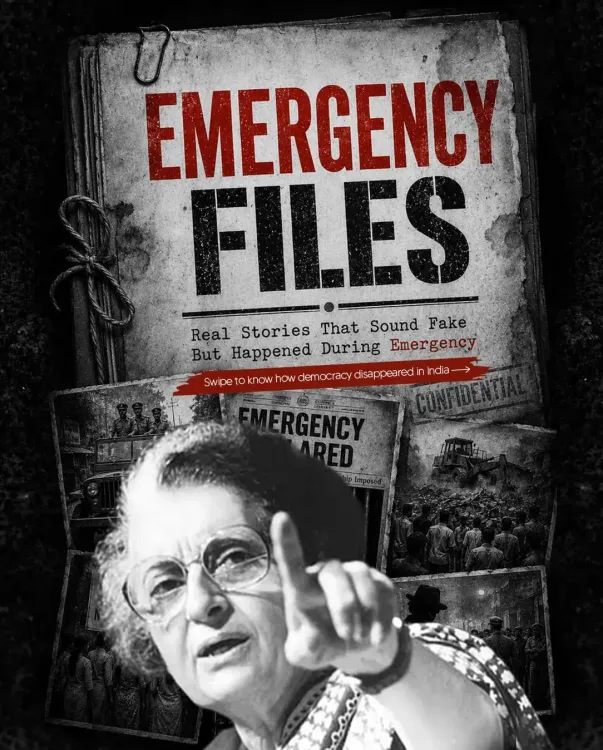
Union Petroleum Minister Hardeep Singh Puri marked the 51st anniversary of the 1975 Emergency on 25 June 2026, calling it a 'black chapter' in Indian democracy, accusing Congress of strangling the Constitution, and saluting those who resisted authoritarian rule under the hashtag #SamvidhaanHatyaDiwas.
Key Takeaways
Union Petroleum Minister Hardeep Singh Puri posted on 25 June 2026 marking the 51st anniversary of the 1975 Emergency, calling it a 'black chapter in Indian democracy.' Puri accused the Congress party of imposing the Emergency out of a desire to retain power, suppressing fundamental rights, press freedom, and political opposition.
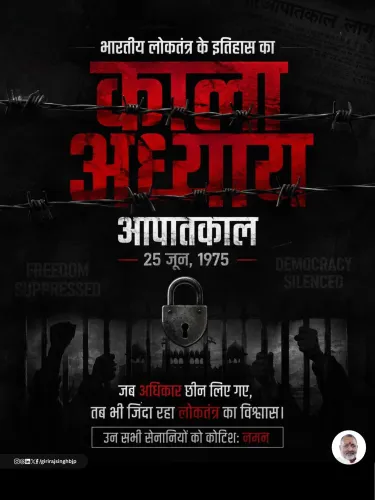
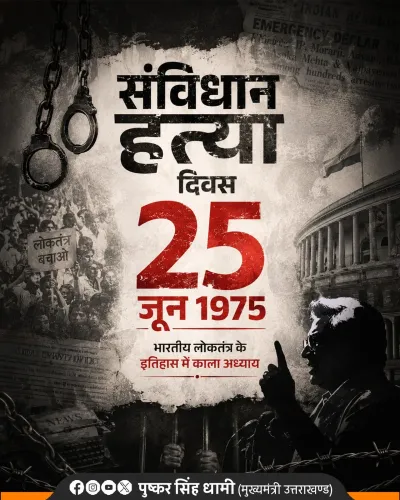
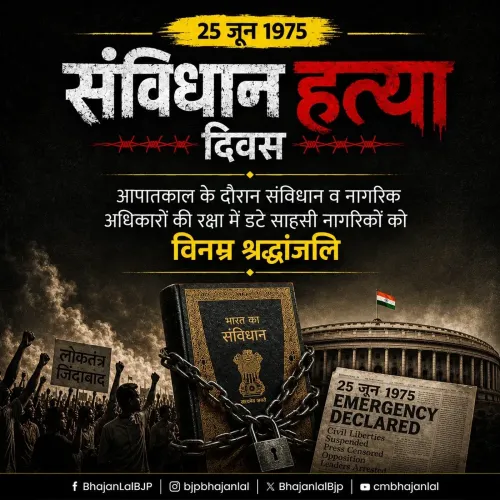
The post used the hashtag #SamvidhaanHatyaDiwas ('Constitution Murder Day'), a BJP-associated term for the Emergency anniversary.
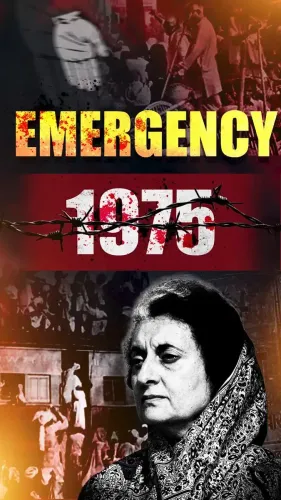
The 1975 National Emergency was imposed under Article 352 by Prime Minister Indira Gandhi on 25 June 1975 and lasted until March 1977 .
Puri paid tribute to all those who endured hardship and fought for the restoration of democracy during the 21-month Emergency period .
BJP's annual commemoration of this date forms part of a consistent political strategy contrasting Congress-era governance with the party's constitutional self-image.
Union Petroleum Minister Hardeep Singh Puri on Thursday, 25 June 2026, marked the 51st anniversary of the 1975 Emergency with a sharp post on X, calling it a dark day in Indian democratic history and paying tribute to those who resisted authoritarian rule during the 21-month suspension of civil liberties.
Context
Puri's post, written in Hindi, described the day as 'bhartiya loktantra ke itihas ka voh kala adhyay' — 'that black chapter in the history of Indian democracy' — when, he said, an attempt was made to crush the constitutional soul of the nation. He accused the Congress party of strangling the Constitution and democracy out of a desire to retain power, imposing the Emergency on 25 June 1975.
The post used the hashtag #SamvidhaanHatyaDiwas — roughly translated as 'Constitution Murder Day' — a term that has gained traction in BJP political discourse as an alternative framing of the Emergency anniversary. Puri saluted all those who endured hardship and fought for the restoration of democracy during the period.
Policy Backdrop
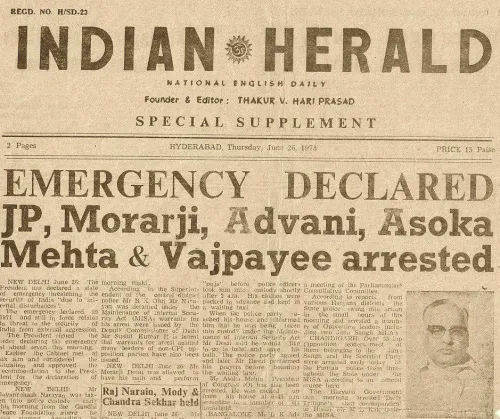
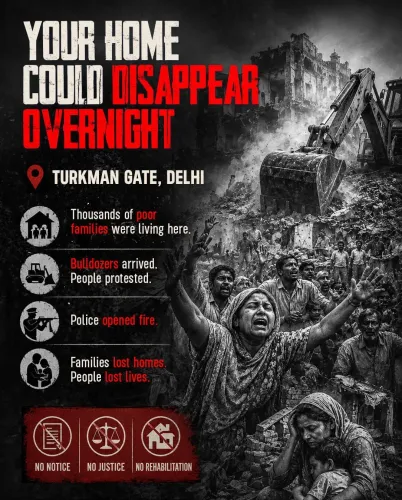
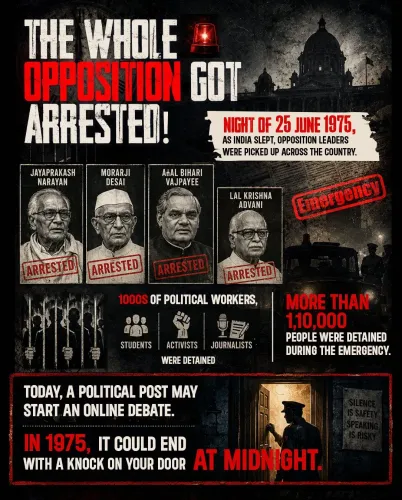
The National Emergency was imposed by then Prime Minister Indira Gandhi under Article 352 of the Constitution on 25 June 1975 and remained in force until March 1977, when it was lifted ahead of general elections. During this period, fundamental rights were suspended, the press was censored, and political opponents were detained without trial.
The Indian National Congress government of the time invoked internal disturbance as the constitutional ground for the proclamation. Historians and constitutional scholars have since documented the period as one of the most significant ruptures in post-independence Indian democratic governance.
Stakeholders and Impact
BJP leaders have consistently marked 25 June each year as a moment to highlight what they describe as Congress-era authoritarianism, positioning their own party as a defender of constitutional democracy. Puri's post follows this established pattern, extending tribute specifically to political prisoners, press workers, and civil society figures who resisted the Emergency regime.
For the Congress party, the anniversary remains politically sensitive. The party has in previous years pushed back against BJP characterisations, arguing that the Emergency was a product of extraordinary political circumstances and that subsequent governments have also tested constitutional limits. Opposition responses to such annual commemorations — in Parliament or on social media — form a recurring feature of the political calendar around this date.
What's Next
With the anniversary falling on a date that now anchors an annual cycle of political memory contests, formal government observances, parliamentary statements, and social media campaigns are expected across party lines in the days ahead. The use of the #SamvidhaanHatyaDiwas hashtag signals that the BJP intends to keep the Emergency's legacy as a live electoral and constitutional reference point, particularly as debates around civil liberties, press freedom, and institutional independence continue in contemporary Indian public life.
Point of View
Using the Emergency anniversary to reinforce a long-running contrast between Congress-era authoritarianism and the party's self-image as a constitutional guardian. The hashtag #SamvidhaanHatyaDiwas reflects a deliberate effort to codify the date in public consciousness with a charged, BJP-coined label rather than the neutral 'Emergency anniversary.' This annual ritual has grown more pointed over the years, serving simultaneously as a tribute, an attack line, and a mobilisation signal. The political salience of the Emergency narrative is unlikely to diminish as long as questions about civil liberties and institutional independence remain contested in Indian public discourse.
NationPress
25 Jun 2026
Frequently Asked Questions
What is #SamvidhaanHatyaDiwas and why is it trending?
#SamvidhaanHatyaDiwas, meaning 'Constitution Murder Day,' is a term used by BJP leaders to mark 25 June as the anniversary of the 1975 Emergency imposed by the Indira Gandhi government, which suspended fundamental rights and press freedom for 21 months. It trends each year on 25 June as BJP politicians and supporters post tributes and condemnations.
What did Hardeep Singh Puri say about the Emergency on 25 June 2026?
Puri posted in Hindi calling 25 June a 'black chapter in the history of Indian democracy,' accusing Congress of strangling the Constitution to retain power, and saluting all those who fought for democracy's restoration during the Emergency period.
When was the 1975 Emergency imposed and how long did it last?
The National Emergency was imposed on 25 June 1975 by Prime Minister Indira Gandhi under Article 352 of the Constitution and remained in force until March 1977, a period of approximately 21 months during which civil liberties were suspended and political opponents were detained.
Why do BJP leaders commemorate the 1975 Emergency every year?
BJP leaders use the Emergency anniversary to highlight what they describe as Congress-era authoritarianism and to position their party as a defender of constitutional democracy. The annual commemoration is part of a broader political memory strategy contrasting 1970s governance with post-2014 institutional practices.
What rights were suspended during the 1975 Emergency in India?
During the 1975-77 Emergency, fundamental rights including the right to personal liberty were suspended, the press was censored, political opponents were detained without trial, and the government redefined constitutional provisions to consolidate executive power.