PM Modi pays tribute at Statue of Unity on Patel's 151st birth anniversary
Synopsis
Prime Minister Narendra Modi paid floral tributes and performed padapuja at the Statue of Unity in Kevadia, Gujarat, on 31 October 2026, marking Sardar Vallabhbhai Patel's 151st birth anniversary and Rashtriya Ekta Diwas.
Key Takeaways
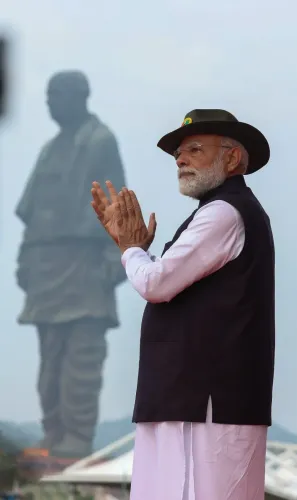
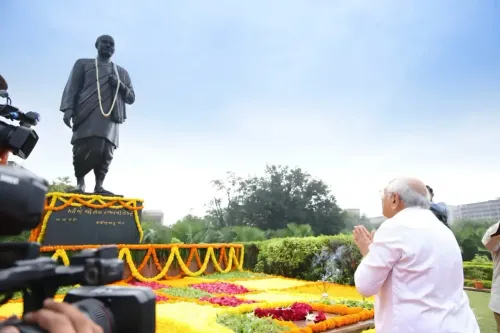
PM Narendra Modi offered pushpanjali and performed padapuja at the Statue of Unity, Kevadia on 31 October 2026 .
The occasion marks Sardar Vallabhbhai Patel's 151st birth anniversary and Rashtriya Ekta Diwas .
Rashtriya Ekta Diwas has been observed nationally every 31 October since 2014 .
The Statue of Unity , at 182 metres , is the world's tallest statue, inaugurated by PM Modi on 31 October 2018 .
Sardar Patel integrated over 500 princely states into India after independence in 1947 .
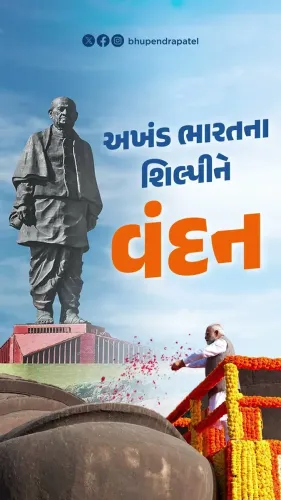
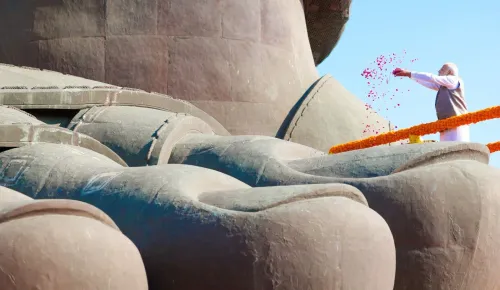
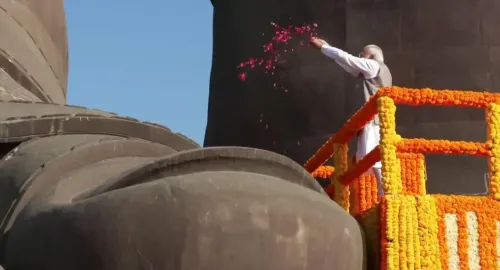
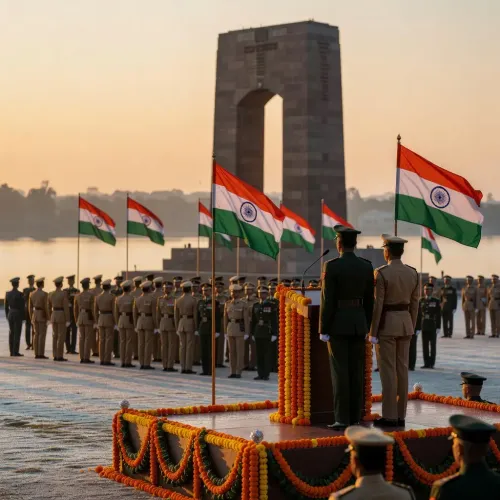
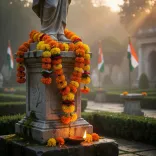
On the 151st birth anniversary of Sardar Vallabhbhai Patel, Prime Minister Narendra Modi travelled to the Statue of Unity in Kevadia, Gujarat, to offer floral tributes and perform padapuja (a gesture of reverence) at the base of the world's tallest statue — honouring the man who stitched a fractured subcontinent into a single republic.
The Chief Minister's Office of Gujarat confirmed the tribute on Saturday, 31 October 2026, noting that the Prime Minister paid homage to the architect of India's unity and integrity on the occasion of #RashtriyaEktaDiwas2026. The post, written in Gujarati, described Modi as offering 'pushpanjali' — a ceremonial offering of flowers — and expressing heartfelt reverence towards Sardar Patel.
Why October 31 carries the weight it does
Rashtriya Ekta Diwas, or National Unity Day, has been observed every 31 October since 2014, when the central government instituted the annual commemoration to mark Patel's birth anniversary. The date was chosen deliberately — Patel's legacy of integrating over 500 princely states into the Indian Union after independence in 1947 made him the natural symbol around which a 'unity' observance could be anchored.
The Statue of Unity: from inauguration to annual pilgrimage
The Statue of Unity, standing at 182 metres in Kevadia, Gujarat, was inaugurated by PM Modi on 31 October 2018 — itself a Rashtriya Ekta Diwas. At nearly double the height of the Statue of Liberty, it is the world's tallest statue and has since become the focal point of the national day's ceremonies. Each year, the Prime Minister's visit to Kevadia has turned the occasion into a signature state ritual, reinforcing both Patel's historical stature and Gujarat's centrality to the national integration narrative.
Sardar Patel's enduring place in India's founding story
Sardar Vallabhbhai Patel served as India's first Deputy Prime Minister and Home Minister. His role in persuading, and at times pressing, the rulers of hundreds of princely states to accede to India is widely regarded as one of the most consequential acts of modern statecraft. Without that integration, the map of independent India would have looked strikingly different. The annual tribute at the Statue of Unity keeps that chapter of history in the public eye — particularly for younger generations who did not live through Partition and independence.
Point of View
The ritual carries added weight — a sesquicentennial milestone that gives the occasion a longer historical horizon than routine annual commemorations.
NationPress
31 Oct 2026
Frequently Asked Questions
What is Rashtriya Ekta Diwas and when is it observed?
Rashtriya Ekta Diwas, or National Unity Day, is observed every year on 31 October — the birth anniversary of Sardar Vallabhbhai Patel . It was instituted by the central government in 2014 to honour Patel's role in integrating India's princely states.
Why is the Statue of Unity significant for Rashtriya Ekta Diwas?
The Statue of Unity in Kevadia, Gujarat is dedicated to Sardar Patel and is the world's tallest statue at 182 metres . Inaugurated on 31 October 2018 by PM Modi, it serves as the central venue for the annual national tribute.
What did PM Modi do at the Statue of Unity on 31 October 2026?
PM Narendra Modi offered pushpanjali (floral tribute) and performed padapuja at the Statue of Unity to mark Sardar Patel's 151st birth anniversary and Rashtriya Ekta Diwas 2026.
How many princely states did Sardar Patel integrate into India?
Sardar Vallabhbhai Patel integrated over 500 princely states into the Indian Union after independence in 1947 , earning him the title 'Iron Man of India' and 'architect of national unity'.
Where is the Statue of Unity located?
The Statue of Unity is located in Kevadia, Narmada district, Gujarat , on the bank of the Sardar Sarovar Dam .