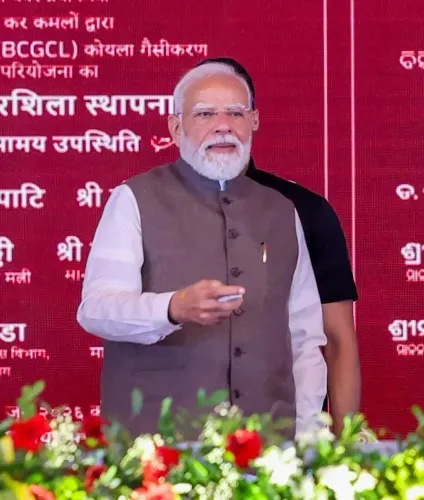
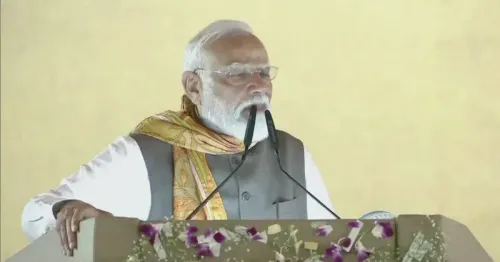
PM Modi releases PM-KISAN 24th instalment, ₹18,690 cr to 9.34 cr farmers
Synopsis
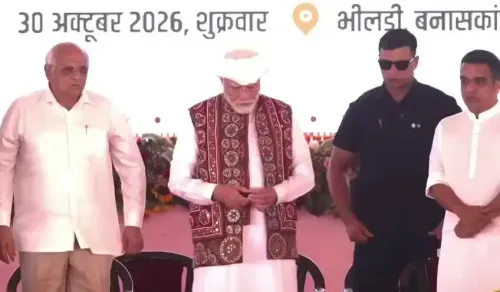
Prime Minister Narendra Modi released the 24th instalment of PM-KISAN on 30 October 2026, transferring over ₹18,690 crore to more than 9.34 crore farmer families. Union Minister Rajiv Ranjan Singh highlighted the transfer as critical support for agricultural strength and rural economic momentum.
Key Takeaways
PM Modi released the 24th instalment of PM-KISAN on 30 October 2026 .
Over ₹18,690 crore was transferred to more than 9.34 crore beneficiary farmer families.
Funds were routed via Direct Benefit Transfer (DBT) into Aadhaar-linked bank accounts.
PM-KISAN , launched on 24 February 2019 , provides ₹6,000 per year in three instalments of ₹2,000 each to eligible landholding farmers.
The October release coincides with rabi sowing season , aiding farmer input purchases.
Union Minister Rajiv Ranjan Singh (Lalan Singh) of JD(U) welcomed the transfer as a boost to rural economic momentum.
Over 9.34 crore farmer families woke up to a direct credit on Friday, 30 October 2026, as Prime Minister Narendra Modi released the 24th instalment of the Pradhan Mantri Kisan Samman Nidhi (PM-KISAN) scheme — pushing more than ₹18,690 crore straight into verified bank accounts in a single stroke. Union Panchayati Raj and Fisheries Minister Rajiv Ranjan Singh, popularly known as Lalan Singh, hailed the transfer as a pillar of rural economic resilience.
What the 24th instalment means for India's farm economy
In his post, Minister Singh wrote that the funds would 'kisan ko aarthik sambal pradaan karne ke saath krishi kshetra ko majboot banana' — 'provide economic support to farmers while strengthening the agricultural sector and giving momentum to the rural economy.' The framing is deliberate: PM-KISAN is not positioned merely as relief, but as a lubricant for rural liquidity at a time when input costs and seasonal credit demand peak before the rabi sowing cycle.
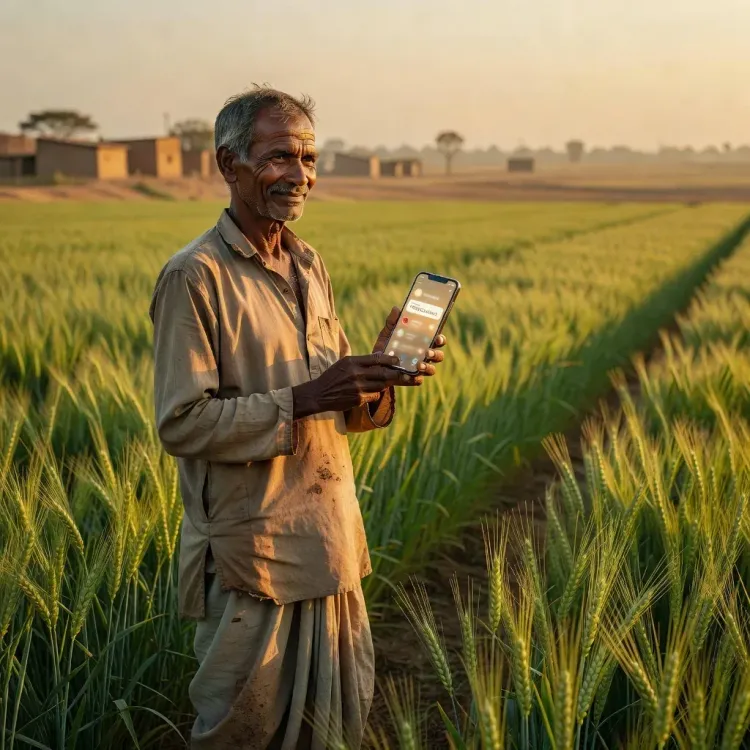
PM-KISAN was launched on 24 February 2019, announced in the interim budget of that year. It delivers ₹6,000 per year per eligible landholding farmer family in three equal instalments of ₹2,000 each, routed through the Direct Benefit Transfer (DBT) mechanism to minimise leakages and ensure last-mile delivery.
Seven years of DBT, and the architecture behind the transfer
The scale of the 24th instalment — if each beneficiary received the standard ₹2,000, the arithmetic across 9.34 crore households lands precisely at the reported figure — underlines how the scheme's administrative backbone has matured. Every beneficiary is verified through land records and linked to an Aadhaar-seeded bank account, a pipeline that has been progressively tightened through periodic verification drives since the scheme's launch.
Releases are typically timed around agricultural cycles. An October disbursement aligns with rabi season preparations, when farmers need cash for seeds, fertiliser, and diesel — making the timing as consequential as the quantum.
Lalan Singh's political signalling in an NDA coalition moment
Rajiv Ranjan Singh serves in the National Democratic Alliance (NDA) cabinet as a senior leader of Janata Dal (United), the Bihar-based party that is one of the coalition's key pillars. His amplification of a PM-Modi-led welfare milestone is also a reminder of JD(U)'s consistent stress on farmer welfare as central to its political identity, particularly in Bihar where small and marginal landholders form a vast electoral constituency.
The broader pattern holds: across welfare programmes from food security to housing, the Modi government has doubled down on DBT as its signature delivery architecture, arguing it cuts out intermediaries and puts money directly in citizens' hands. PM-KISAN remains the flagship proof point of that model at agricultural scale.
With the next Union Budget on the horizon, the question now is whether the scheme's outlay, beneficiary eligibility norms, or per-instalment quantum will see any revision — because at ₹18,690 crore per release, the fiscal commitment is already one of India's largest single welfare transfers.
Point of View
Leakage-prone subsidy channels. For JD(U) and senior ministers like Lalan Singh, amplifying a transfer of this scale serves a dual function: validating coalition governance and speaking directly to Bihar's vast smallholder farming base. The October timing — aligning with rabi season prep — is not accidental; it reflects a deliberate effort to make the cash feel consequential rather than routine. The approaching Union Budget will test whether the government deepens the scheme's reach or holds the line on its current architecture.
NationPress
30 Oct 2026
Frequently Asked Questions
What is the PM-KISAN scheme and how much do farmers get?
PM-KISAN (Pradhan Mantri Kisan Samman Nidhi) provides ₹6,000 per year to eligible landholding farmer families, paid in three instalments of ₹2,000 each directly into their bank accounts via DBT. It was launched on 24 February 2019.
When was the 24th instalment of PM-KISAN released?
The 24th PM-KISAN instalment was released by Prime Minister Narendra Modi on 30 October 2026, transferring over ₹18,690 crore to more than 9.34 crore farmer families.
Who is Lalan Singh and why did he post about PM-KISAN?
Lalan Singh, formally known as Rajiv Ranjan Singh, is a senior Janata Dal (United) leader and Union Minister for Panchayati Raj, Fisheries, Animal Husbandry and Dairying. He posted about the PM-KISAN instalment release to highlight the government's farmer welfare measures.
How does PM-KISAN money reach farmers?
PM-KISAN funds are transferred through the Direct Benefit Transfer (DBT) system directly into Aadhaar-seeded bank accounts of verified beneficiaries identified through land records, minimising intermediaries and leakages.
How many instalments of PM-KISAN have been released so far?
As of 30 October 2026, the government has released 24 instalments of PM-KISAN since the scheme's launch in February 2019, with three instalments typically released each financial year.