PM Modi pays tribute to K. Kamaraj on birth anniversary
Synopsis
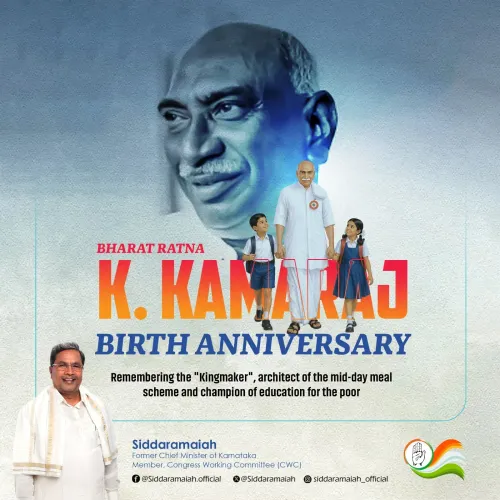
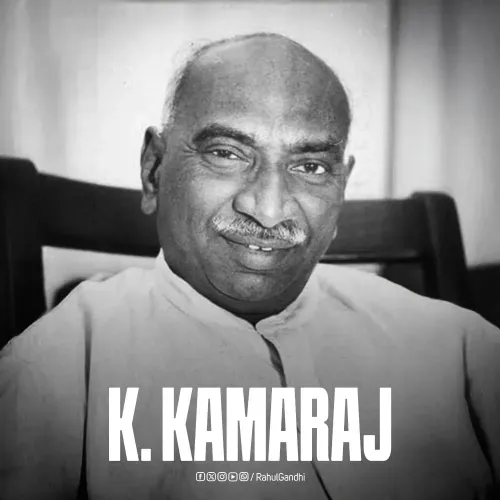
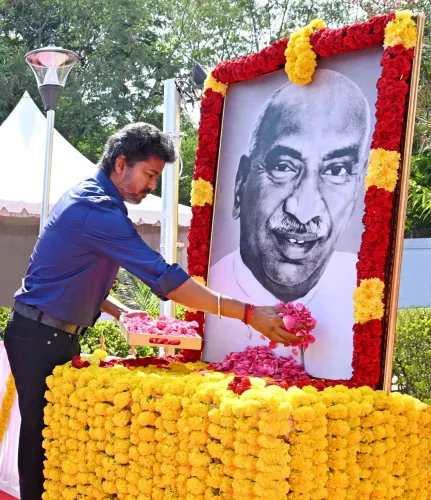
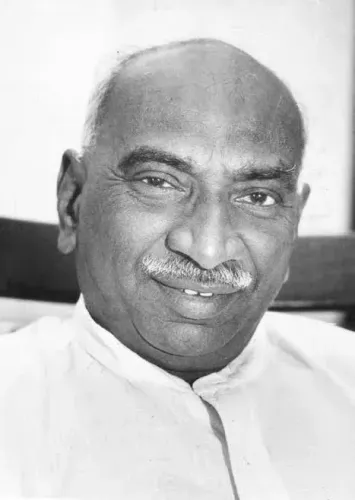
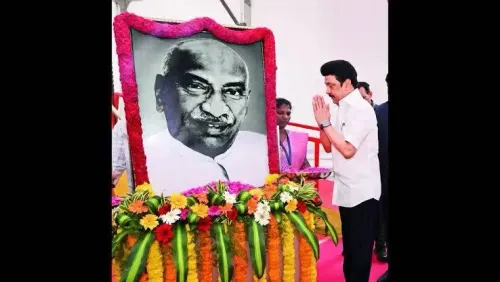
Prime Minister Narendra Modi on 15 July 2026 paid tribute to Kumaraswami Kamaraj on his birth anniversary, honouring the Congress stalwart's legacy in education, the Noon Meal Scheme, and inclusive development during his tenure as Chief Minister of Madras State from 1954 to 1963.
Key Takeaways
PM Modi issued a tribute to K.
Kamaraj on his birth anniversary on 15 July 2026 , calling him 'a stalwart of India's freedom movement.' Kamaraj served as Chief Minister of Madras State from 1954 to 1963 , introducing free education up to the sixth standard and large-scale school construction.
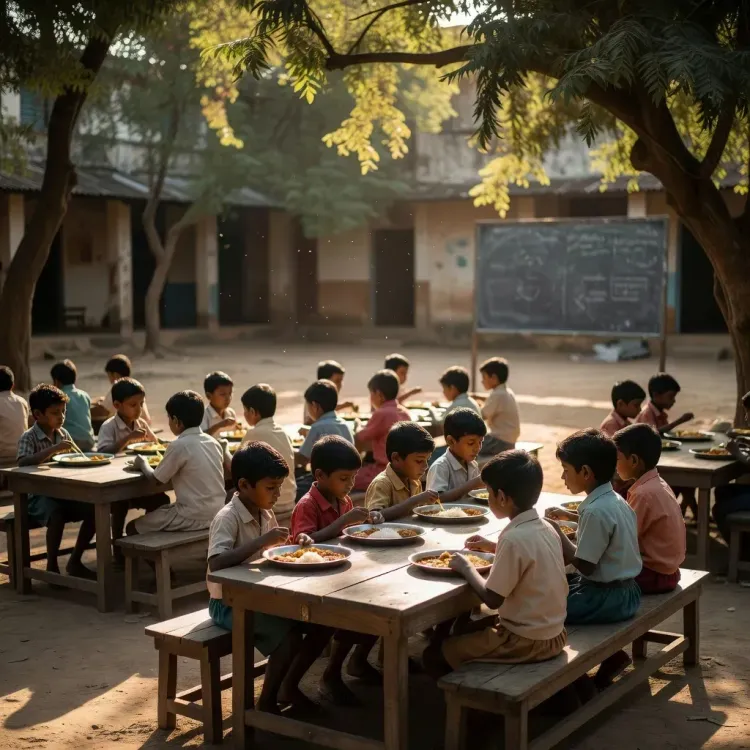
He pioneered the Noon Meal Scheme in the mid-1950s , a programme that directly shaped India's national Midday Meal Scheme .
Kamaraj served as Congress president from 1964 to 1967 and was a key kingmaker in selecting post-Nehru prime ministers.
Leaders across party lines have consistently honoured Kamaraj on 15 July , treating him as a consensus figure of post-independence governance.
Prime Minister Narendra Modi on Wednesday, 15 July 2026 paid tribute to Kumaraswami Kamaraj on his birth anniversary, honouring the late Congress stalwart as a towering figure of India's freedom movement and a champion of education and inclusive development.
Context
In his post, PM Modi remembered Thiru K. Kamaraj Ji as 'a stalwart of India's freedom movement and an exceptional public figure' who 'dedicated his life to nation-building,' with 'unwavering commitment to areas like education, inclusive development and the welfare of the people.' The tribute, issued on 15 July, marks the birth anniversary of a leader widely regarded across party lines as one of post-independence India's most consequential administrators.
Policy Backdrop
Kamaraj, born in 1903 and a lifelong member of the Indian National Congress, served as Chief Minister of Madras State from 1954 to 1963. During that tenure he launched free education up to the sixth standard and oversaw large-scale school construction across the state, transforming access to learning for rural and marginalised communities.
His administration introduced the Noon Meal Scheme in the mid-1950s — a free school-lunch programme designed to raise enrolment and combat child malnutrition — which directly informed subsequent state and central nutrition programmes for schoolchildren, including the nationally expanded Midday Meal Scheme. In 1963, Kamaraj also authored the Kamaraj Plan, under which senior Congress ministers resigned office to revitalise the party organisation, setting a precedent for intra-party discipline. He later served as Congress president from 1964 to 1967 and played a decisive role in selecting prime ministers in the post-Nehru era.
Stakeholders and Impact
The legacy being commemorated today touches millions of schoolchildren and rural households in Tamil Nadu — then Madras State — whose access to education and nutrition was transformed by Kamaraj's policies. Education administrators and policymakers across the country continue to cite his governance model as a foundational reference point for welfare design.
Indian prime ministers from different parties have routinely issued public tributes on 15 July to Kamaraj, treating him as a consensus figure of early post-independence governance. The emphasis on education and inclusive development in PM Modi's tribute mirrors recurring official messaging that links current welfare schemes to precedents set in the 1950s and 1960s, underscoring a bipartisan acknowledgement of his contributions.
What's Next
Observers will watch for any follow-up references to education-budget allocations or expansions of midday-meal coverage in the run-up to the next academic year, as anniversaries of this kind often precede policy announcements that invoke historical precedents. Tamil Nadu assembly sessions and national education-policy reviews remain forums where Kamaraj's legacy is frequently invoked to anchor contemporary welfare debates.
Point of View
But it also serves a subtler political purpose: by invoking Kamaraj's emphasis on education and inclusive development, the ruling dispensation signals continuity between its own welfare agenda and the foundational social-policy architecture of early post-independence India. The tribute implicitly positions current schemes — such as the expanded Midday Meal programme — as heirs to Kamaraj's pioneering work, lending them historical legitimacy. At the same time, honouring a Congress icon allows the BJP-led government to project a broad, non-partisan nationalism. Such commemorations are low-risk, high-signal moments in Indian political communication.
NationPress
13 Oct 2026
Frequently Asked Questions
Who was K. Kamaraj and why is he remembered?
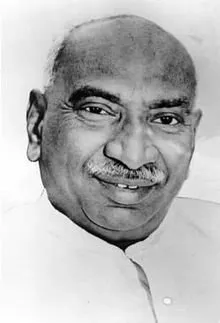
Kumaraswami Kamaraj (1903–1975) was an Indian independence activist and Congress politician who served as Chief Minister of Madras State from 1954 to 1963 . He is remembered for introducing free education, large-scale school construction, and the Noon Meal Scheme , which became a model for national nutrition programmes.
What did PM Modi say about Kamaraj on his birth anniversary?
PM Modi described Kamaraj as 'a stalwart of India's freedom movement and an exceptional public figure' who 'dedicated his life to nation-building,' highlighting his commitment to education, inclusive development, and public welfare.
When is K. Kamaraj's birth anniversary?
K. Kamaraj's birth anniversary falls on 15 July . He was born on 15 July 1903 in Virudhunagar, in present-day Tamil Nadu .
What is the Kamaraj Noon Meal Scheme?
The Noon Meal Scheme was a free school-lunch programme introduced by Kamaraj in the mid-1950s during his tenure as Chief Minister of Madras State . It was designed to boost school enrolment and combat child malnutrition, and it directly inspired India's nationally expanded Midday Meal Scheme .
Why do leaders from different parties pay tribute to Kamaraj?
Kamaraj is regarded as a consensus figure of early post-independence governance because his contributions — particularly in education and nutrition — transcended party ideology. Indian prime ministers and chief ministers across the political spectrum have routinely honoured him on 15 July , treating his legacy as a shared national inheritance.