Pralhad Joshi Hails India-UK CETA as Landmark Trade Deal
Synopsis
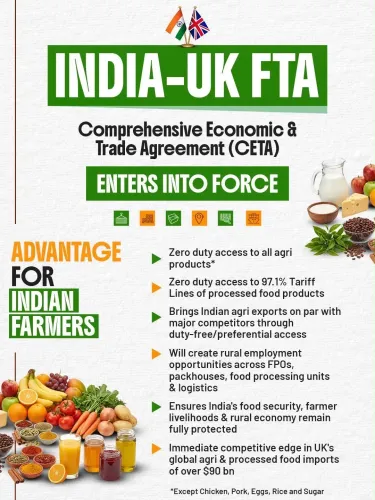
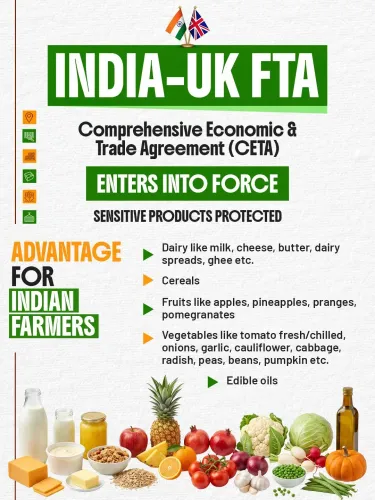
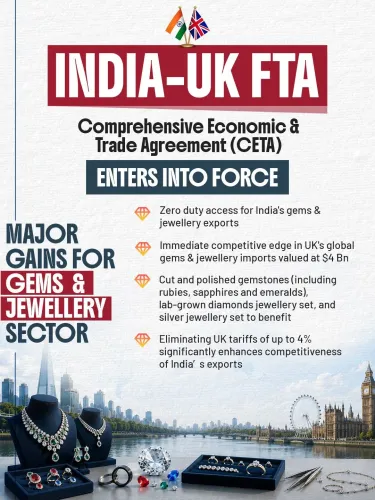
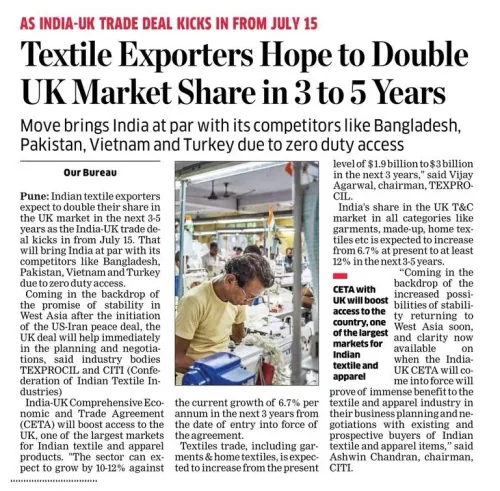
Union Minister Pralhad Joshi on July 15, 2026, welcomed the India-UK Comprehensive Economic and Trade Agreement, saying it opens major opportunities for farmers, MSMEs, exporters and professionals, and delivers a significant boost to trade and investment under PM Modi's guidance.
Key Takeaways
Union Minister Pralhad Joshi publicly endorsed the India–UK CETA on July 15, 2026 , calling it a 'transformative step' in bilateral economic relations.
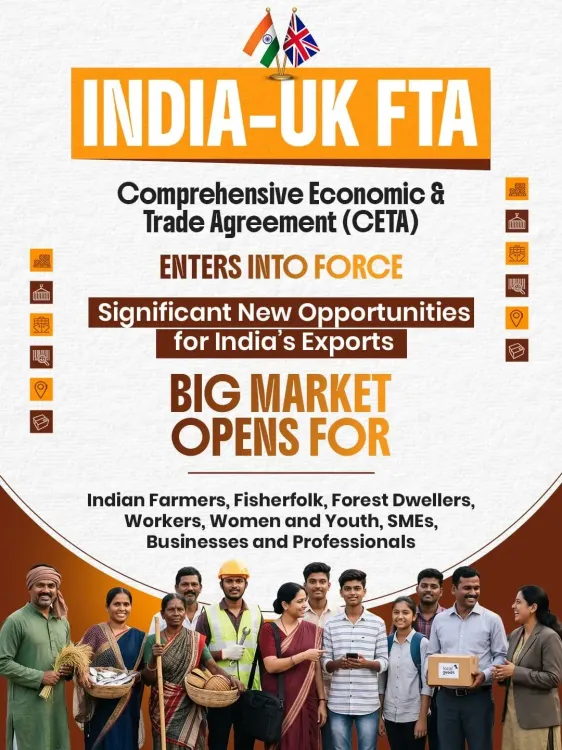
The agreement is framed as benefiting a wide cross-section: farmers, fishers, MSMEs, workers, women, youth, businesses and professionals .
India–UK trade negotiations were formally launched in January 2022 following the UK's exit from the European Union.
The deal fits India's broader strategy of selective bilateral liberalisation , following agreements with the UAE and Australia in 2022.
Key next steps include parliamentary ratification in both countries and release of final tariff schedules .
The government has specifically highlighted export growth, investment flows and job creation as primary outcomes of the agreement.
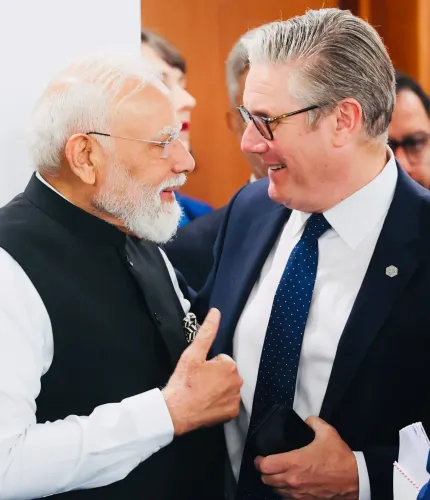
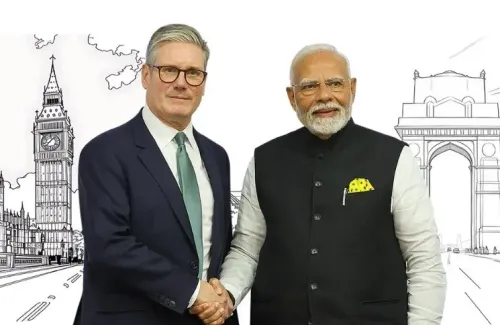
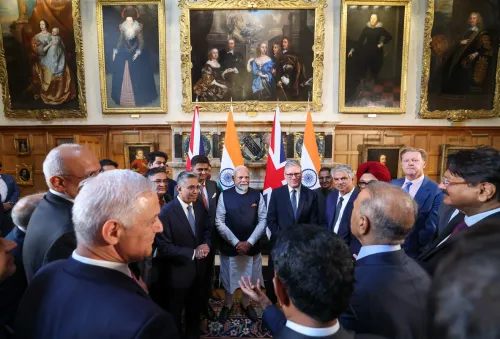
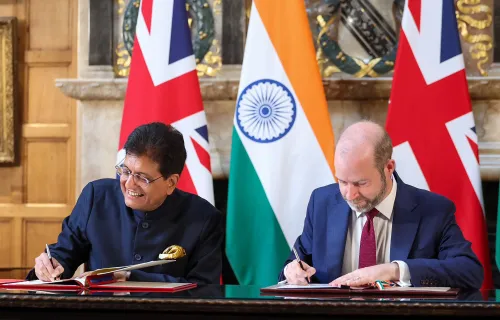
Union Consumer Affairs Minister Pralhad Joshi on Wednesday, July 15, 2026, welcomed the India–UK Comprehensive Economic and Trade Agreement (CETA), calling it a 'transformative step' in strengthening economic ties between the two nations and crediting the agreement to the vision of Prime Minister Narendra Modi.
Context
Joshi, who holds the portfolios of Consumer Affairs, Food and Public Distribution, and New and Renewable Energy, posted on X that the agreement 'opens significant new opportunities for India's farmers, fishers, MSMEs, workers, women, youth, businesses and professionals.' He added that the deal would give 'a major boost to exports, investment and job creation.'
The minister's remarks reflect the ruling dispensation's framing of the agreement as a broad-based economic compact rather than a narrow sectoral arrangement, with explicit mention of vulnerable and priority groups including women and youth.
Policy Backdrop
India and the United Kingdom formally launched free trade agreement negotiations in January 2022, shortly after the UK's withdrawal from the European Union created space for independent bilateral trade arrangements. The talks positioned the UK as a significant post-Brexit partner for India in goods, services, and investment.
The India–UK CETA follows a pattern of selective bilateral liberalisation that New Delhi has pursued in recent years, including agreements with the UAE and Australia in 2022, as well as ongoing negotiations with the European Union. The strategy aims to diversify India's export destinations and deepen integration into global supply chains while retaining policy space in sensitive sectors such as agriculture.
Stakeholders and Impact
The minister's post specifically highlighted farmers, fishers, and MSMEs as beneficiaries, signalling that the government intends the agreement to reach beyond large industry into rural and small-business economies. India's MSME sector, which employs hundreds of millions of workers, has historically sought better market access in developed economies for textiles, handicrafts, processed foods, and engineering goods.
Service professionals — including those in information technology, healthcare, and finance — are also named as stakeholders, reflecting the UK's importance as a destination for Indian skilled workers and the long-standing demand from the Indian side for easier mobility provisions. Women entrepreneurs and youth have been flagged as focus groups, consistent with the government's broader emphasis on inclusive economic growth under its development agenda.
What's Next
Attention will now turn to parliamentary ratification timelines in both countries and the publication of final tariff schedules, which will determine the actual depth of market access granted on either side. Analysts and industry bodies are expected to scrutinise provisions relating to labour standards, environmental commitments, and data governance, areas that have been points of contention in comparable agreements globally.
If ratified and implemented as described, the India–UK CETA could mark one of India's most significant bilateral trade milestones of the decade, reinforcing New Delhi's position as a proactive player in reshaping its trade architecture in the post-pandemic global order.
Point of View
Fishers, women and youth alongside businesses and professionals, the government is clearly positioning the India–UK CETA as an inclusive economic compact rather than an elite-driven trade arrangement. This mirrors the political messaging strategy seen around earlier bilateral agreements with the UAE and Australia, where the ruling party sought to pre-empt criticism that FTAs primarily serve large corporates. The explicit attribution to PM Modi's 'vision' also signals that the agreement will be a centrepiece of the BJP's economic governance narrative ahead of any electoral cycle. The real test, however, will lie in the fine print — tariff schedules, services mobility provisions, and safeguard clauses — details that will determine whether the promised benefits for MSMEs and agricultural communities materialise.
NationPress
15 Jul 2026
Frequently Asked Questions
What is the India-UK CETA?
The India–UK Comprehensive Economic and Trade Agreement (CETA) is a bilateral trade pact between India and the United Kingdom aimed at expanding market access, boosting exports, attracting investment, and facilitating services trade between the two countries. Negotiations were formally launched in January 2022 after the UK left the European Union.
Who will benefit from the India-UK trade deal?
According to Union Minister Pralhad Joshi, the agreement is designed to benefit a broad range of groups including farmers, fishers, MSMEs, workers, women, youth, businesses and professionals, with a particular focus on boosting exports and job creation.
When did India and UK start FTA negotiations?
India and the United Kingdom formally launched free trade agreement negotiations in January 2022, following the UK's departure from the European Union, which allowed it to negotiate independent bilateral trade deals.
How does the India-UK CETA fit into India's trade strategy?
The India–UK CETA is part of India's broader strategy of selective bilateral trade liberalisation. India has previously concluded agreements with the UAE and Australia in 2022 and is engaged in ongoing talks with the EU, aiming to diversify export markets and deepen global supply chain integration.
What happens next after the India-UK trade agreement announcement?
The next key steps include parliamentary ratification in both India and the United Kingdom, publication of final tariff schedules, and scrutiny of provisions covering labour standards, environmental commitments, and data governance rules.